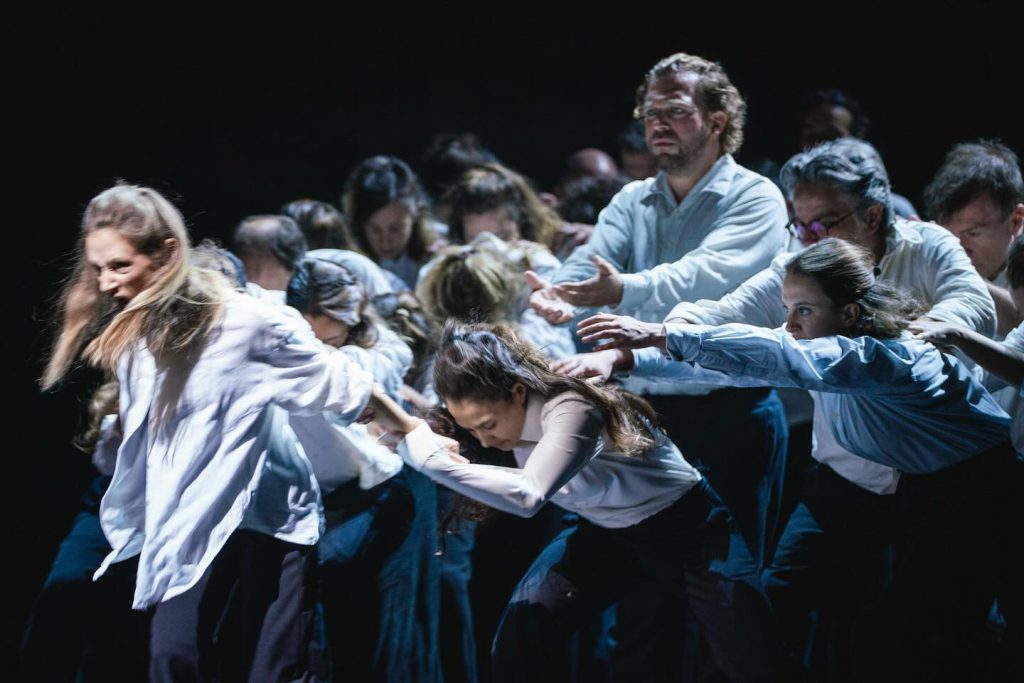
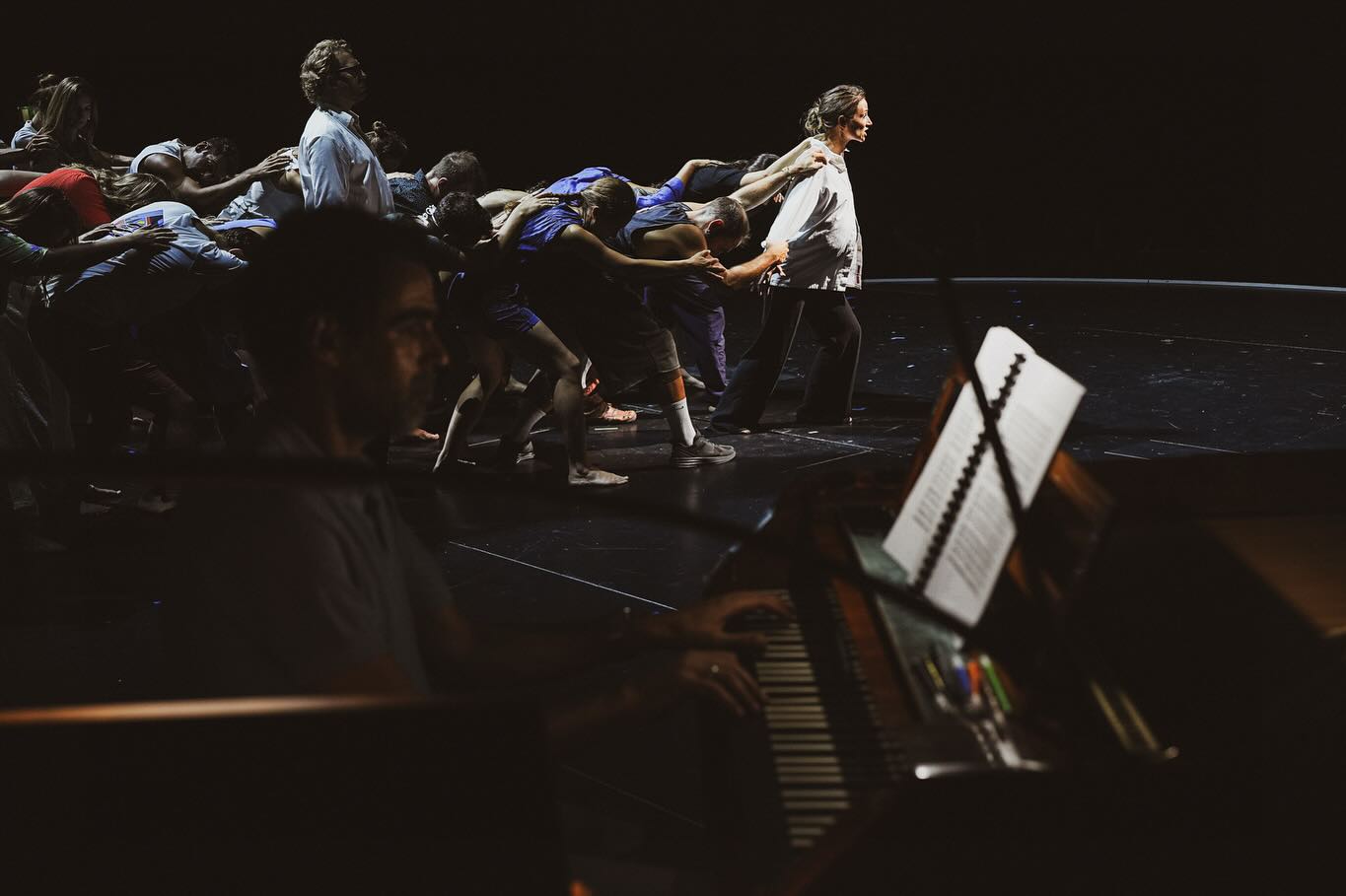
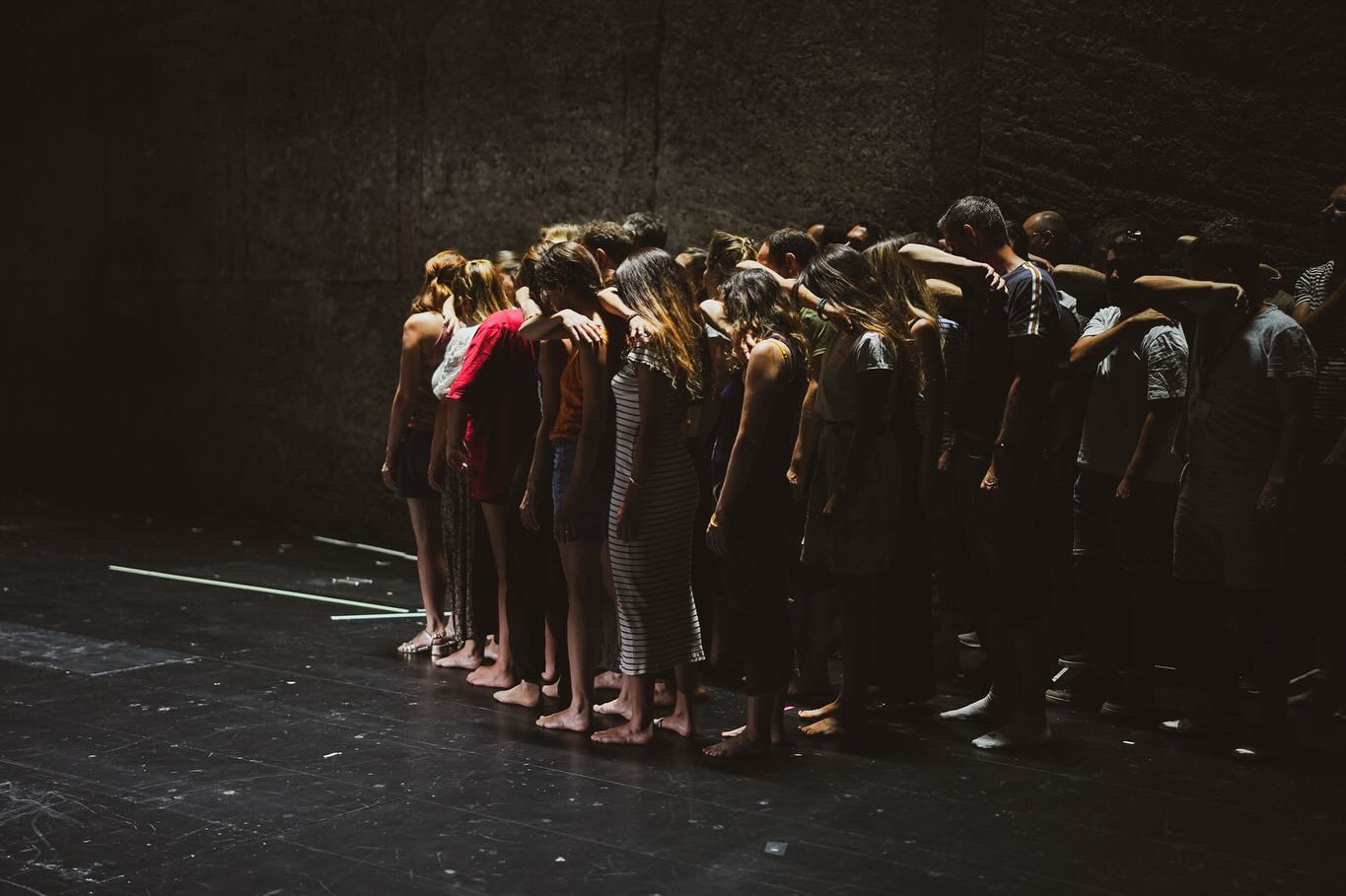
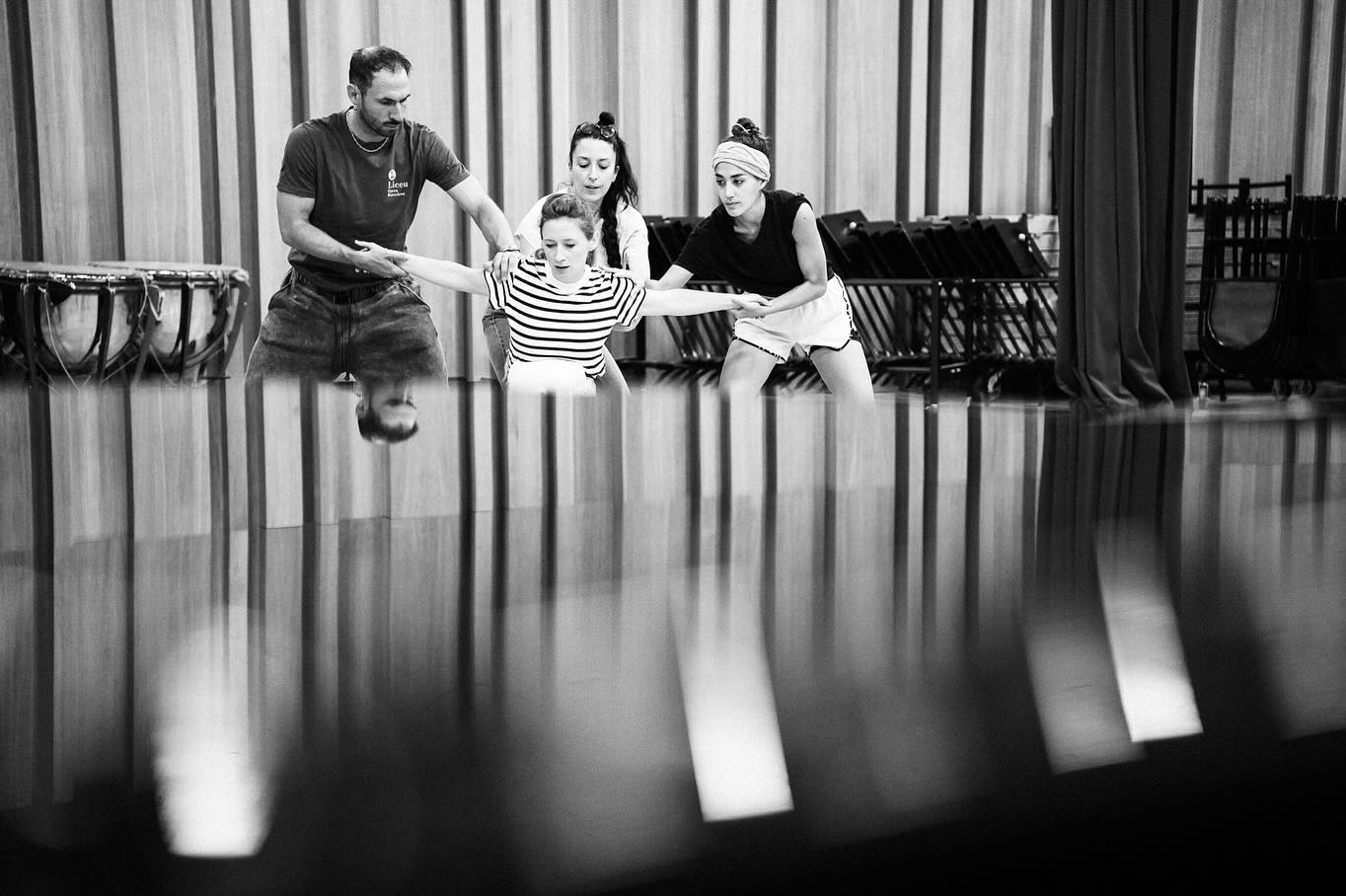
On the ruins of an old prison, Persada seeks the truth about her mother, “the woman who sings”, whose love once defied the tyrant Soliman. In this singspiel composed in 1780, the young Mozart voices his aspirations to freedom and justice, foreshadowing The Abduction from the Seraglio. Raphaël Pichon and Pygmalion bring Zaïde together with other rarely performed works in a humanist fresco created in Salzburg in 2025.
A young woman returns to the ruins of a former prison. Her name is Persada and she is searching for the truth about the story of her mother, Zaïde, who was once known as “the woman who sings”. From the silences of the keeper of the place, a former executioner, the story of Zaïde and Gomatz emerges, their love standing as a final cry against the tyrant Soliman…
On his return from Paris in 1780, the young Mozart resumes his post in the service of the prince-archbishop in Salzburg, but now dreams of being invited to Vienna by the emperor. He thus sets about writing a singspiel (the German form of comic opera) to express his aspirations for liberty, justice and love. Situations and characters foreshadow the humanist message of The Abduction from the Seraglio.
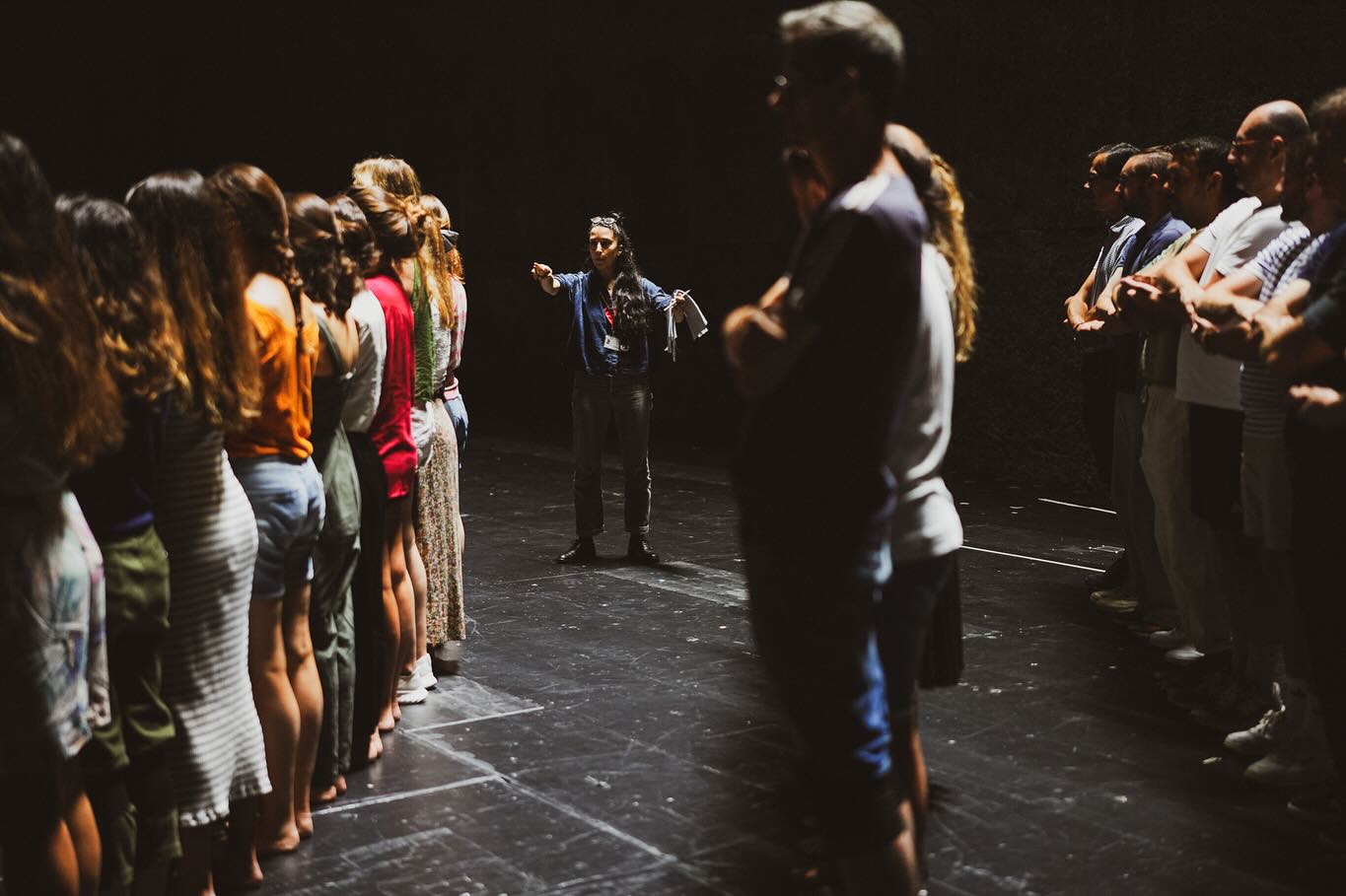
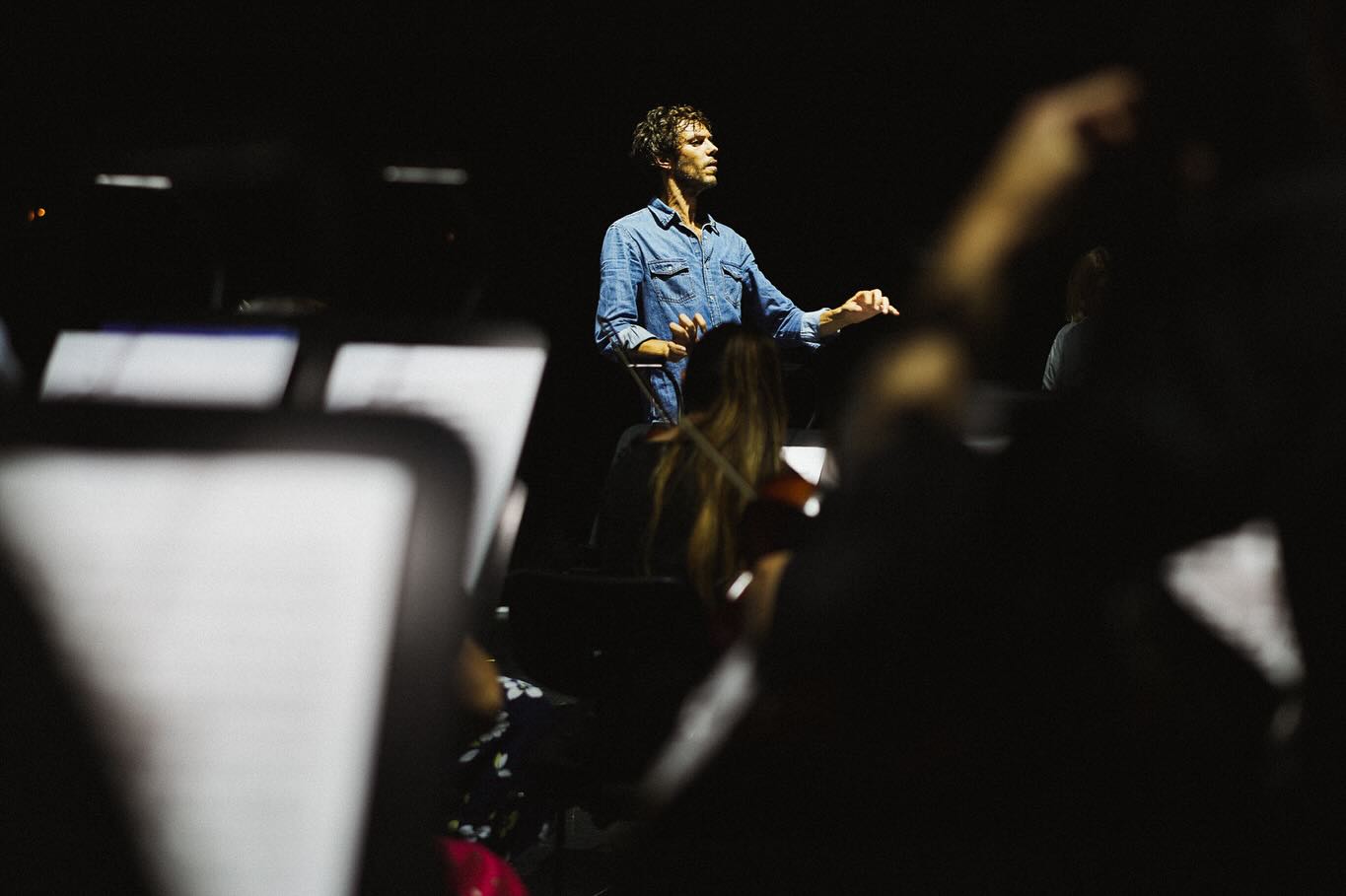
For the 2025 edition of the Salzburg Festival, Raphaël Pichon and Pygmalion paired Zaïde with other works as brilliant as they are seldom performed, to create a humanist tableau. The Opéra-Comique presents this production in new dimensions for three exceptional performances at dusk, in the Hall Eiffel of the Lycée Carnot, in Paris’ 17th arrondissement.
Excerpts from Zaide, Davidde penitente, Thamos, König in Ägypten, and other works.
Created at the Salzburg Festival on 17 August 2025.
Programme
Wolfgang Amadeus Mozart
Adagio in C major, K. 356
« Ah, lo previdi » – « Ah, t’invola », K. 272
Excerpts from Davidde penitente, K. 469
Excerpts from Zaïde, K. 344 :
Chorus « Brüder, lasst uns lustig sein »
Aria « Der stolze Löw’ »
« Ruhe sanft »
Duet « Meine Seele hüpft vor Freuden »
Aria « Ihr Mächtigen seht ungerührt »
Trio « O, selige Wonne »
Aria « Tiger! Wetze nur die Klauen »
Quartet « Freundin, stille deine Tränen »
Aria « Trostlos schluchzet Philomele »
Einsam bin ich, meine Liebe, K. Anh. 26
« Misero ! O sogno – Aura, che intorno spiri », K. 431
Excerpts from Davidde penitente, K. 469
Adagio in C major, K. 356