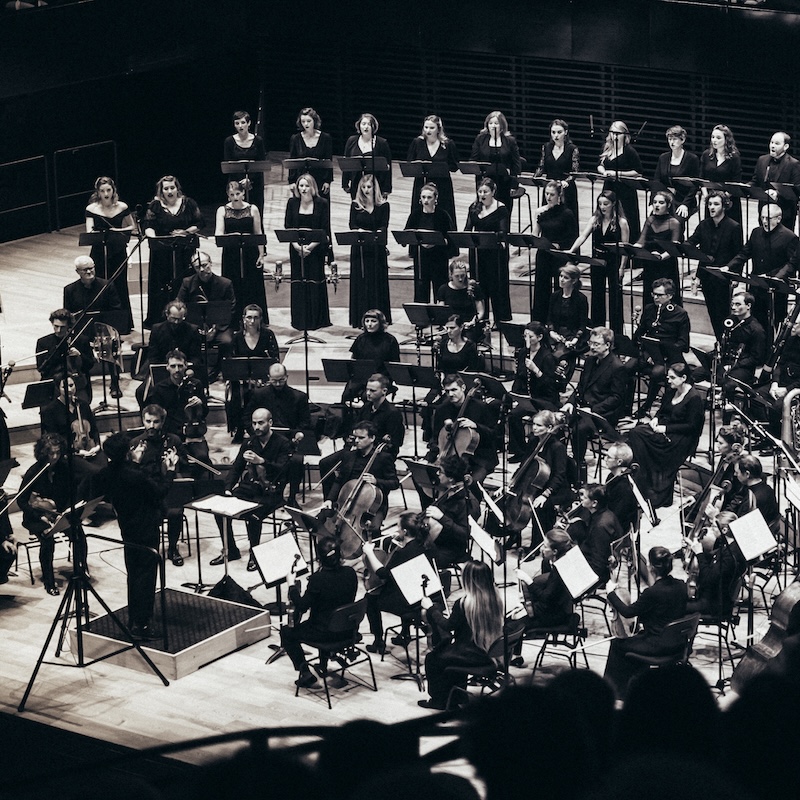
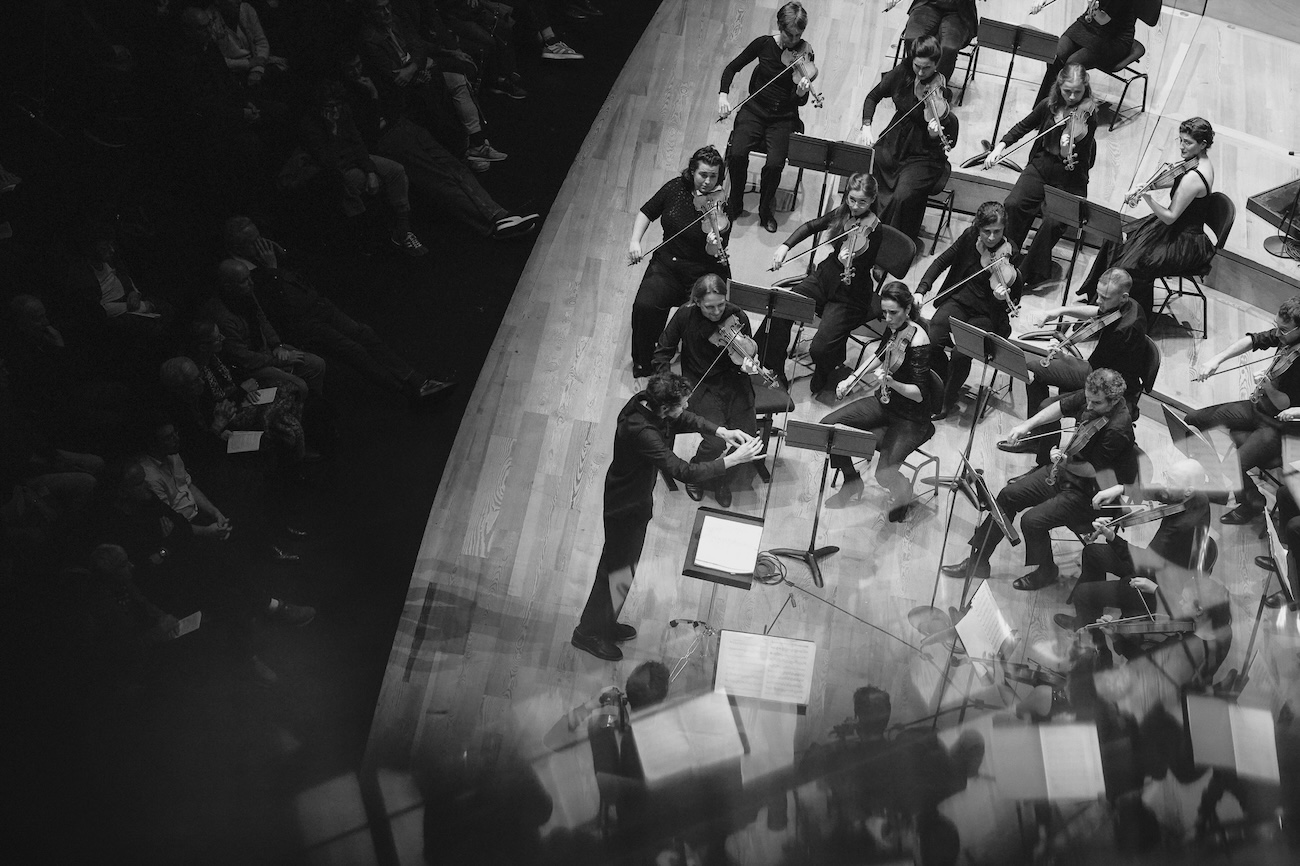
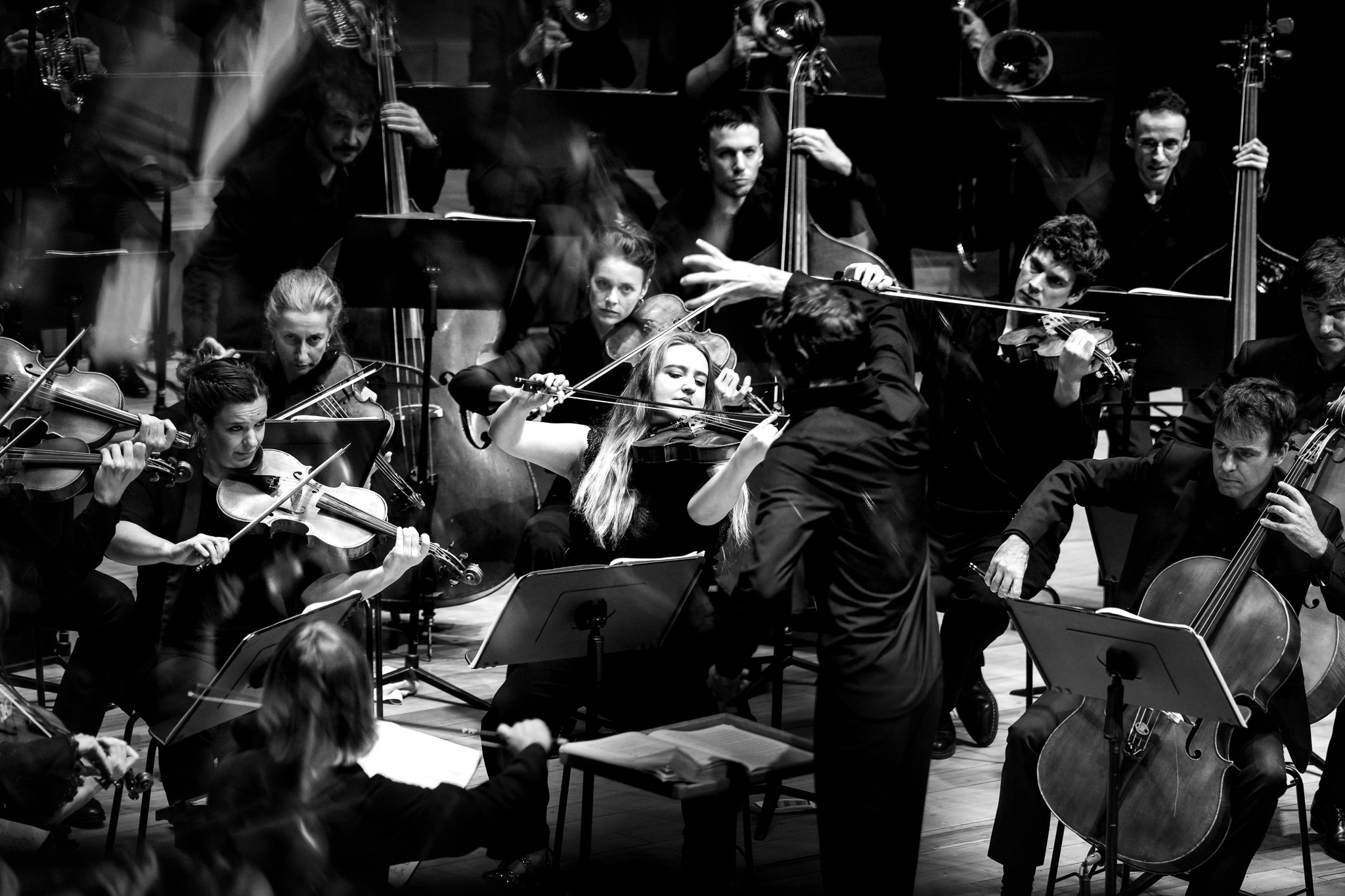
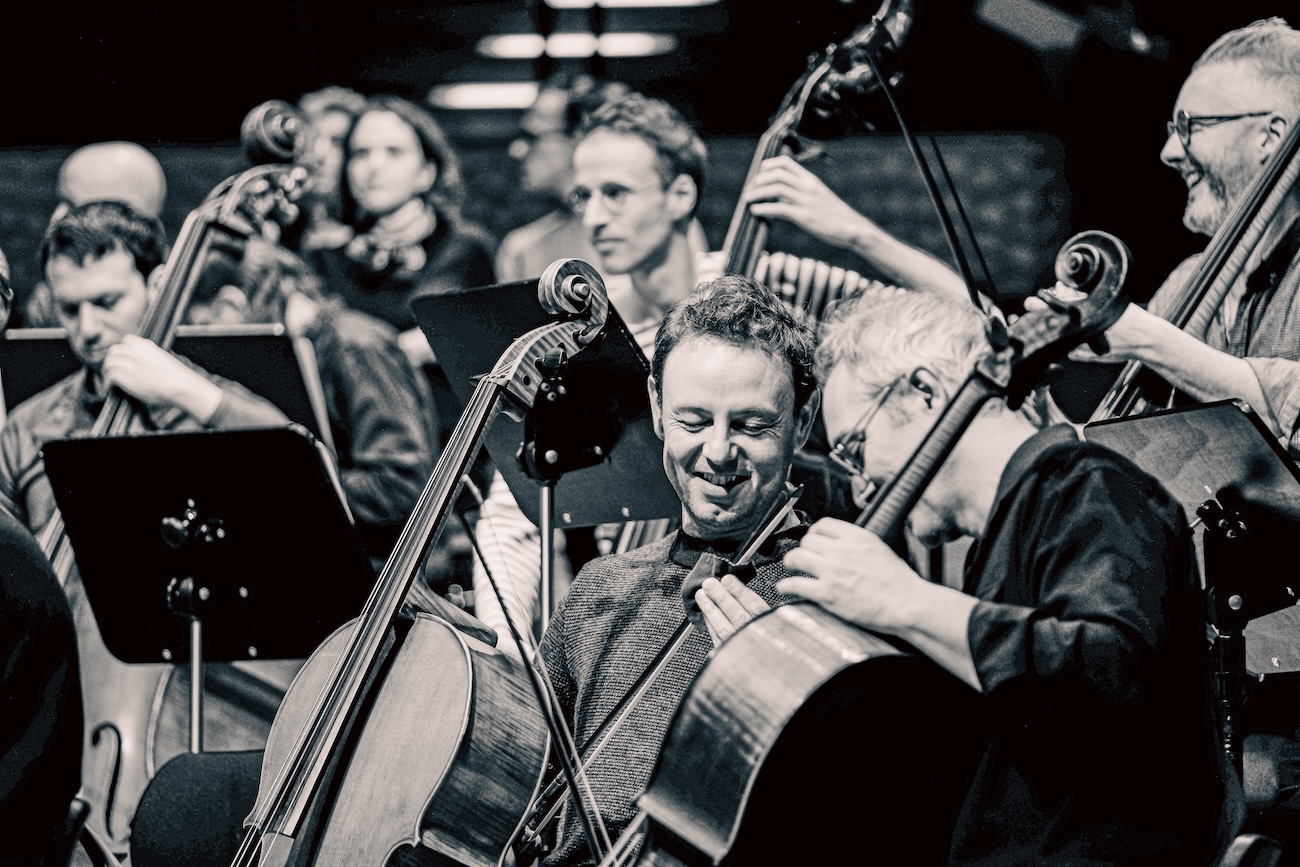
“The Ninth is a work that everyone thinks they know. That is precisely what makes it so fascinating. Perhaps the question today is not how to perform it, but how to listen to it. What remains of the power of this music two hundred years after its premiere? And how can we recover, behind the monument it has become, the experience of listening that it must have represented for its first audiences?” (Raphaël Pichon)
In 2027, two anniversaries resonate in striking fashion: the bicentenary of Beethoven’s death and the seventieth anniversary of the Treaty of Rome, one of the founding texts of modern European integration.
For nearly two centuries, the Ninth Symphony has occupied a unique place in our collective imagination. Monumental, symbolic, celebrated, quoted, appropriated and endlessly commented upon, it has accompanied many of the defining moments of European history. Its finale has become the official anthem of the European Union; its message of fraternity has long since transcended the concert hall.
For that very reason, it deserves to be reconsidered today. What remains of the power of this artistic gesture? What remains of the utopian vision, of the collective aspiration embodied in the Ode to Joy? And above all: are we still capable of truly listening to it? Familiarity can become an obstacle. The distance created by the language, the work’s iconic status and the feeling that we already know it can all obscure what it still has to say. Yet the Ninth is not a comfortable work. It does not tell the story of a victory already won; it tells the story of a conquest.
Around the great works of the repertoire, Pygmalion seeks to develop the idea of the “prologue”: choosing companion works that create the conditions for renewed listening, open up new perspectives and offer different paths into a masterpiece. Each concert in this Beethoven 9 cycle will provide a new way of rediscovering this score and of recapturing something of the sense of wonder it inspired at its premiere.
Programme Philharmonie de Paris
Arthur Honegger, Symphony n° 3 « Liturgique » ; Dies irae
Ludwig van Beethoven, Three Equals for four trombones, WoO 30 ; n° 2 Poco Adagio
Igor Stravinski, Chant funèbre
Charles Ives, The Unanswered Question
Arnold Schönberg, Friede auf Erden
Ludwig van Beethoven, Symphony No. 9 in D minor, Op. 125, ‘Ode to Joy’