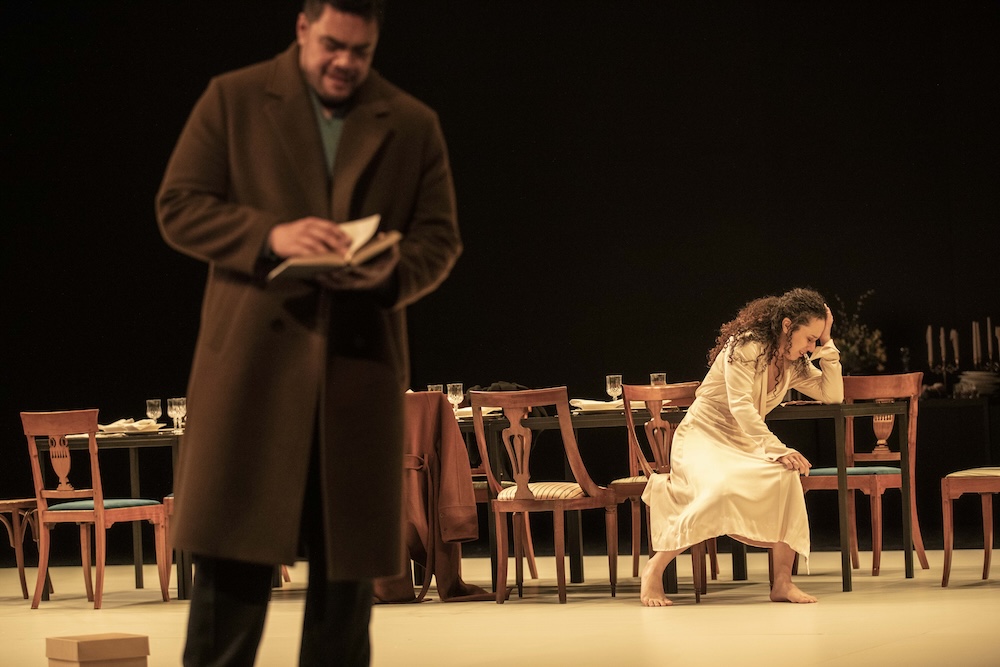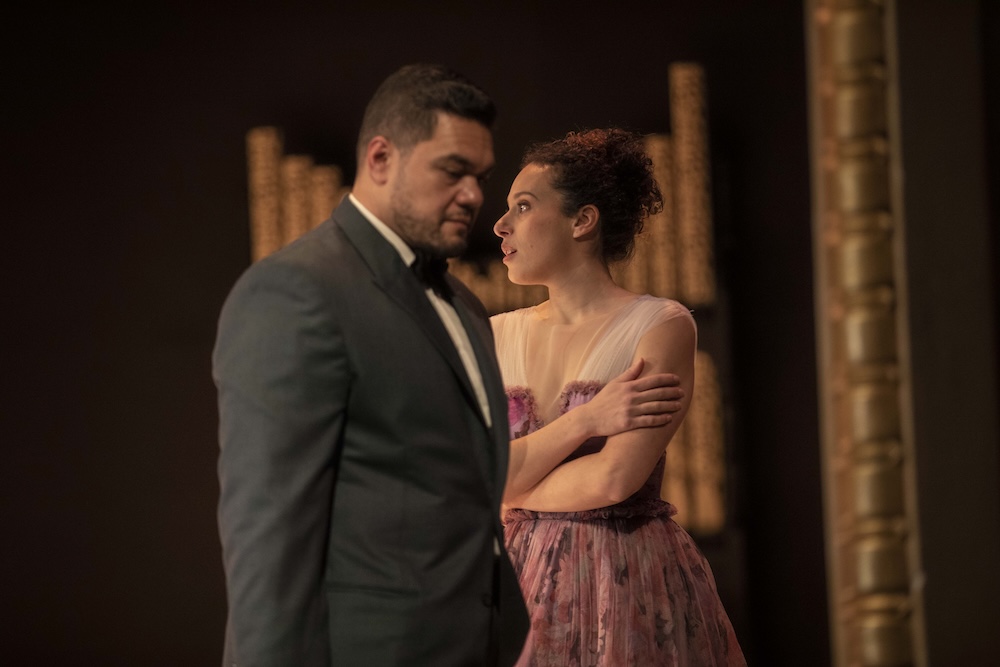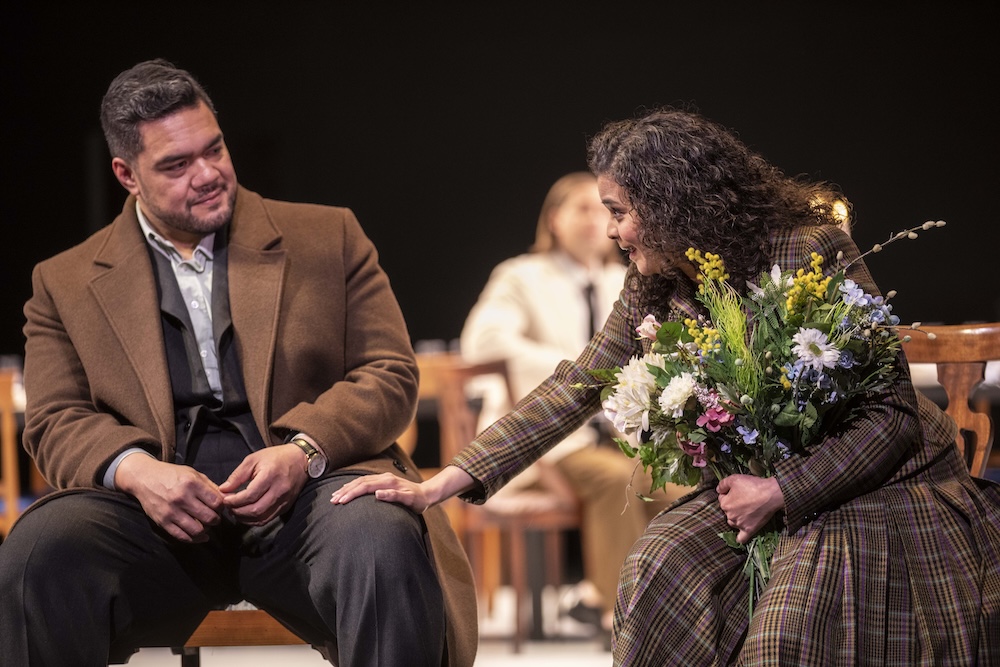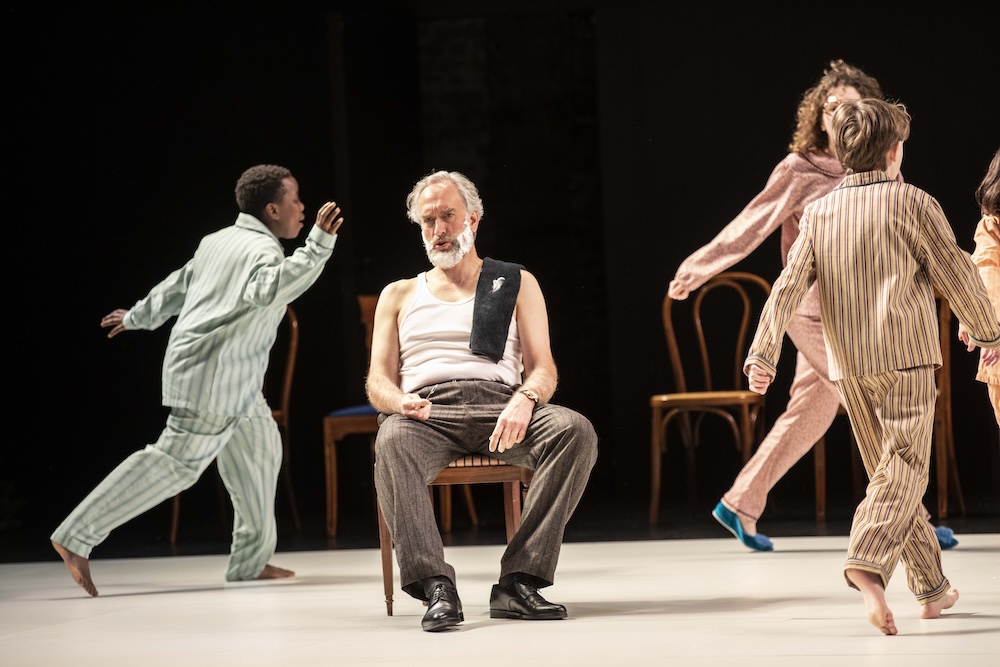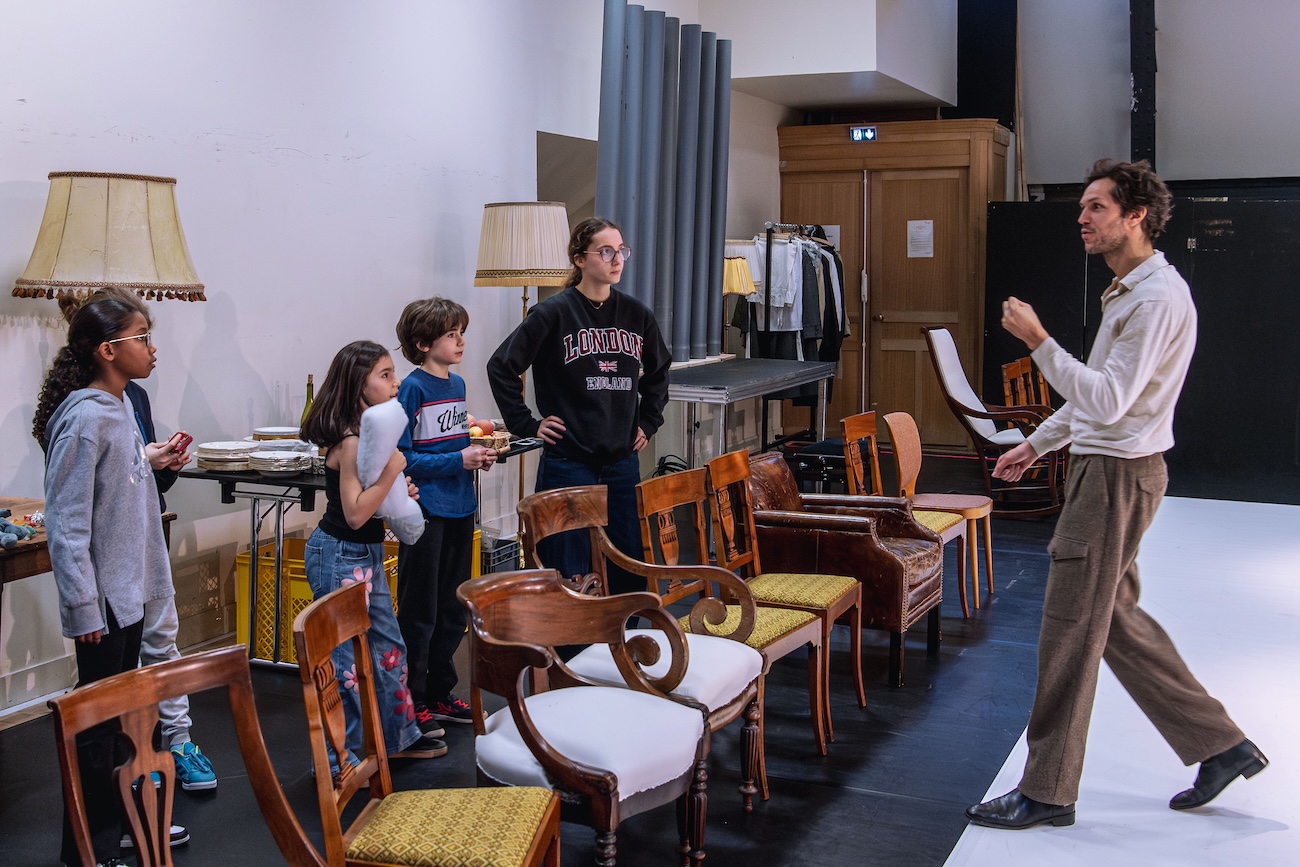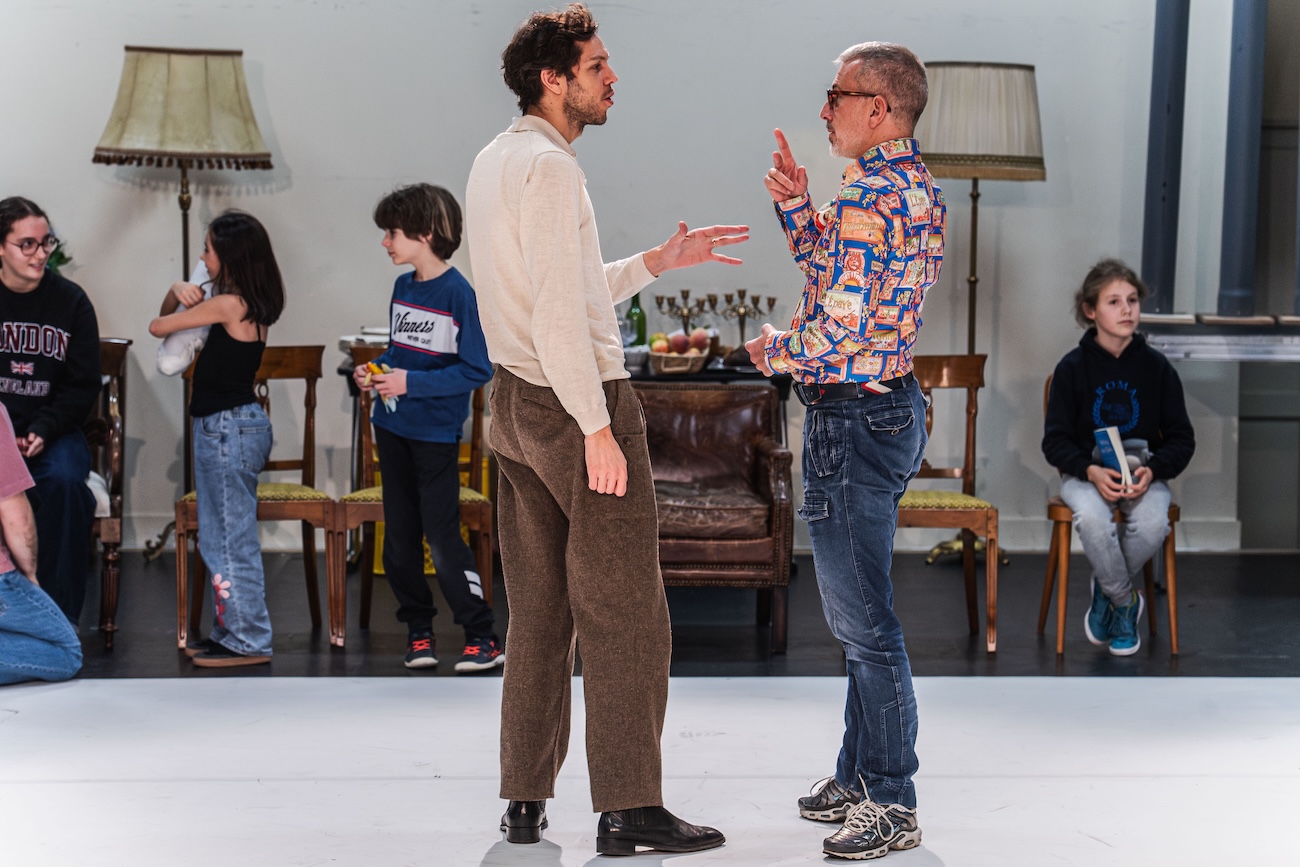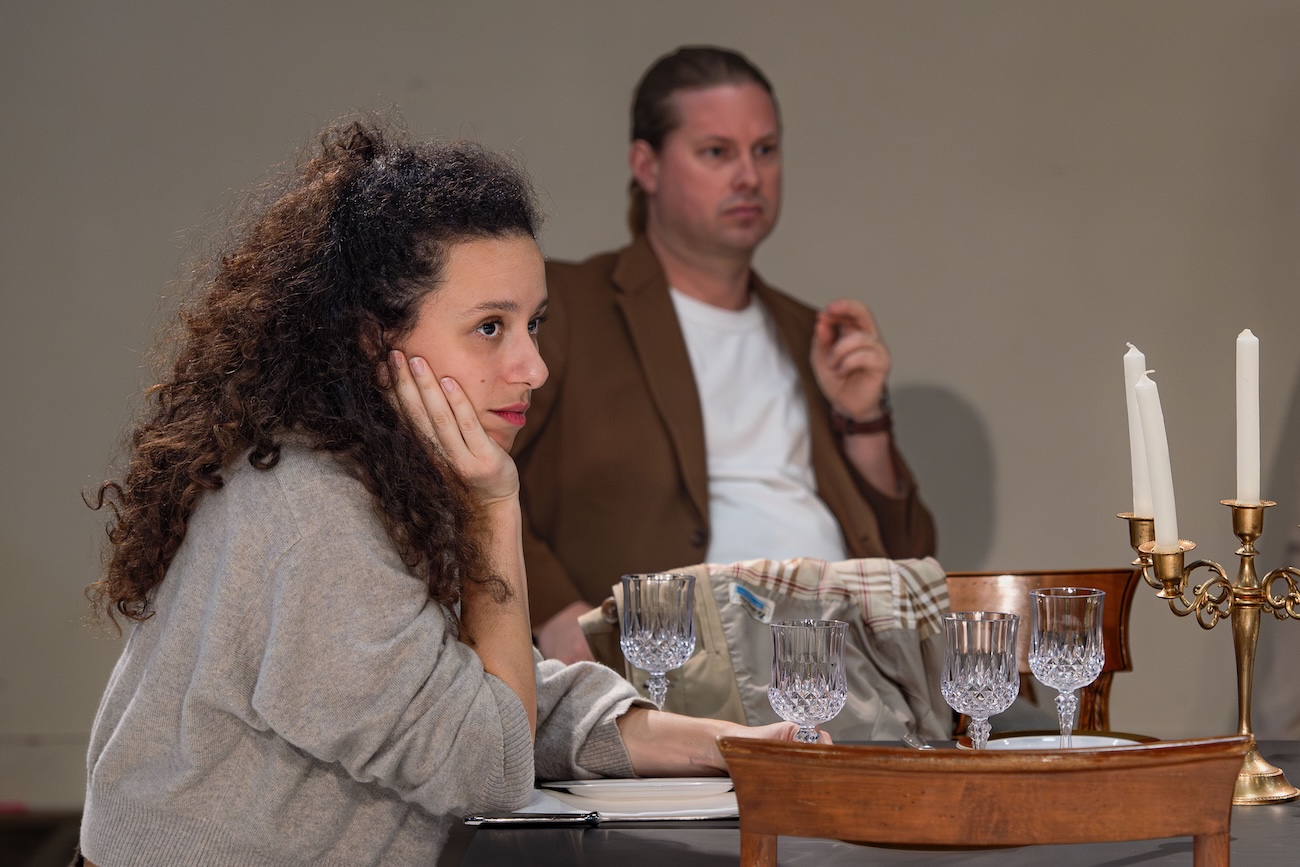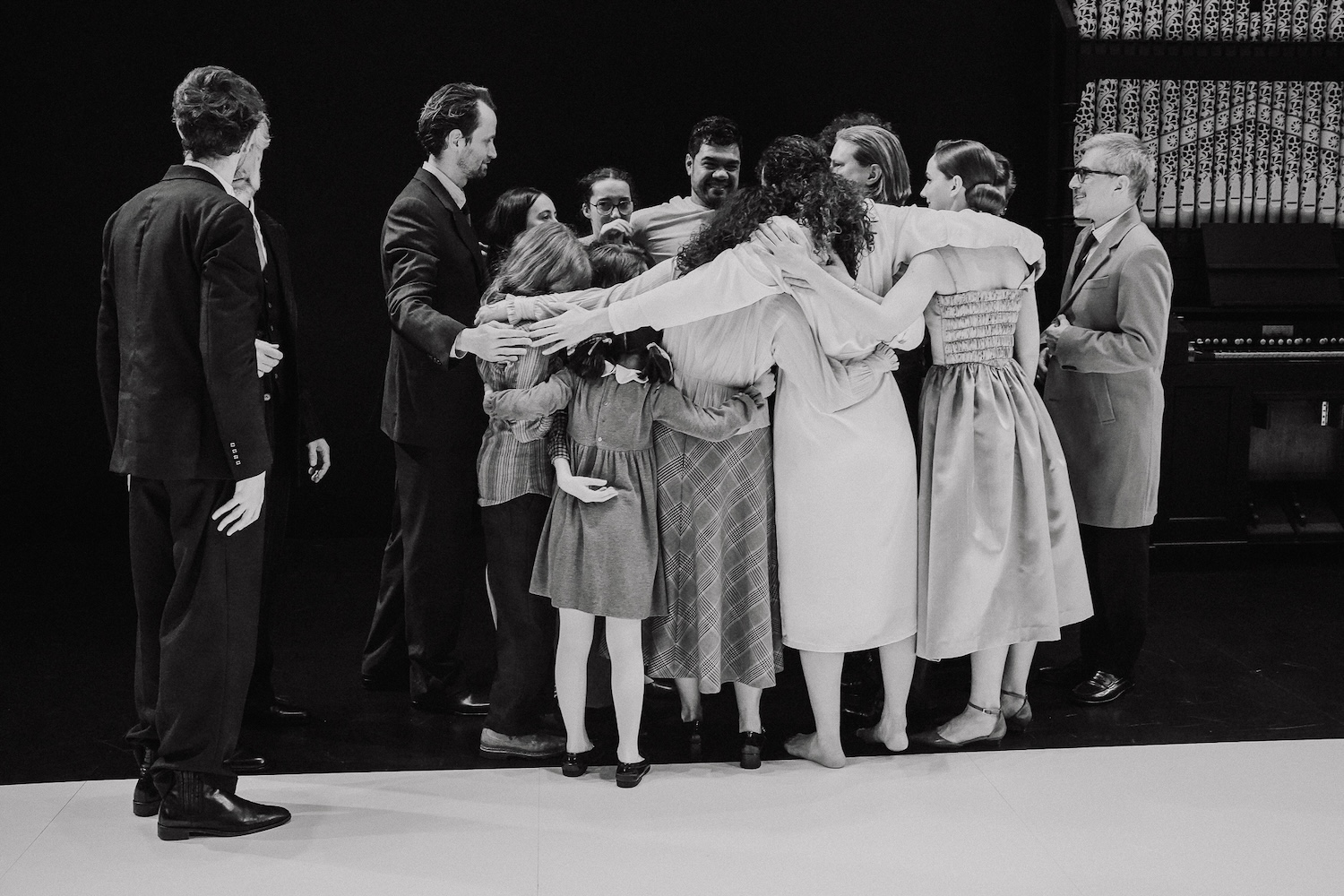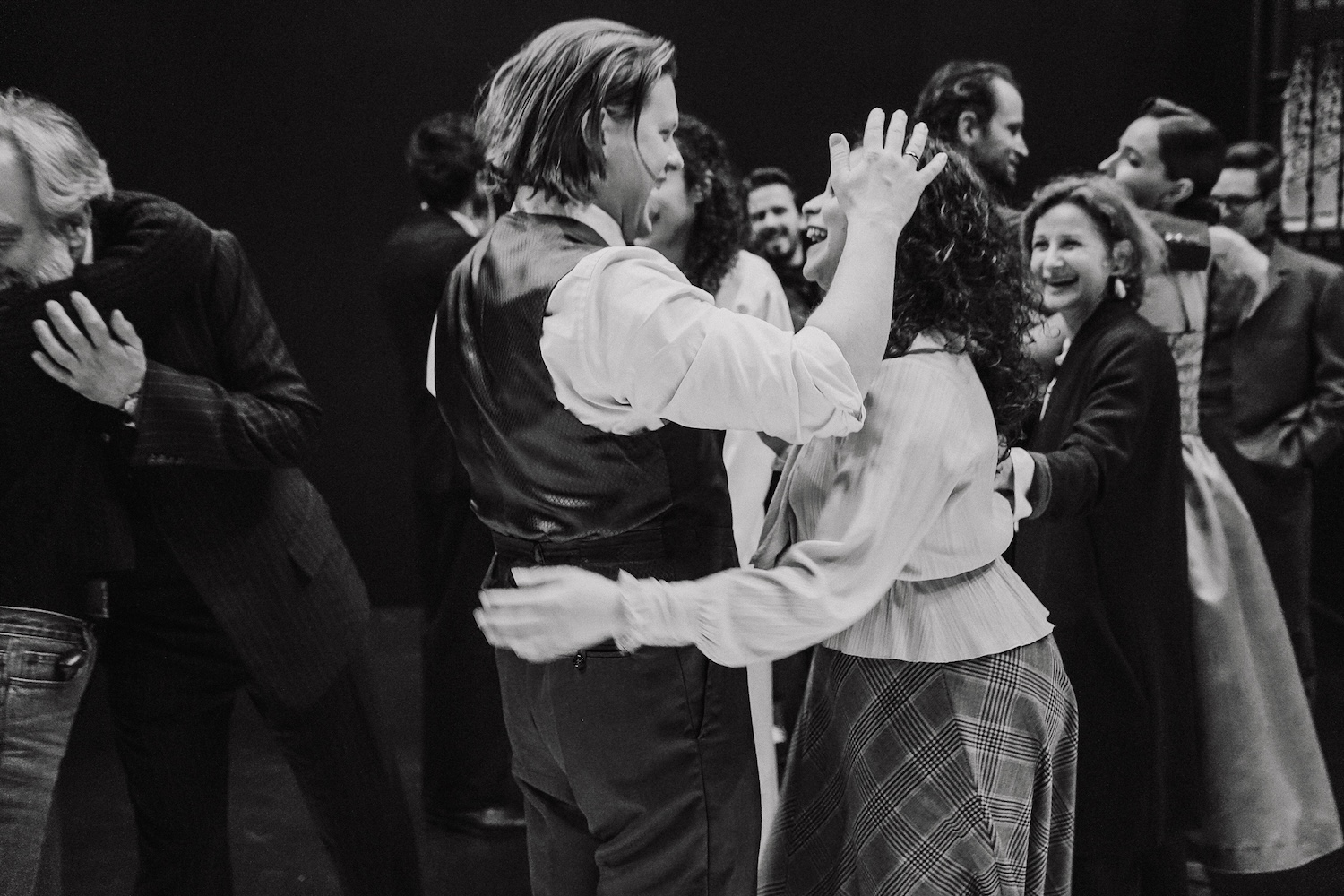
New production directed by Ted Huffman
Replay available on Arte Concert until 22 July 2027 !
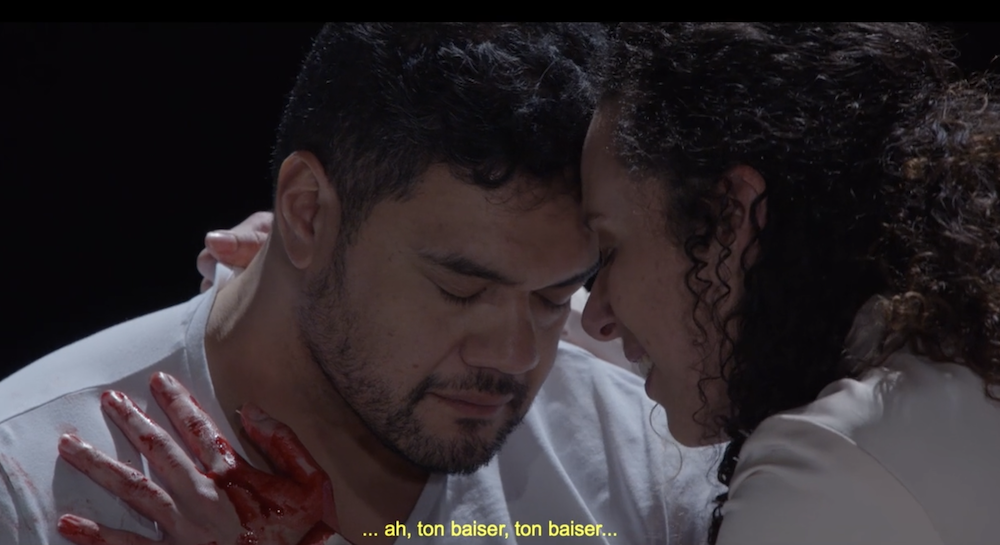
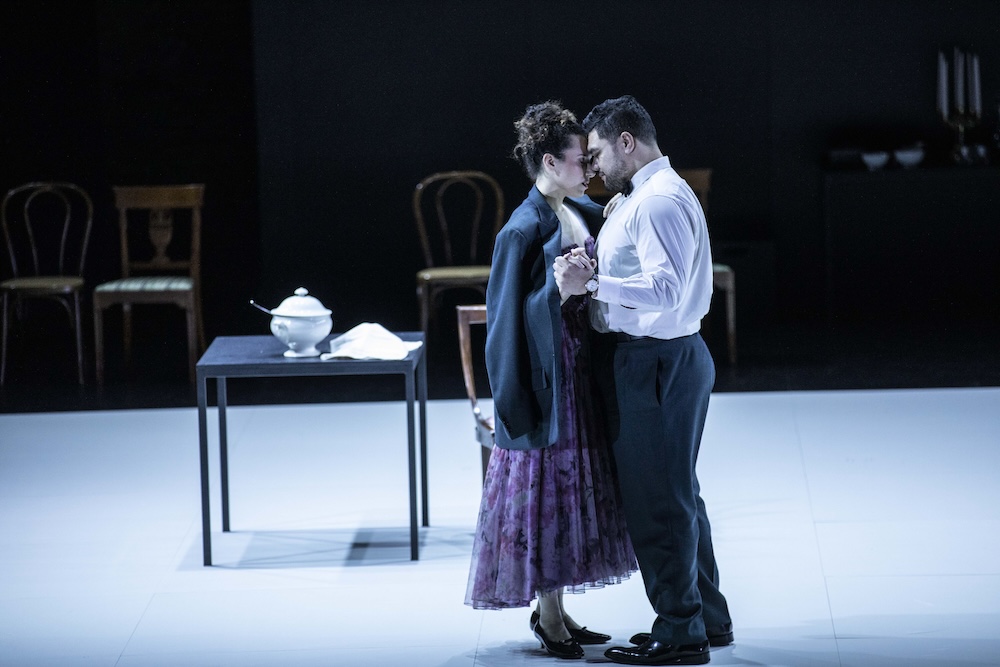
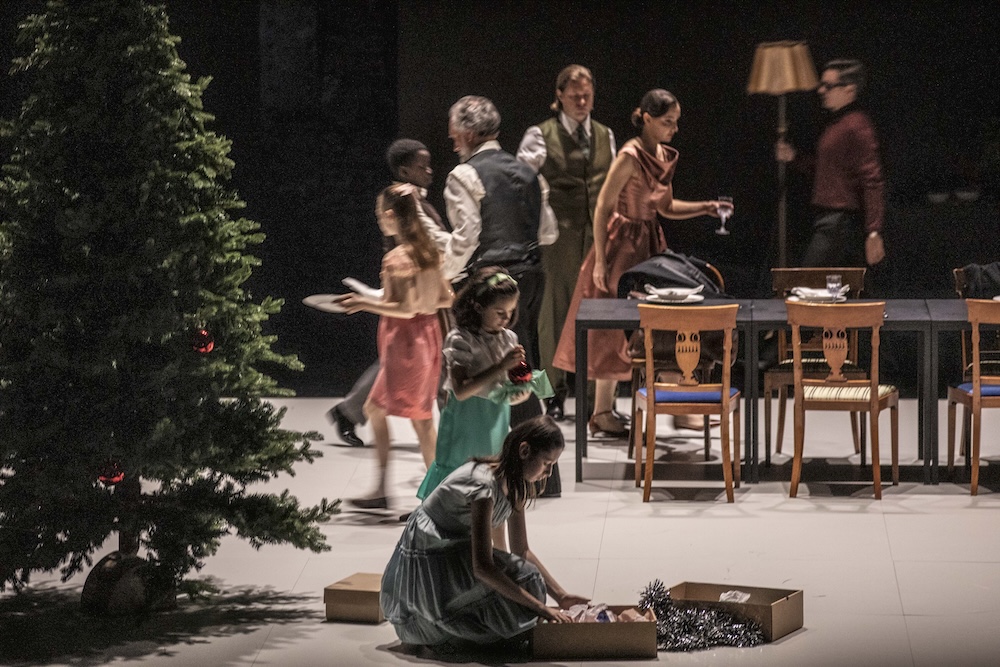
Werther is an idealistic, sensitive and exalted young artist. As soon as he arrives in Wetzlar, where he plans to settle, he is dazzled by a scene of family happiness, with Charlotte at its center. Their love of poetry immediately brought them together. But Charlotte has made a promise to her dying mother to marry Albert…
Massenet is the composer who did most to make the Opéra-Comique a major house of creation. Paradoxically, his adaptation of Goethe’s first novel was rejected by the director of the time, who preferred to offer his bourgeois audience happy love stories. The Viennese triumph of Werther soon opened the doors of our institution, where it has become one of the most frequently performed titles.
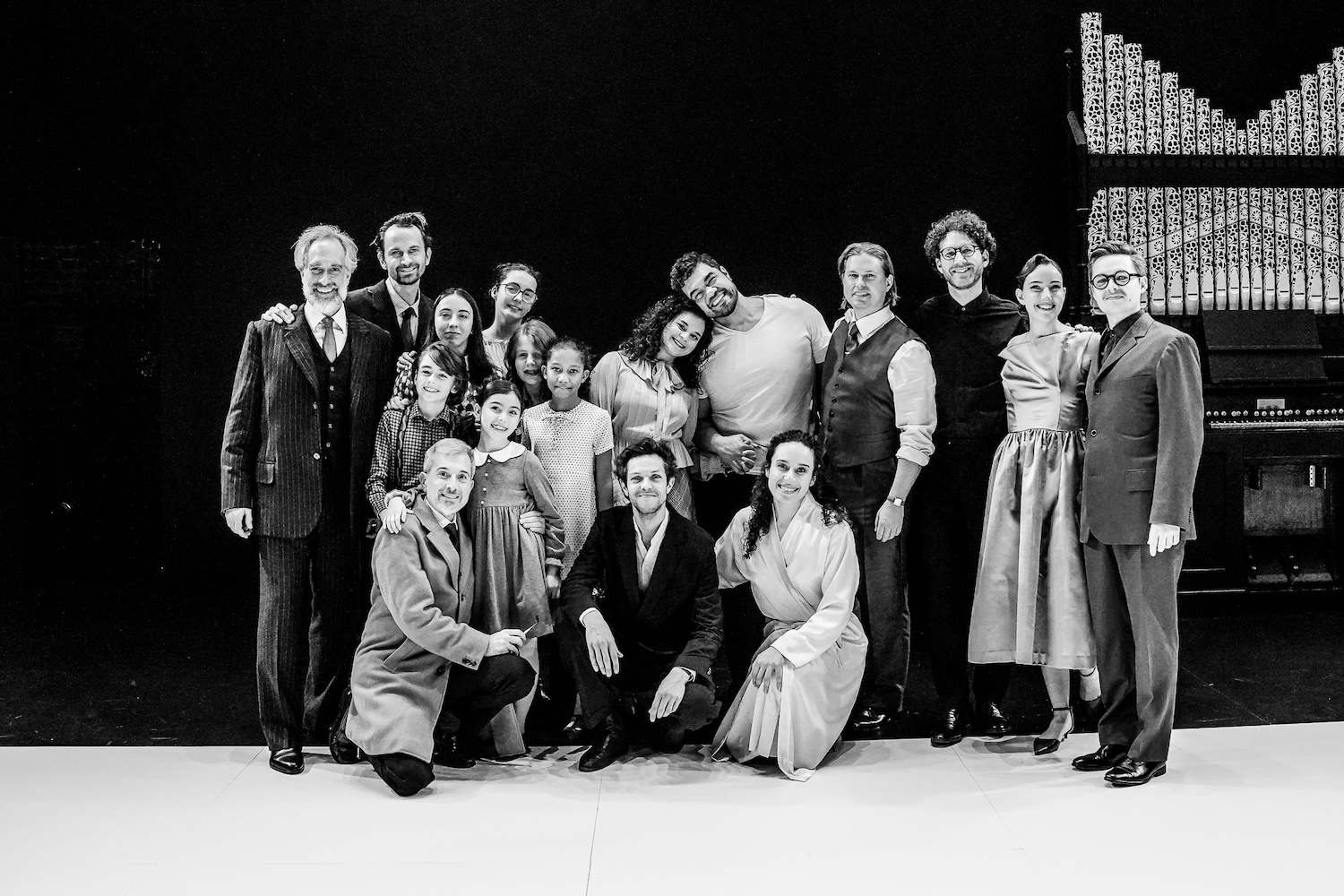
After his Lakmé in 2022, Raphaël Pichon continues his exploration of 19th-century lyrical drama. Ted Huffman reveals Massenet’s incomparable sense of theater in a staging that is as close to the emotions as possible, where Pene Pati, Adèle Charvet and Julie Roset are sure to move us.
Lyric drama in four acts and five tableaux, with libretto by Édouard Blau, Paul Milliet and Georges Hartmann, inspired by Goethe’s epistolary novel The Sufferings of Young Werther.
Premiered in Vienna on February 16, 1892 in a German translation by Max Kalbeck, and performed at the Opéra-Comique on January 16, 1893.
Dates
press review
“Pygmalion, stunningly beautiful, dazzlingly colourful, breathtakingly present, impressively accurate, powerful as Vulcan’s forge, fanning the flames of drama (from the very first bars), singing like Apollo’s lyre to celebrate love. And then there is Raphaël Pichon, always alert, always active, always exploring contrasts, refining the expressive line, rejecting pathos but never emotion and nobility. This reminds us that in opera, the orchestra is not an accompanist, but a driving force.” (Philippe Venturini, 2026)
‘Raphael Pichon draws a fascinating palette of golden shades from Pygmalion’s period instruments.’ (Christian Merlin, 2026)
‘Werther in a minimalist version, designed to move the audience even more, magnified by the ardent melancholy of Pene Pati at the height of his art.’ (Julien San Frax, 2026)