Programme
Adam Drese, « Nun ist alles überwunden », aria
Dietrich Buxtehude, « Jesu, meines Lebens Leben », cantata BuxWV 62
Johann Michael Bach, « Auf, lasst uns den Herren loben », cantata : Sinfonia
Philipp Heinrich Erlebach, « Himmel, du weißt meine Plagen », aria
Philipp Heinrich Erlebach, « Meine Seufzer, meine Klagen », aria
Melchior Franck, « Ich bin so müd vom Seufzen », Psalm 6 « Ach Herr, straf mich nicht in deinem Zorn »
Johann Christoph Bach, « Ach, dass ich Wassers gnug hätte », lamento
Johann Christoph Bach, « Fürchte dich nicht », motet
Nicolaus Bruhns, « De Profundis clamavi », sacred concerto
Hans Leo Hassler, « Ach weh des Leiden »
Heinrich Schütz, « Erbarm dich mein, o Herre Gott », sacred concerto SWV 447 : Sinfonia
Philipp Heinrich Erlebach, « Wer sich dem Himmel übergeben », aria
Johann Christoph Bach, « Herr, wende dich und sei mir gnädig », cantata
Johann Michael Bach, Ach wie sehnlich wart ich der Zeit – Sinfonia
Johann Christoph Bach, Es ist nun aus mit meinem Leben, motet
Johann Sebastian Bach, « Nach dir, Herr, verlanget mich », BWV 150
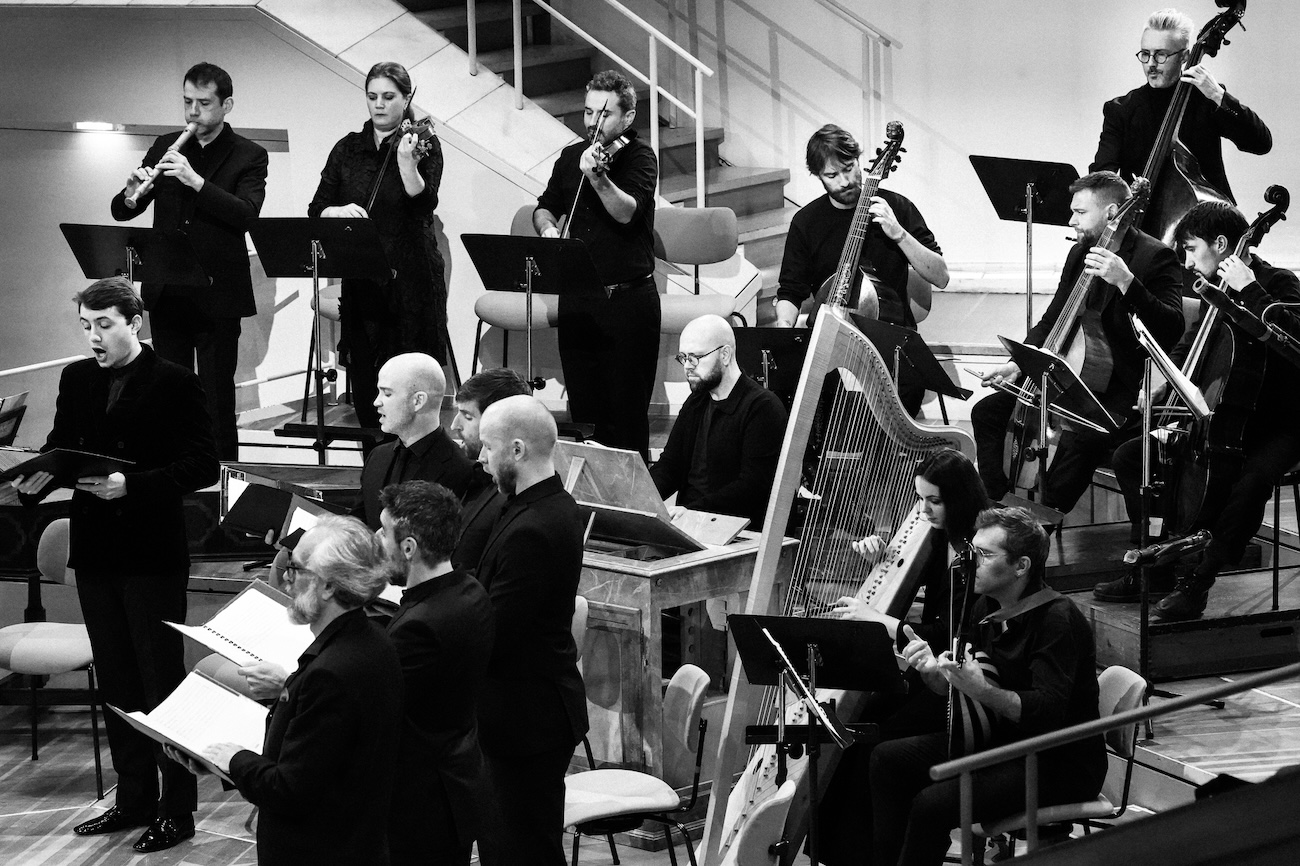
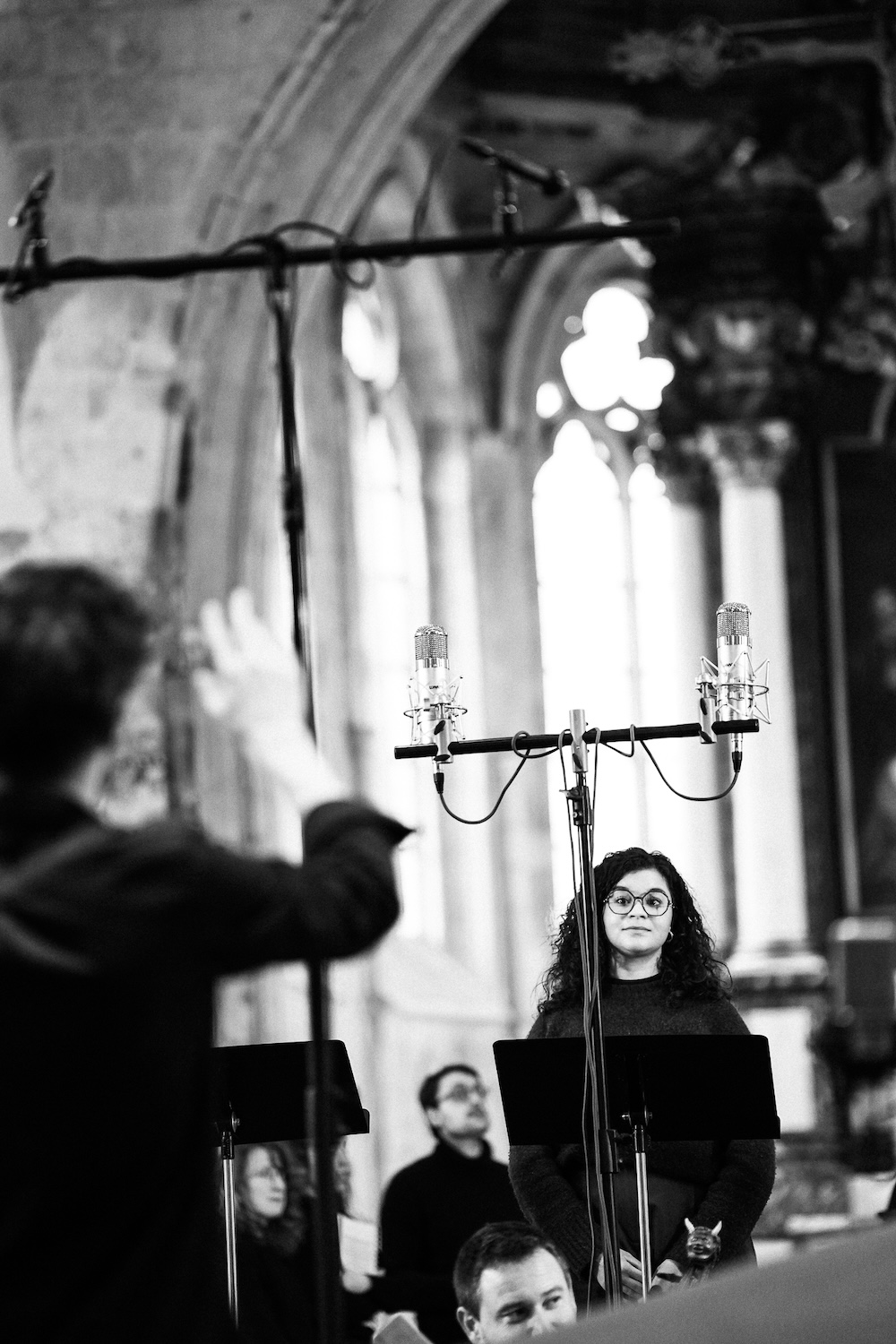
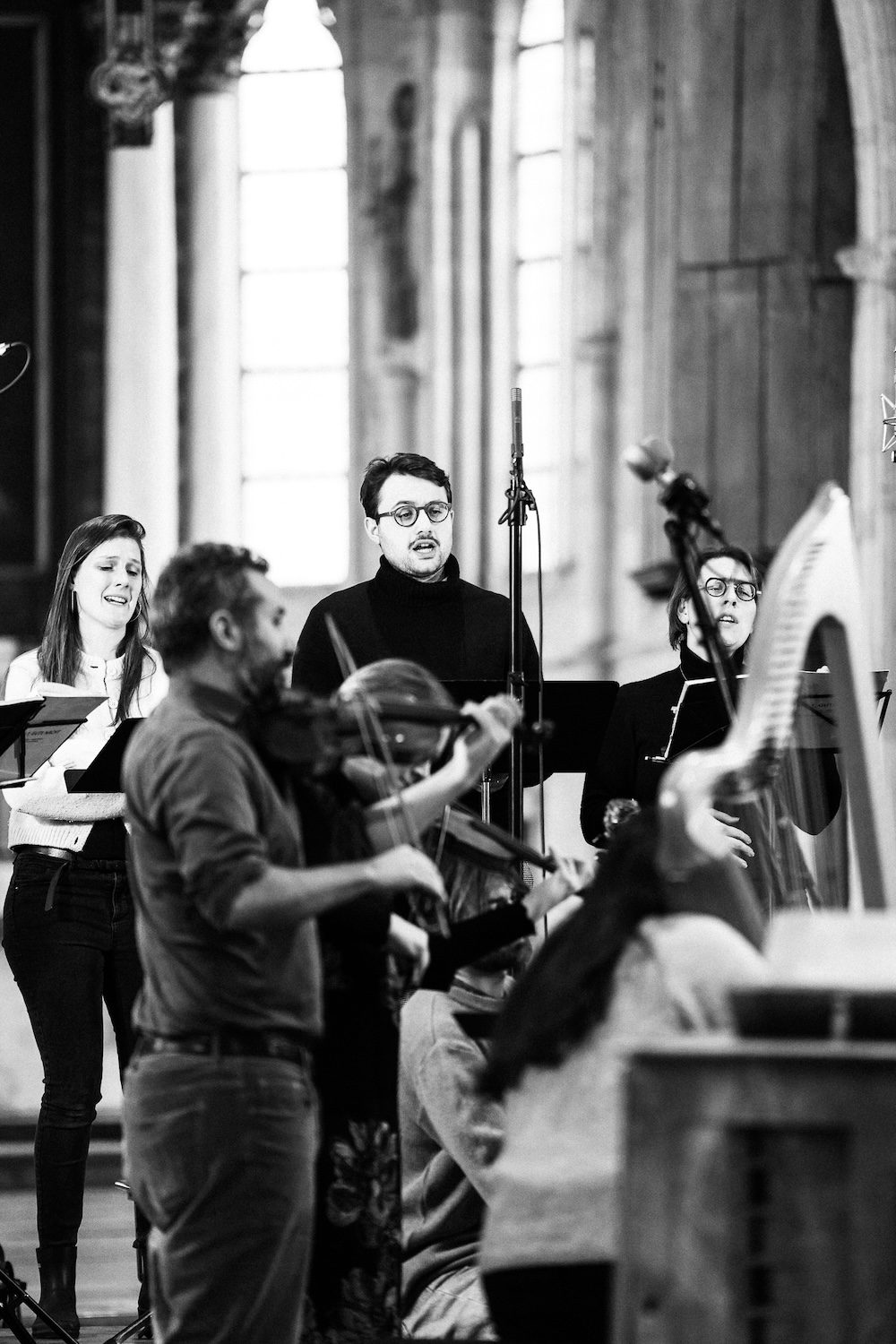
On tour and recording
The Thirty Years’ War ravaged Germany in the early 17th century. The population, traumatised by the violence of the conflict, needed consolation and hope. The Protestant faith emerged as a bulwark against the death that lurked in everyday life.
These political, economic and spiritual upheavals were reflected in the music of the time. The great polyphonies of the previous century gave way to much more intimate forms, inspired by the Pietist movement, which encouraged individual faith and pious living. Trostlieder (songs of consolation) began to appear, and music became the language of the soul, capable of soothing the deepest afflictions. The texts and melodies were designed to stir the emotions and edify Christians.
These short pieces, which move us with their humility, are imbued with a rare emotional intensity. And yet, despite their themes of mourning, sorrow and tears, they radiate a luminous clarity and serene confidence in the future. Death is but the threshold of deliverance and eternal bliss. The young J.S. Bach was strongly influenced by these miniatures, as can be seen in the early cantatas that have come down to us.
Album to be released by harmonia mundi in 2027.
Dates