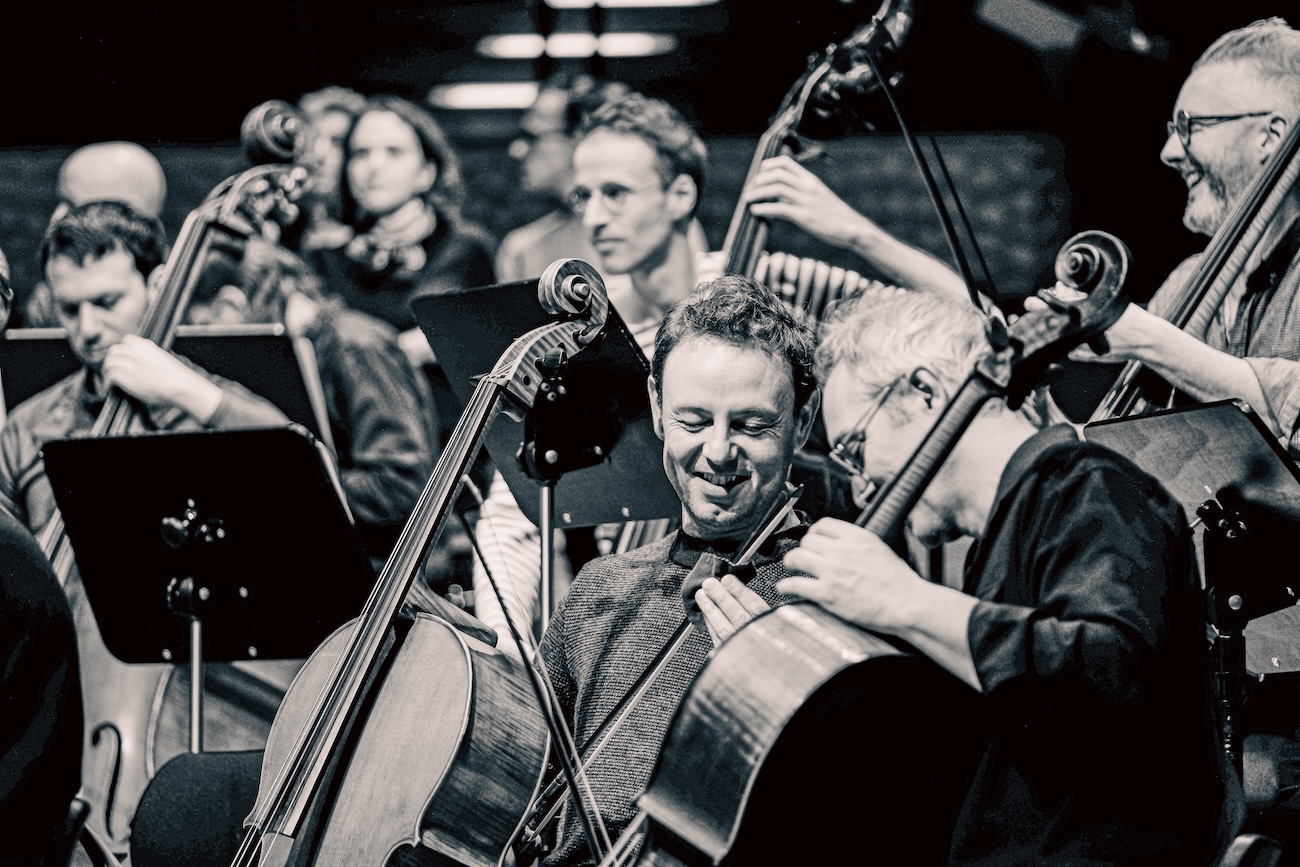
Pygmalion carries on its journey through romantic Germany with Stéphane Degout, who’s already been part of a Schubertian dream and A German Requiem. Beyond Brahms’ masterpiece, they share works haunted by the shadow of death.
Tamed by the composition of the Requiem, death regularly appears in Brahms’s work after 1868. This continues until his last four lieder, ‘serious’ songs of acceptance and meditation set to words from Luther’s Bible. In the meantime, he composed a Song of Destiny, a cappella motets, proverbs with religious texts and an imposing symphony, which took twenty years to complete.
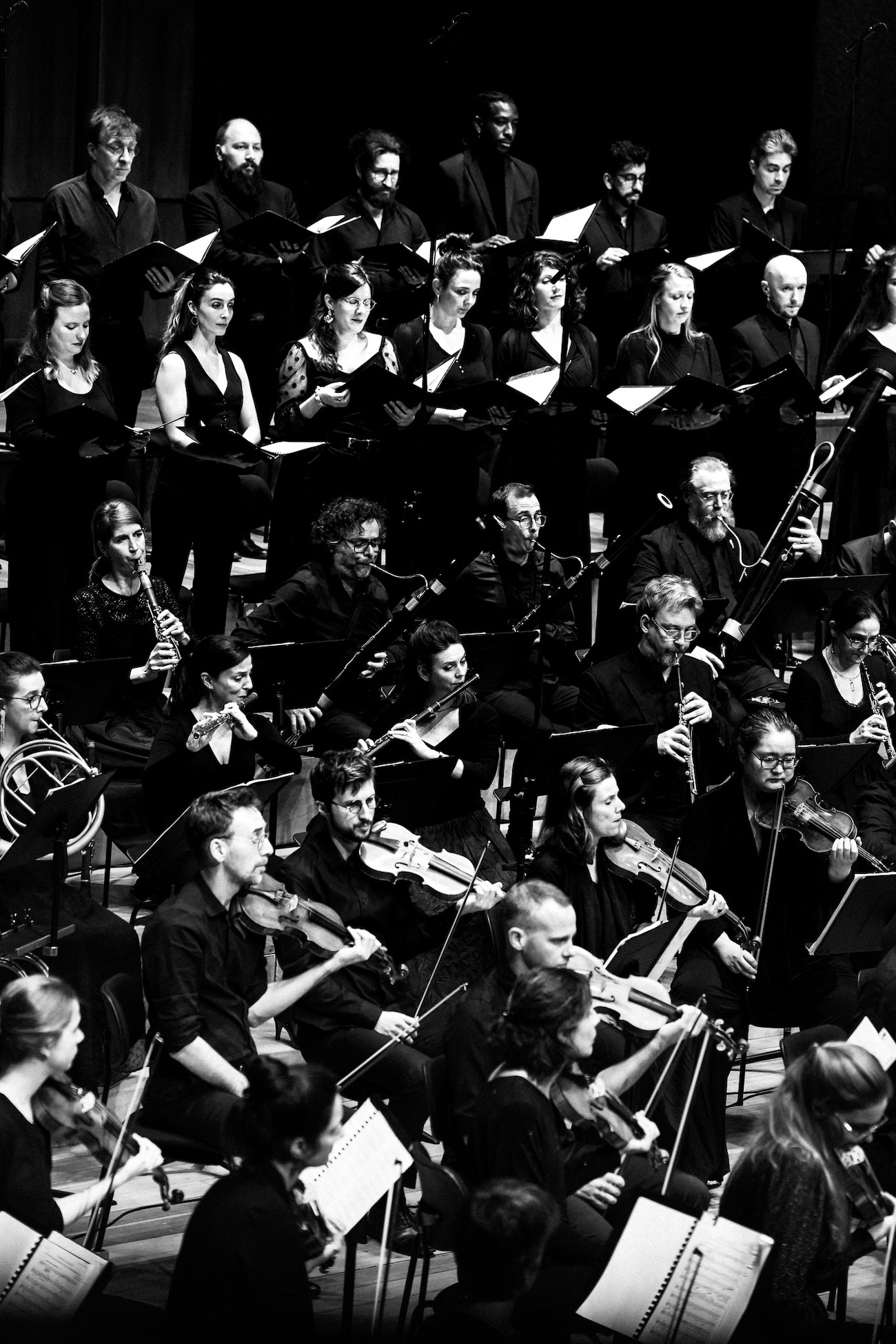
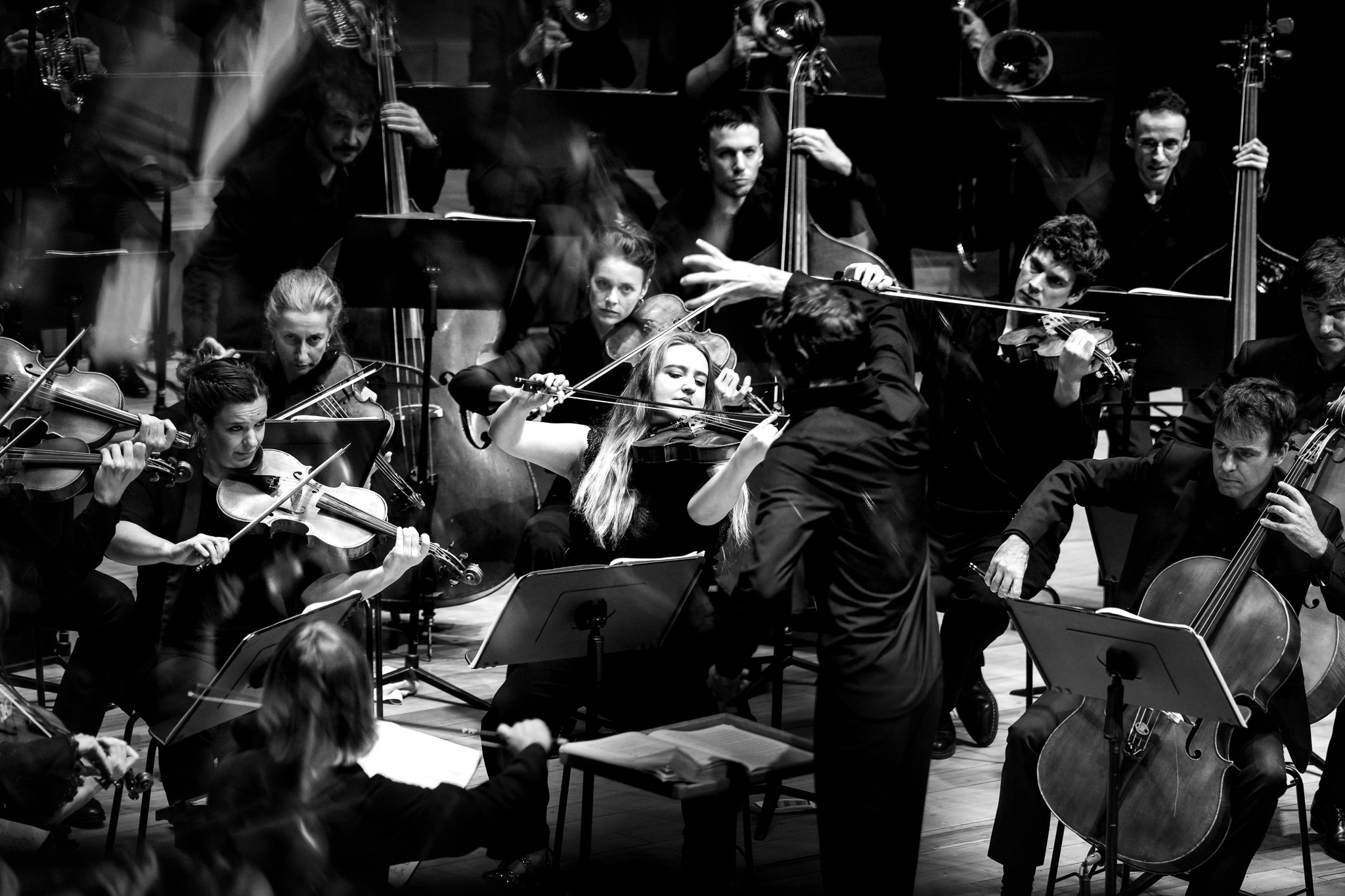
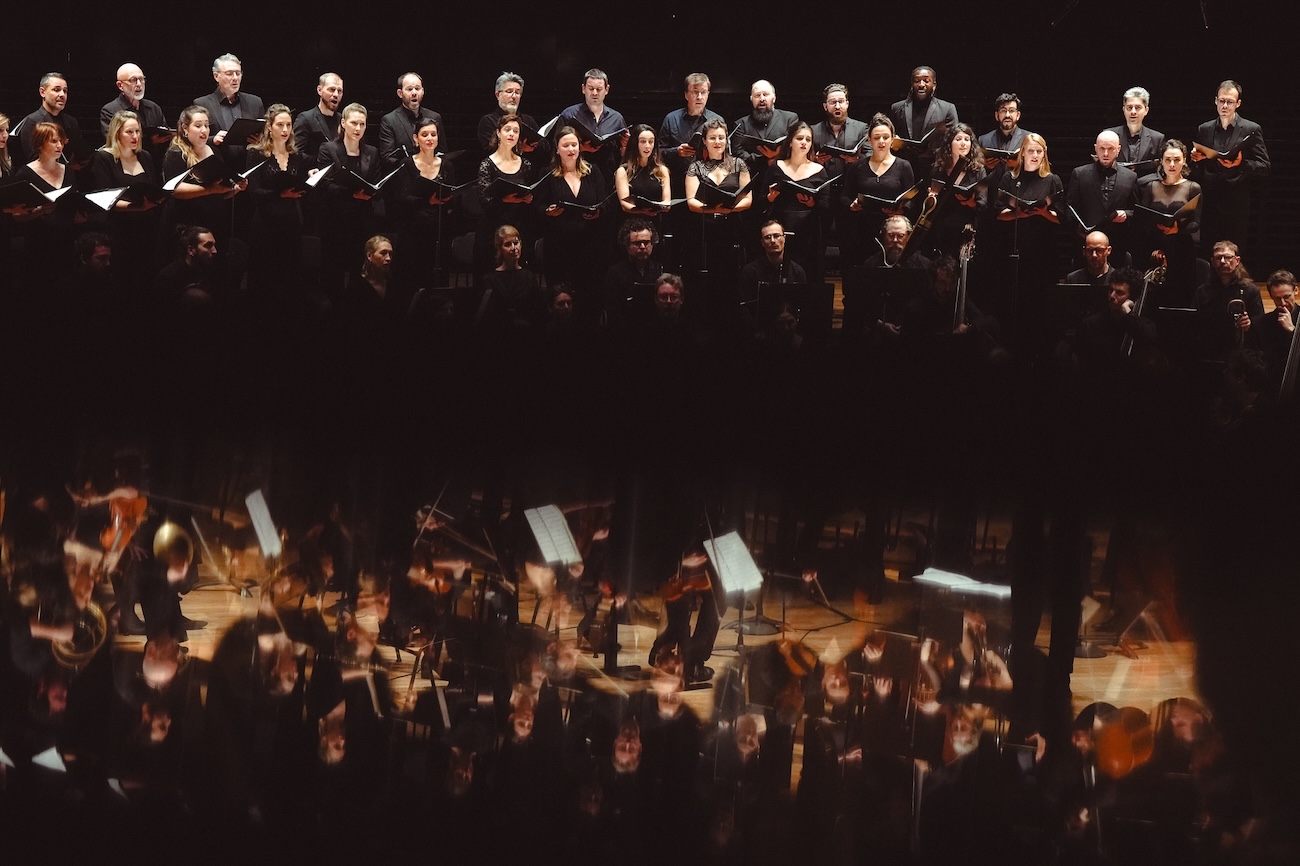
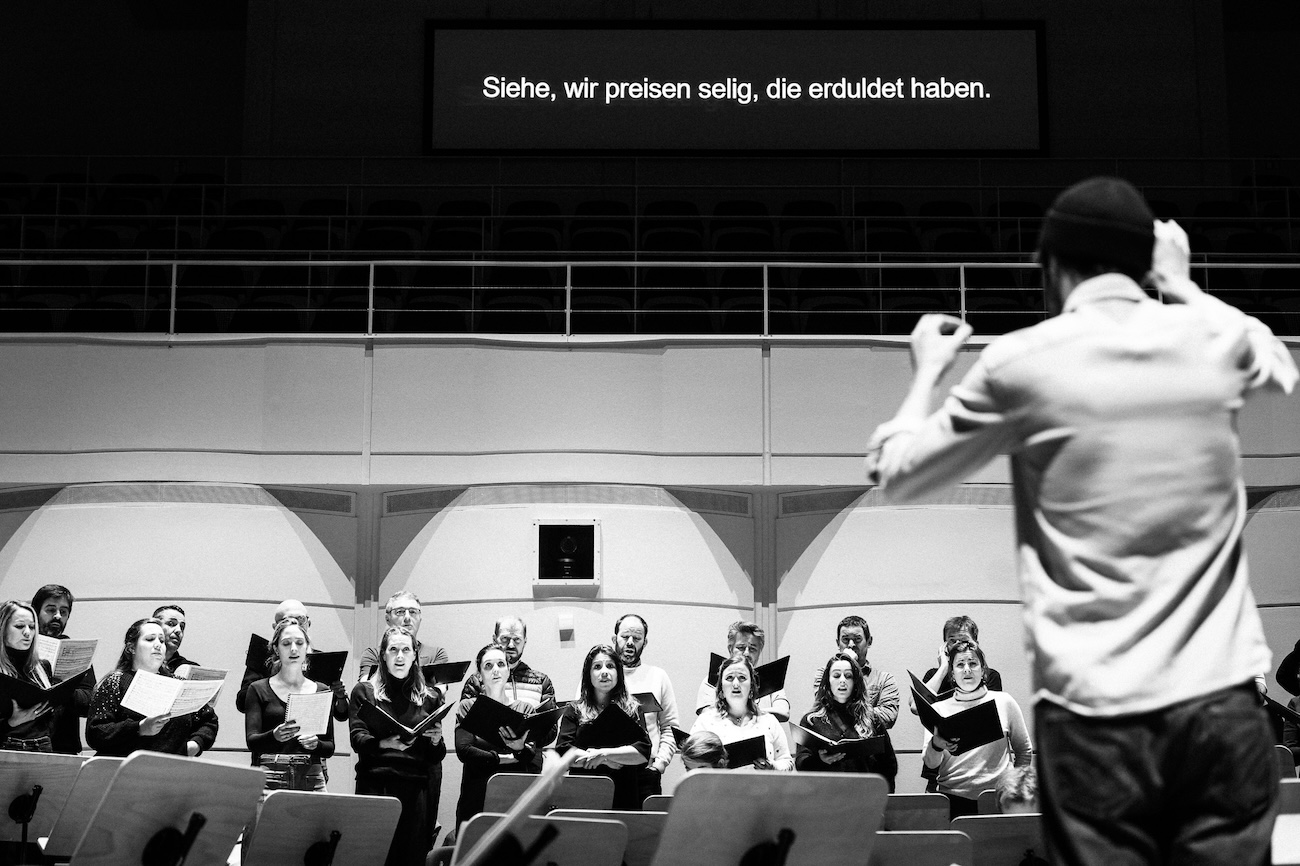
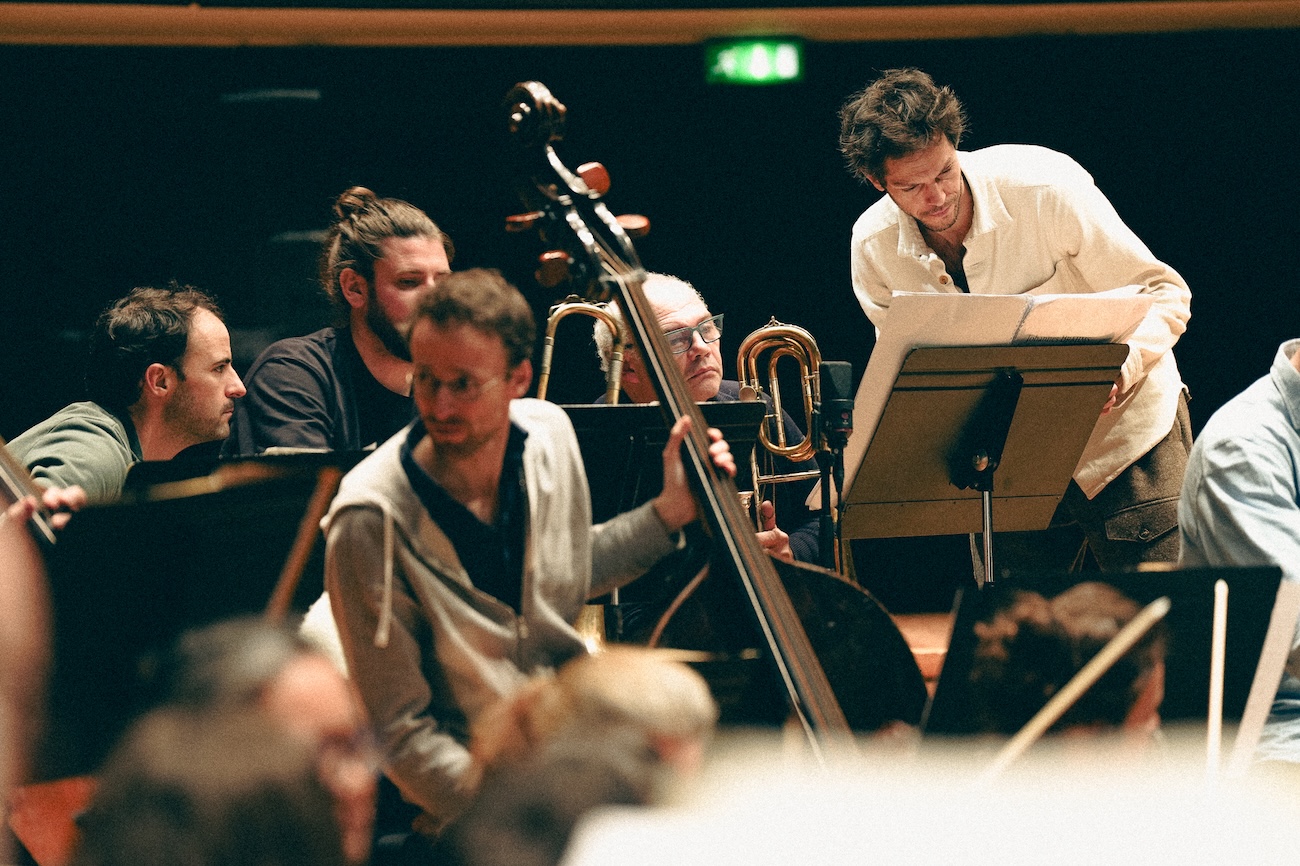
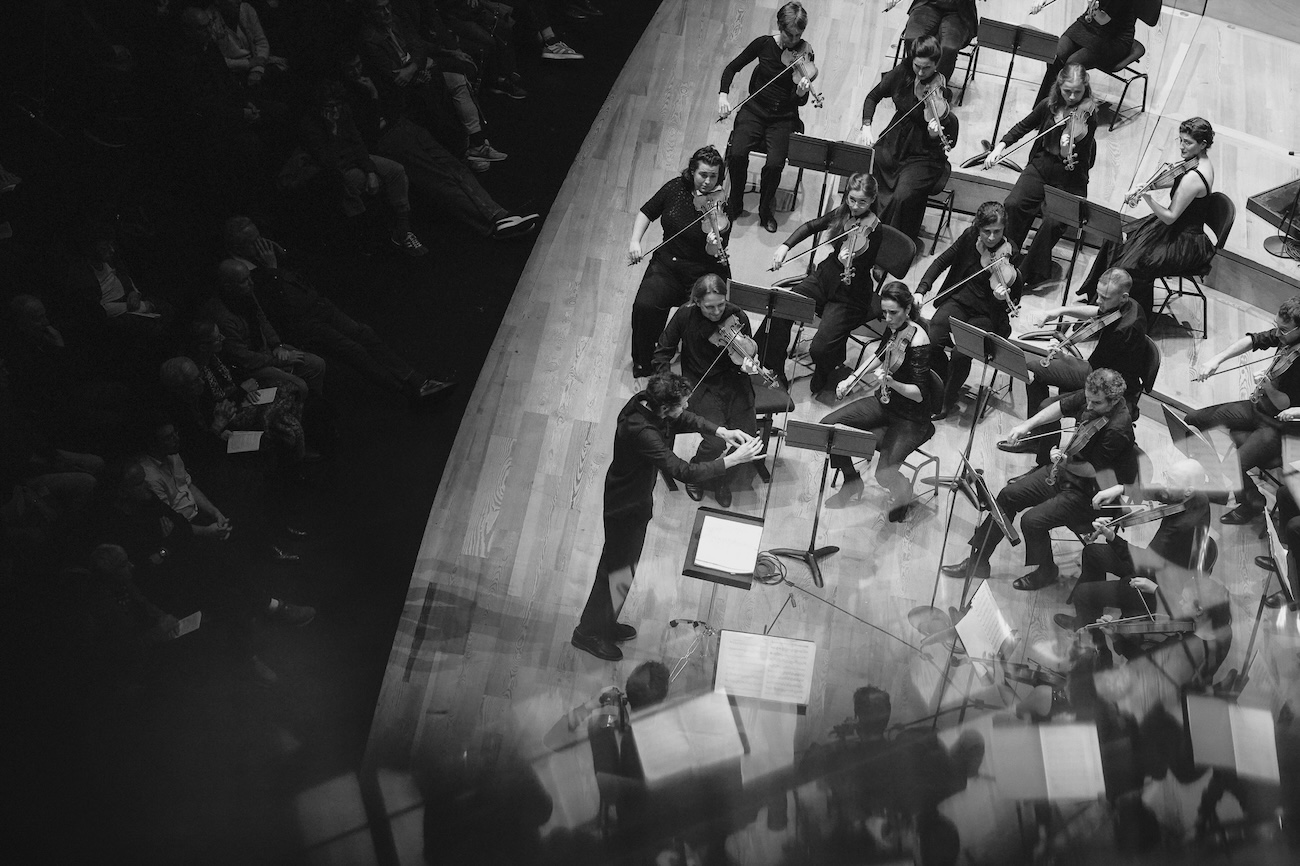
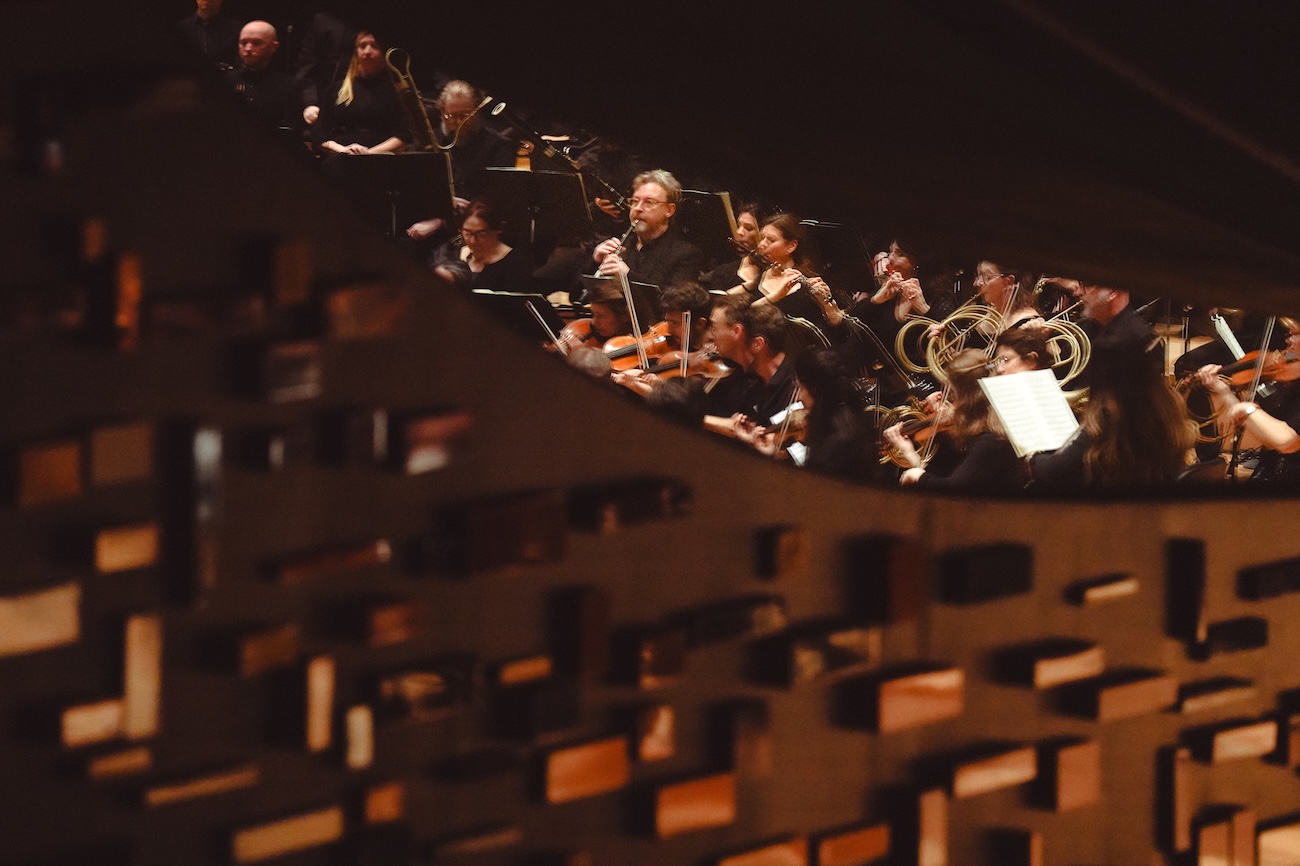
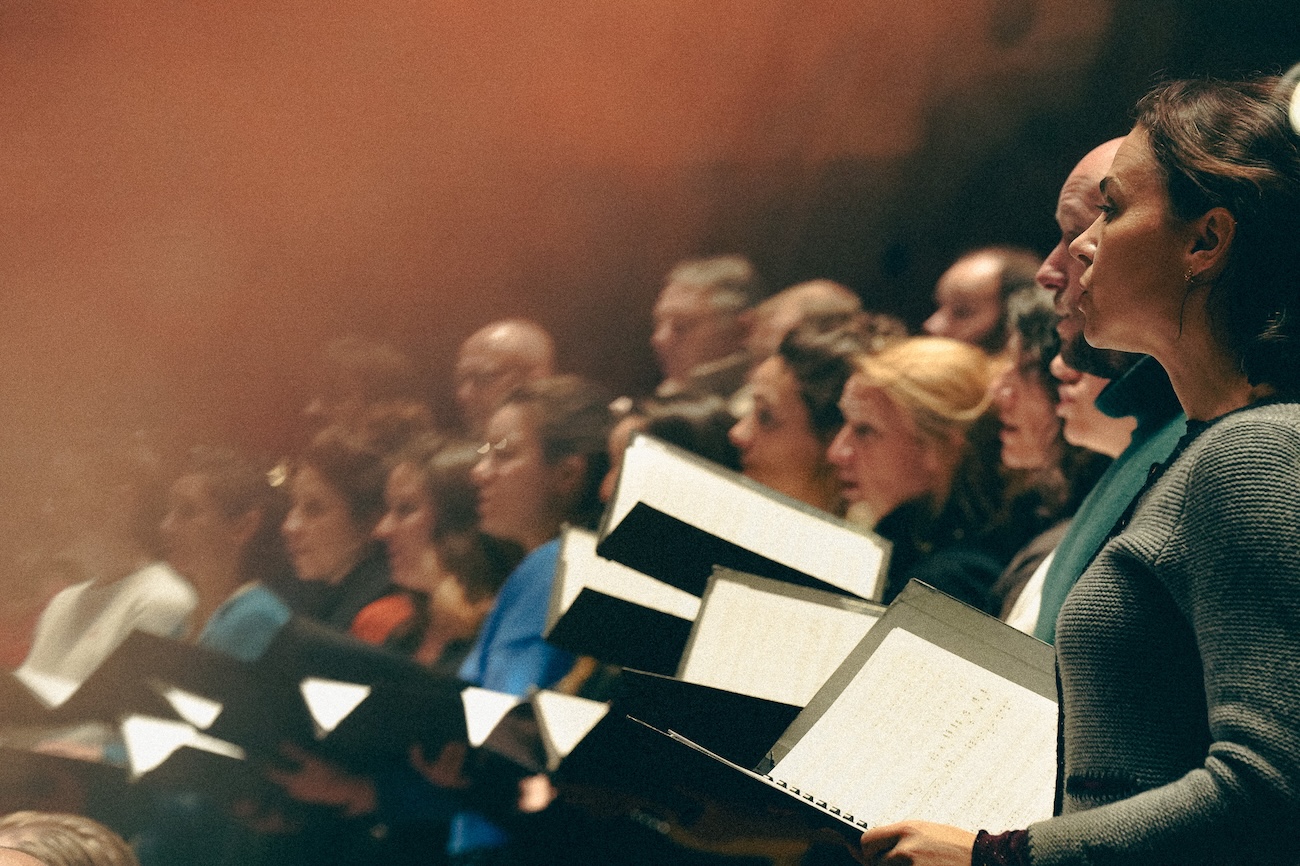
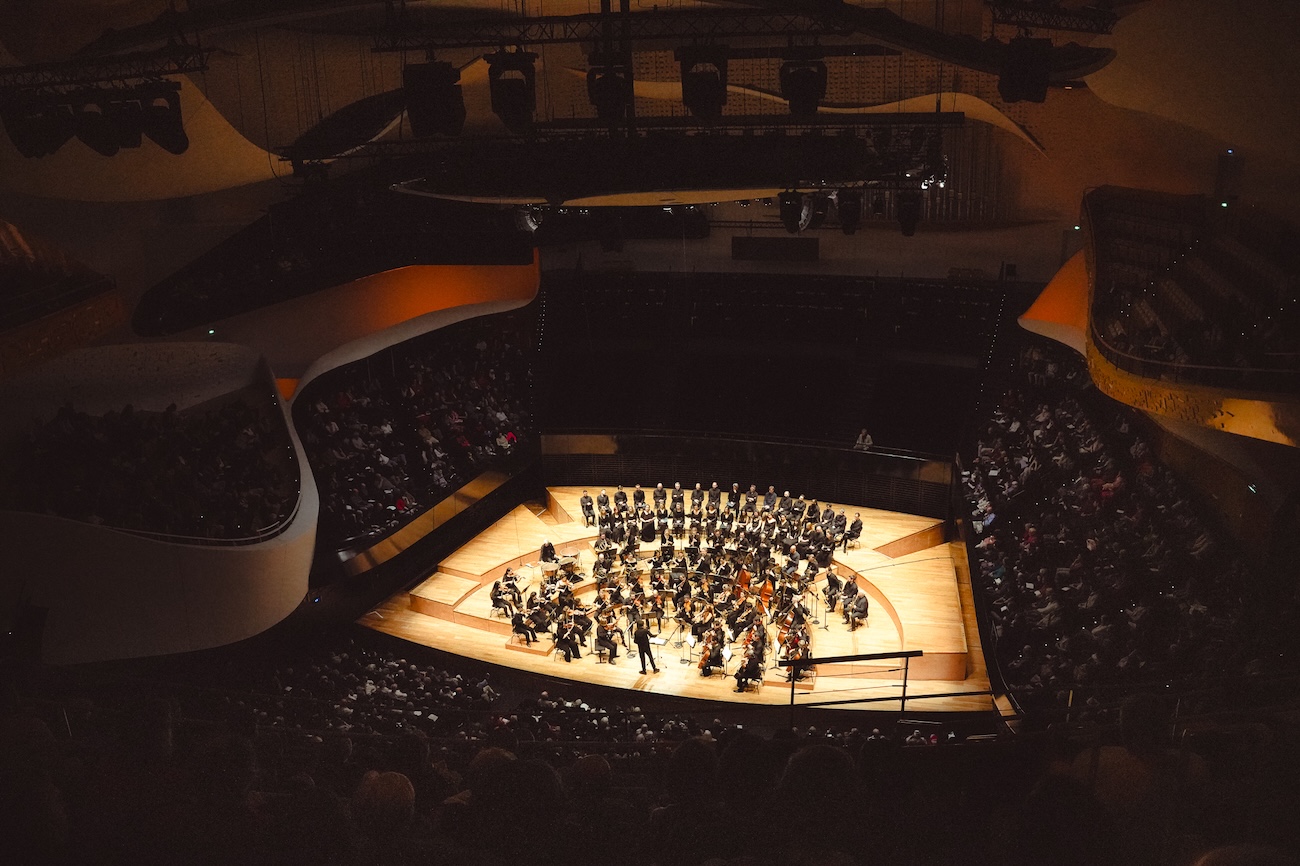
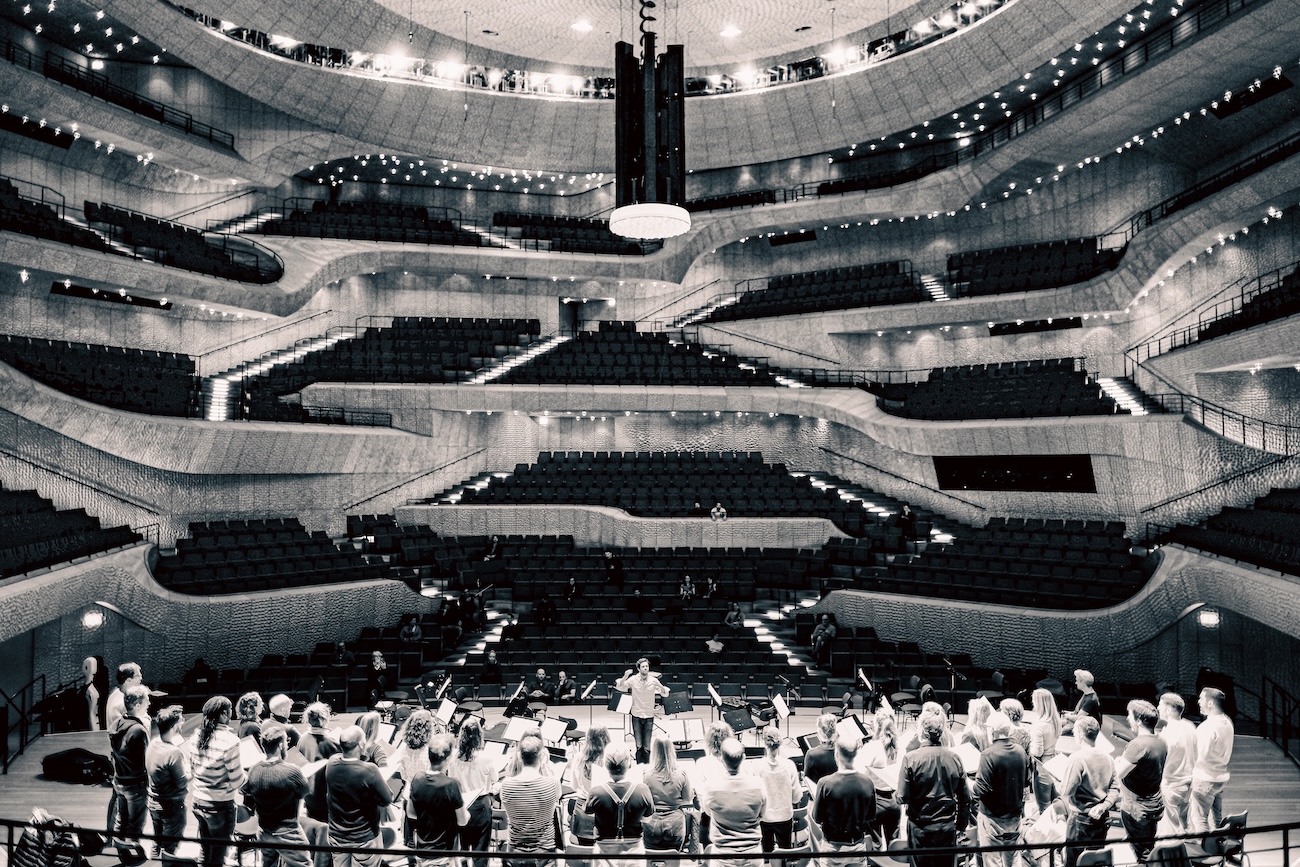
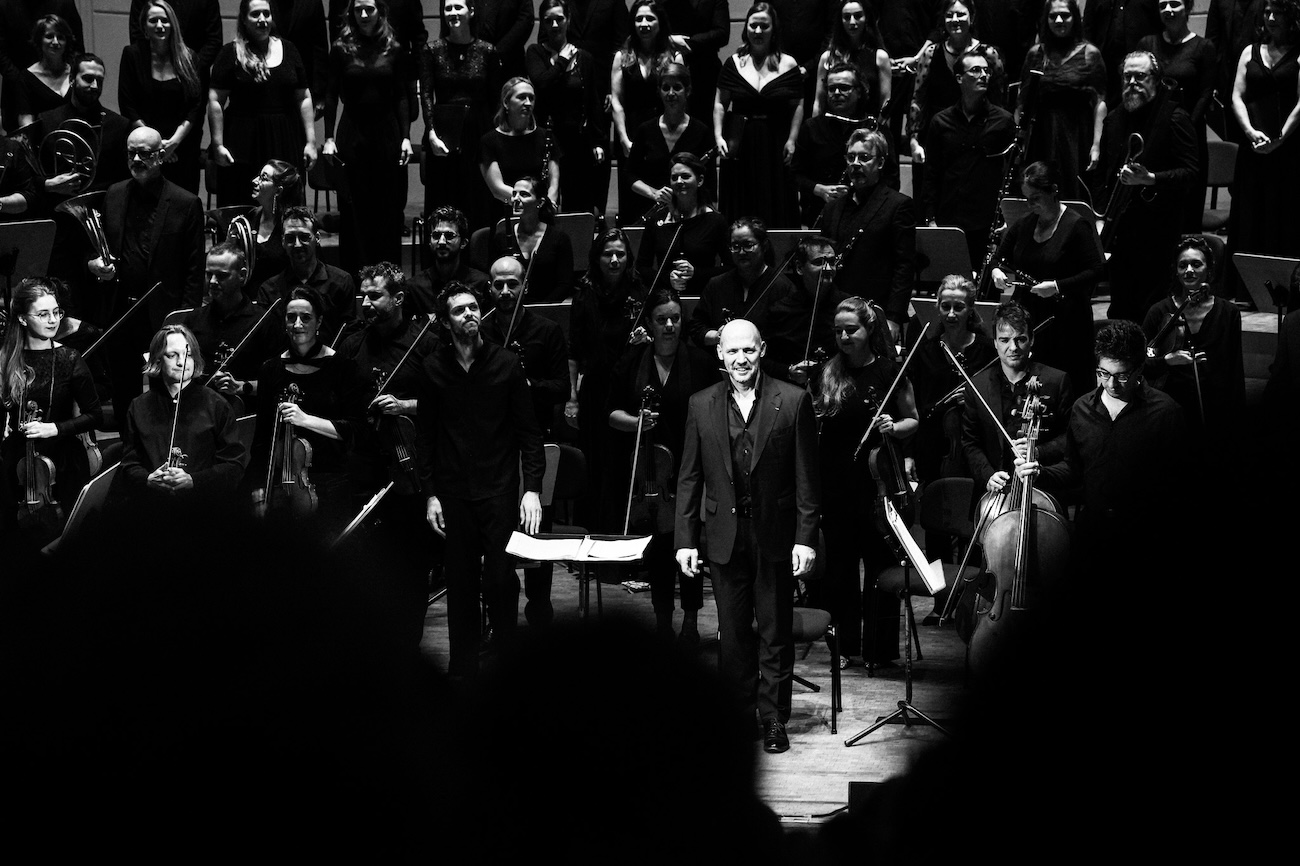
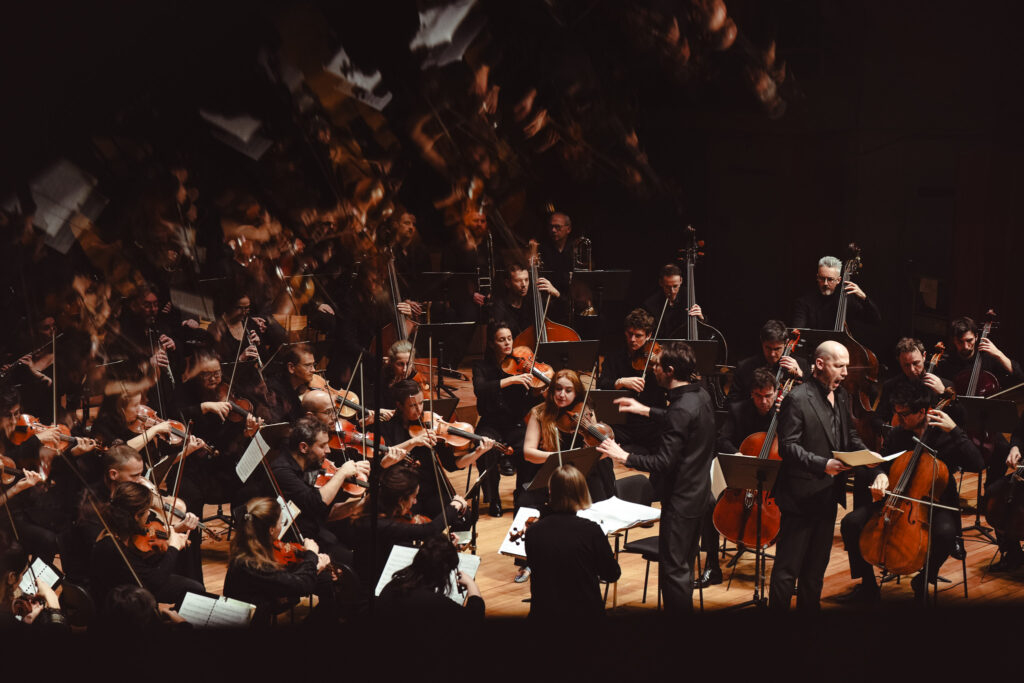
The Pygmalion choir and orchestra are the ideal performers for this eminently romantic and philosophical destiny, bringing to life large-scale vocal and orchestral pieces with a sombre tone and deep voices.
Programme
Zwei Motetten, op. 74
“Warum ist das Licht gegeben dem Mühseligen”
Vier ernste Gesänge, op. 121 (orch. Robert Percival)
Geistliches Lied (orch. Robert Percival)
*
Schicksalslied
Symphonie n° 1
press review
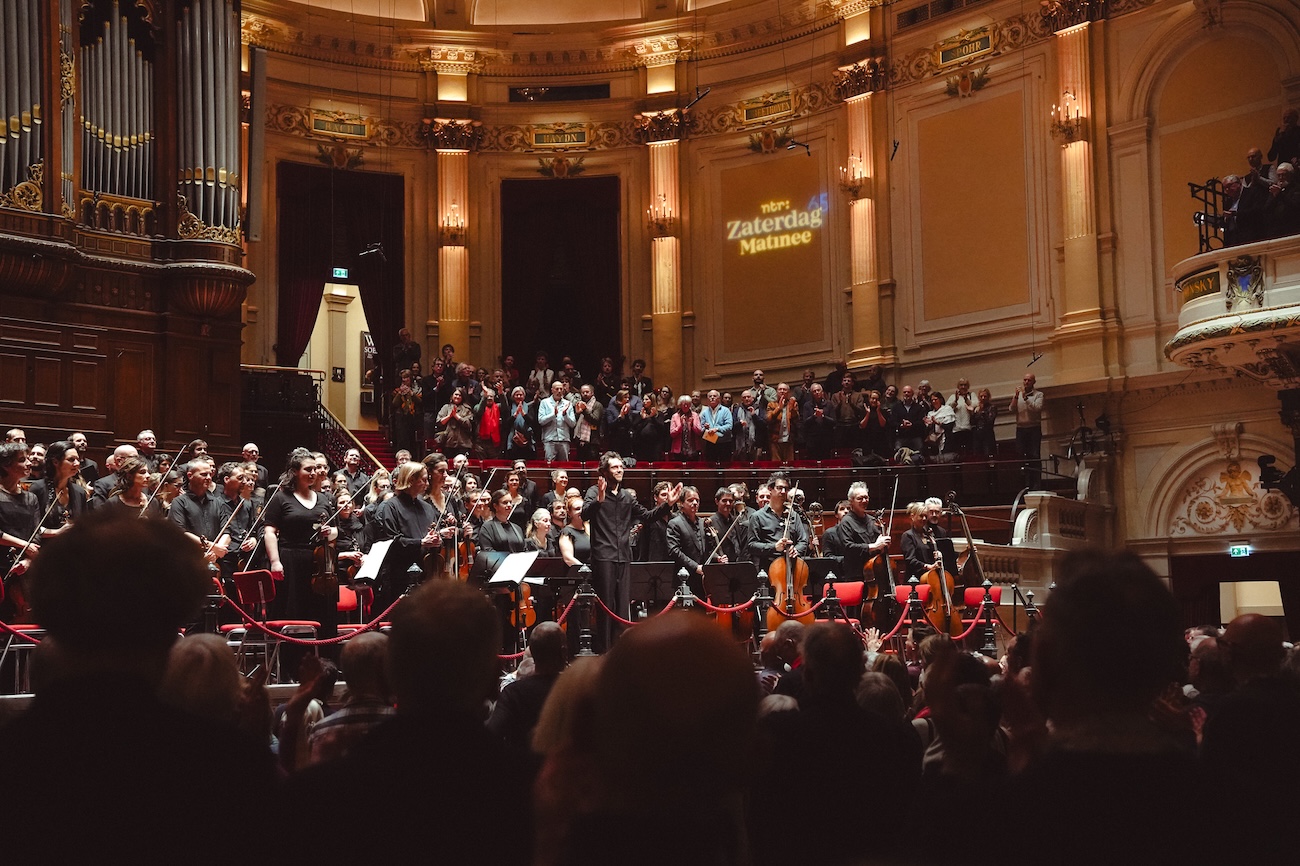
‘A Brahms performance rarely heard! And all this on Saint Cecilia’s Day, patron saint of music. She could not have received a more beautiful tribute than that of Pichon and his formidable musicians.’ (Peter van der Lint, Nov. 2025)
‘For open-minded Brahms enthusiasts, the enjoyment began last month with the release of a new recording of Ein deutsches Requiem. The verdict on this album (now widely listened to): incredible! Pygmalion and conductor Raphaël Pichon have once again (Bach! Monteverdi!) succeeded in breathing new life into music you have known and loved for a long time, in such a way that you say to yourself: “But of course, this is how it should be interpreted.”’ (Mischa Spel, Nov. 2025)
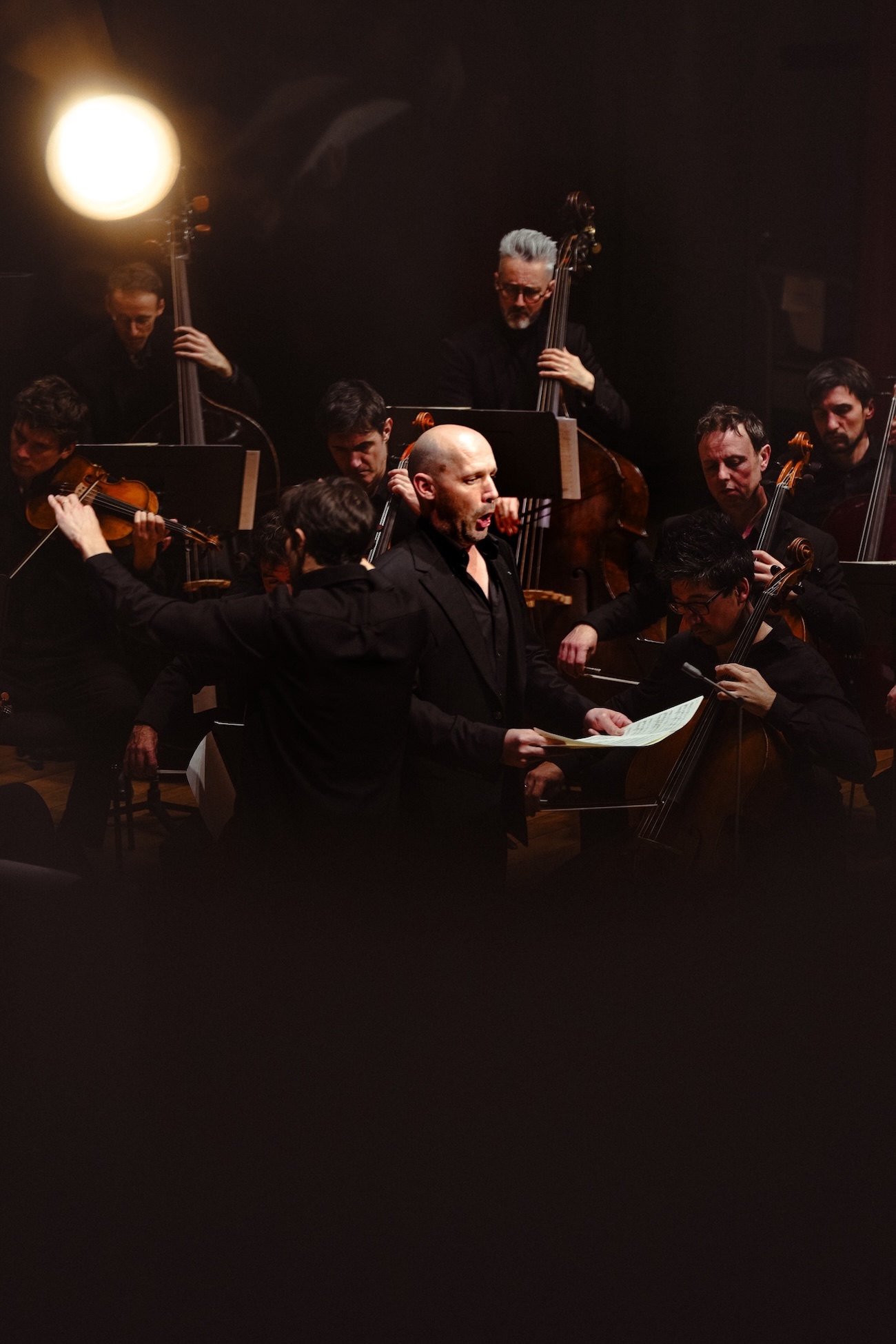
‘The phrasing, the (almost) total absence of vibrato and the fabulous charm of Koen Plaetinck’s timpani formed a captivating and intense language, serving as a basis for Stéphane Degout’s singing, imbued with prophetic and oracular authority. An authority which, in perfect congruence with their respective essences, was based on a fantastic mastery of the baritone register and great intelligibility, in order to confer on love, in the finale “Wenn ich mit Menschen – und mit Engelszungen (If I spoke the languages of men and angels), the greatest of all hopes’. (Jens Klier, Nov. 2025)