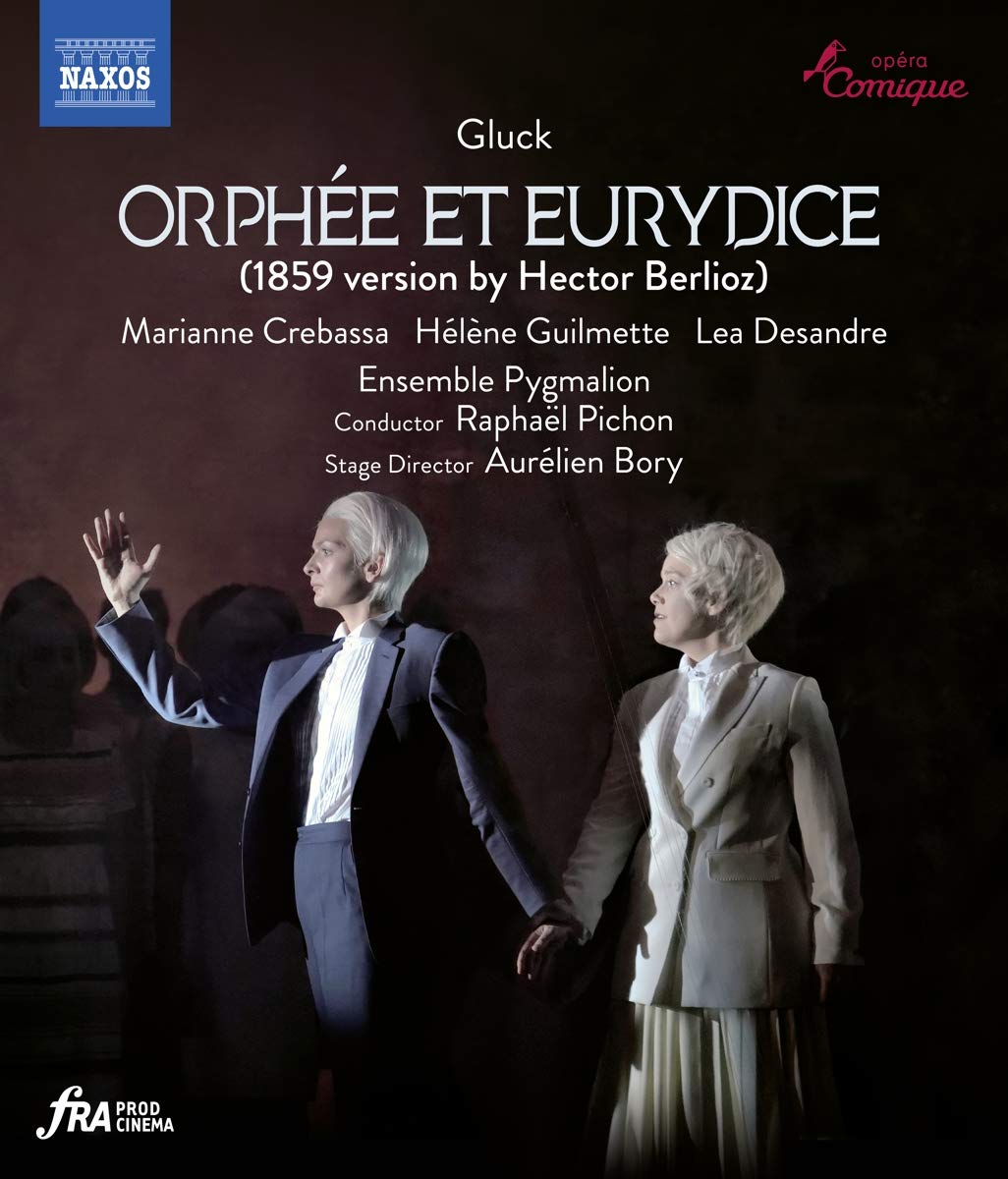
Orphée et Eurydice
Christoph Willibald Gluck
Opera in 4 acts, 1762.
1859 version by Hector Berlioz, libretto by Pierre-Louis Moline.
When the voice triumphs over Hell: Marianne Crebassa, Hélène Guilmette and Raphaël Pichon transcend Gluck’s Orpheus and Eurydice in a vertiginous production at the Opéra Comique.
A mesmerizing plunge into the darkness and light of the human soul, Gluck’s Orpheus and Eurydice shook the Age of Enlightenment in Europe with its dramatic purity and emotional intensity. This visionary masterpiece retraces the myth of Orpheus, a divine musician willing to defy death to reclaim his lost love. His voice alone soothes the Furies, opens the gates of Hell, but love, tested by doubt and pain, confronts an unyielding fate.
In the sumptuous version revised by Berlioz in 1859, Gluck reaches new heights of lyricism and expressive power. Berlioz draws from the various versions of the work to offer a masterful synthesis, magnifying every breath of the score.
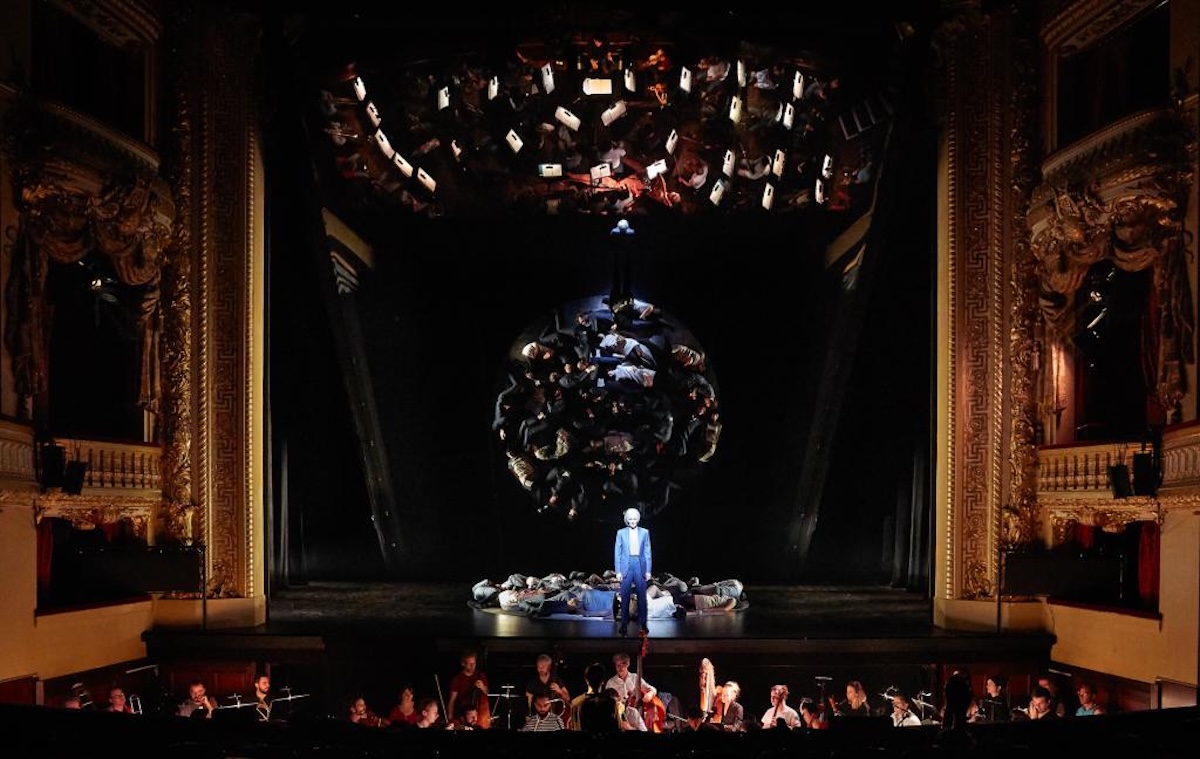
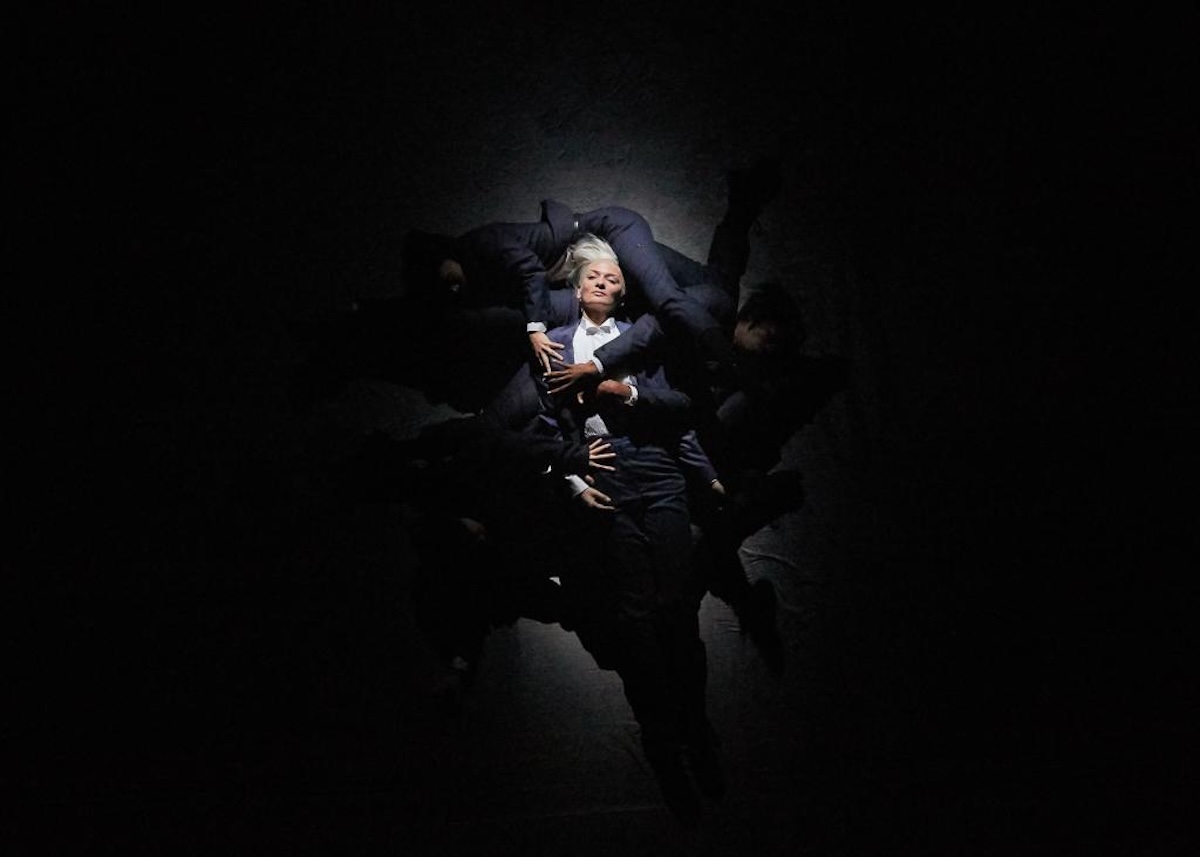
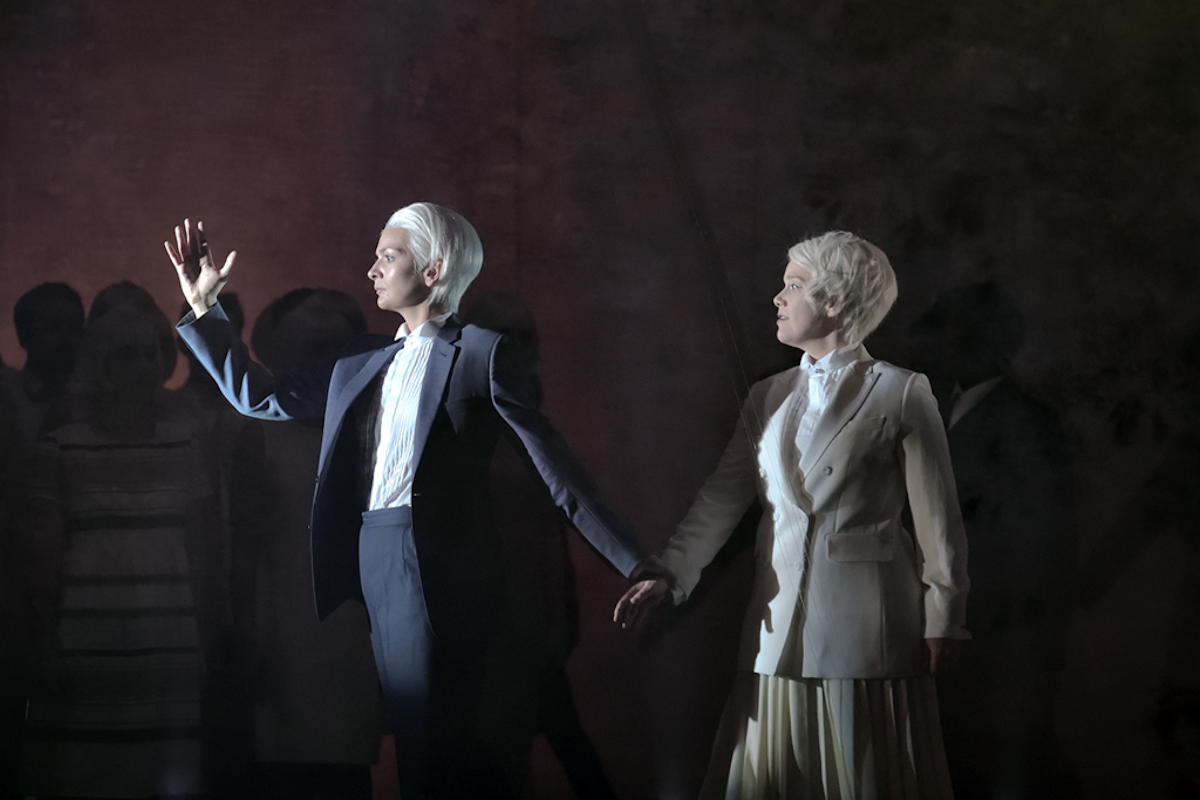
Under the passionate direction of Raphaël Pichon, leading the Ensemble Pygmalion, this production sets the stage of the Opéra Comique ablaze with rare intensity. Marianne Crebassa embodies a heartbreaking Orpheus, carried by a voice both luminous and tormented, opposite Hélène Guilmette, a heart-wrenching Eurydice, and Léa Desandre, a mischievous yet benevolent Love.
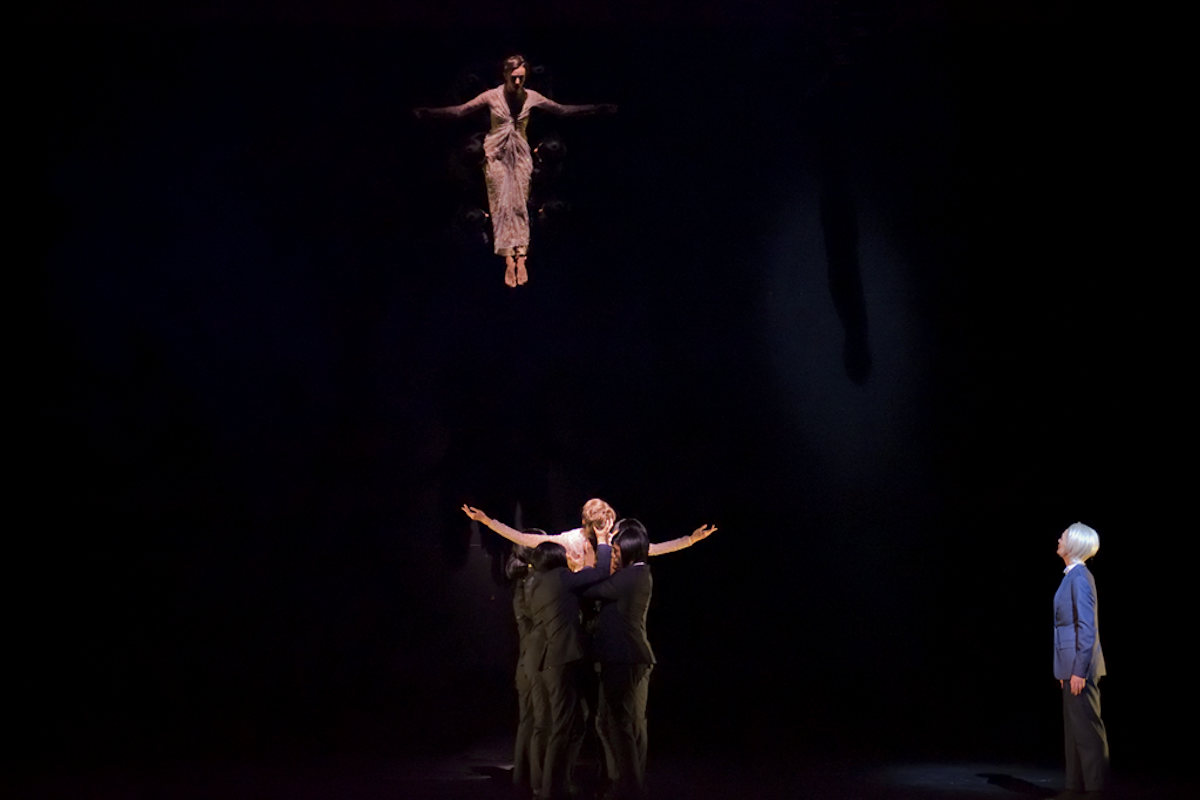
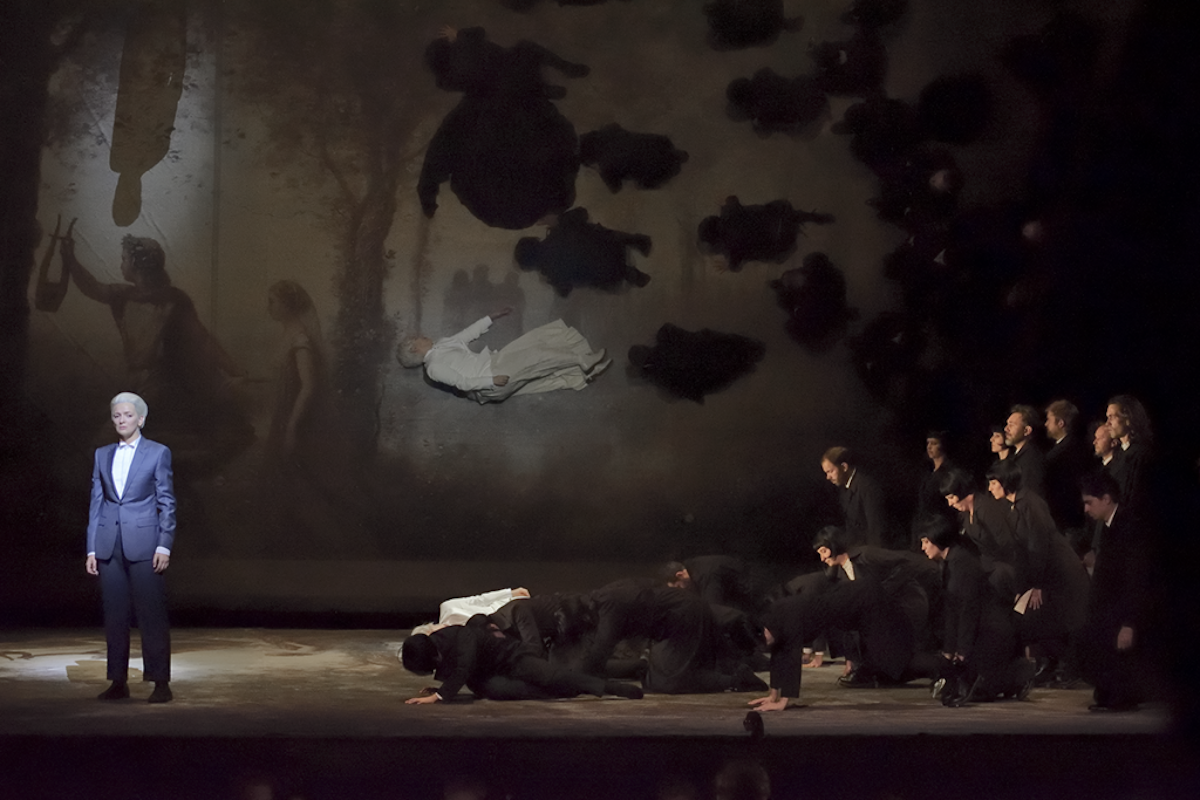
In a visually and sensorially striking production by Aurélien Bory, the myth becomes a poetic fresco, oscillating between dream and reality. Bewitching images, shifting spaces: everything here celebrates the cathartic power of music and the fragility of love in the face of fate.
An essential opera, imbued with grace and tragedy, where music elevates the soul and makes even the gods tremble.
Filmed on 16 and 18 October 2018 at the Opéra Comique.
Directed by François Roussillon.
FRA Prod.
La presse en parle