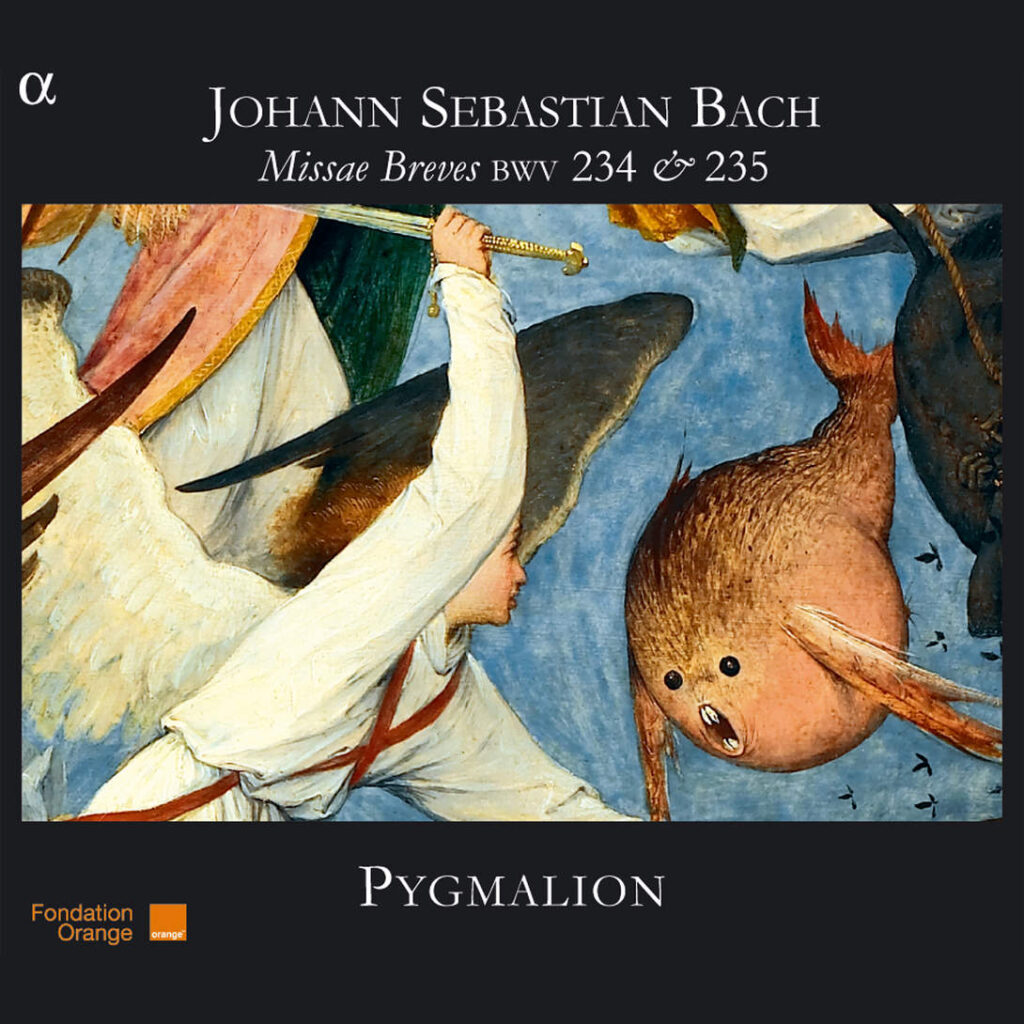
Missae breves, BWV 234 & 235
Johann Sebastian Bach
‘As a teenager, I was guided by Bach and by an insatiable curiosity about his cantatas, his passions and his motets. I also participated regularly in a complete concert cycle of the cantatas. All of that gave me musical sustenance. As a result, at the time Pygmalion was founded, Bach came as a natural choice, even if we immediately thought we should concentrate first on some of the lesser-known nooks and cran-nies of his output and also build up a complementary repertory from other composers. At that time the short masses were still works that had very few champions, overshadowed as they were by the Passions and the great Mass in B minor. In terms of duration and formal structure, they were ideal for young musicians like us. These little gems were extremely exciting and ambitious, but at the same time they had the advantage of being less hackneyed than other pieces. I think the mixture of elation, joy, theatricality, exuberance and energy expressed in these short masses was ideally suited to us.
This disc marked a decisive stage in the early history of Pygmalion, because it was lucky enough to become a talking point – and so did we
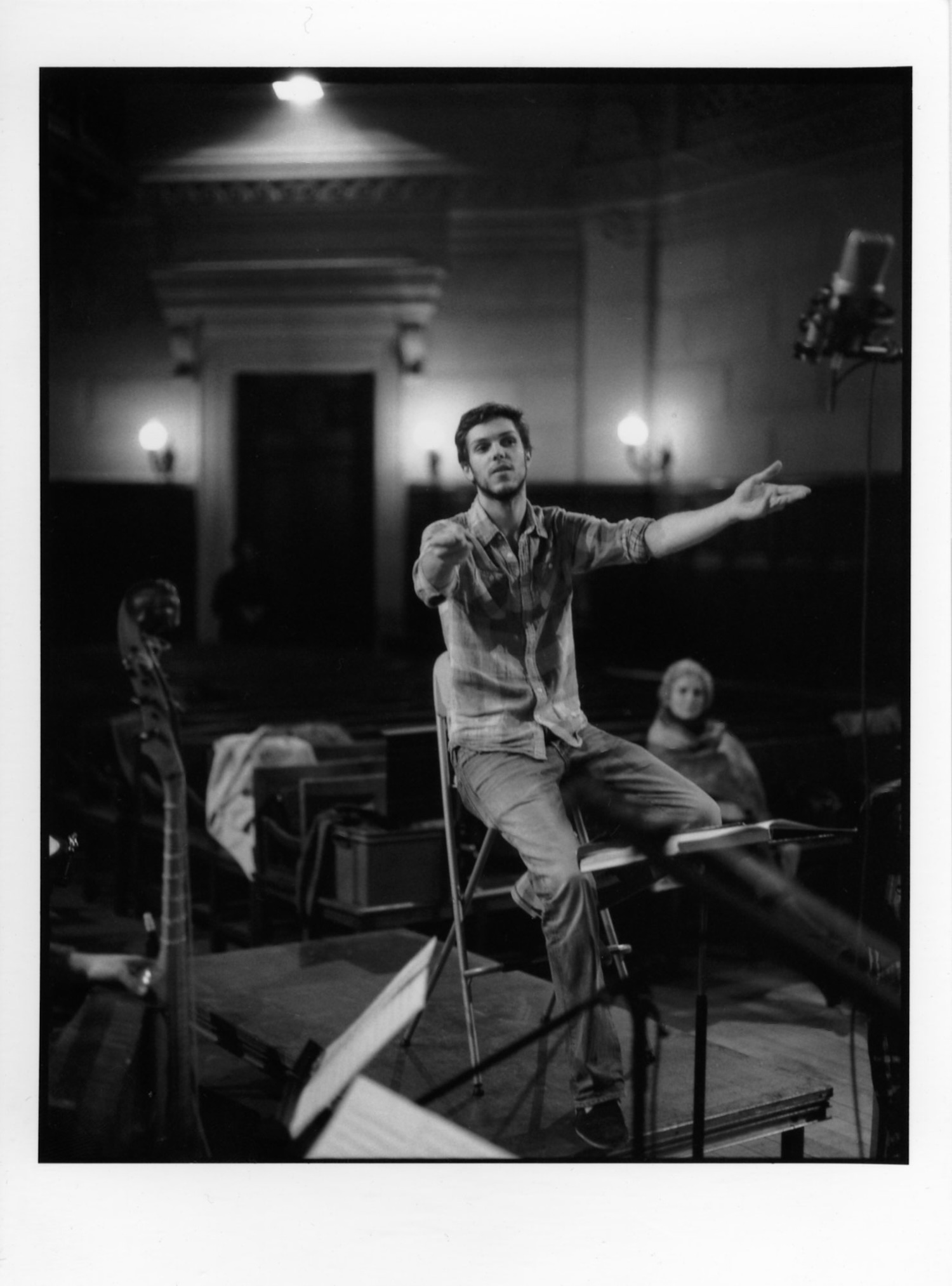
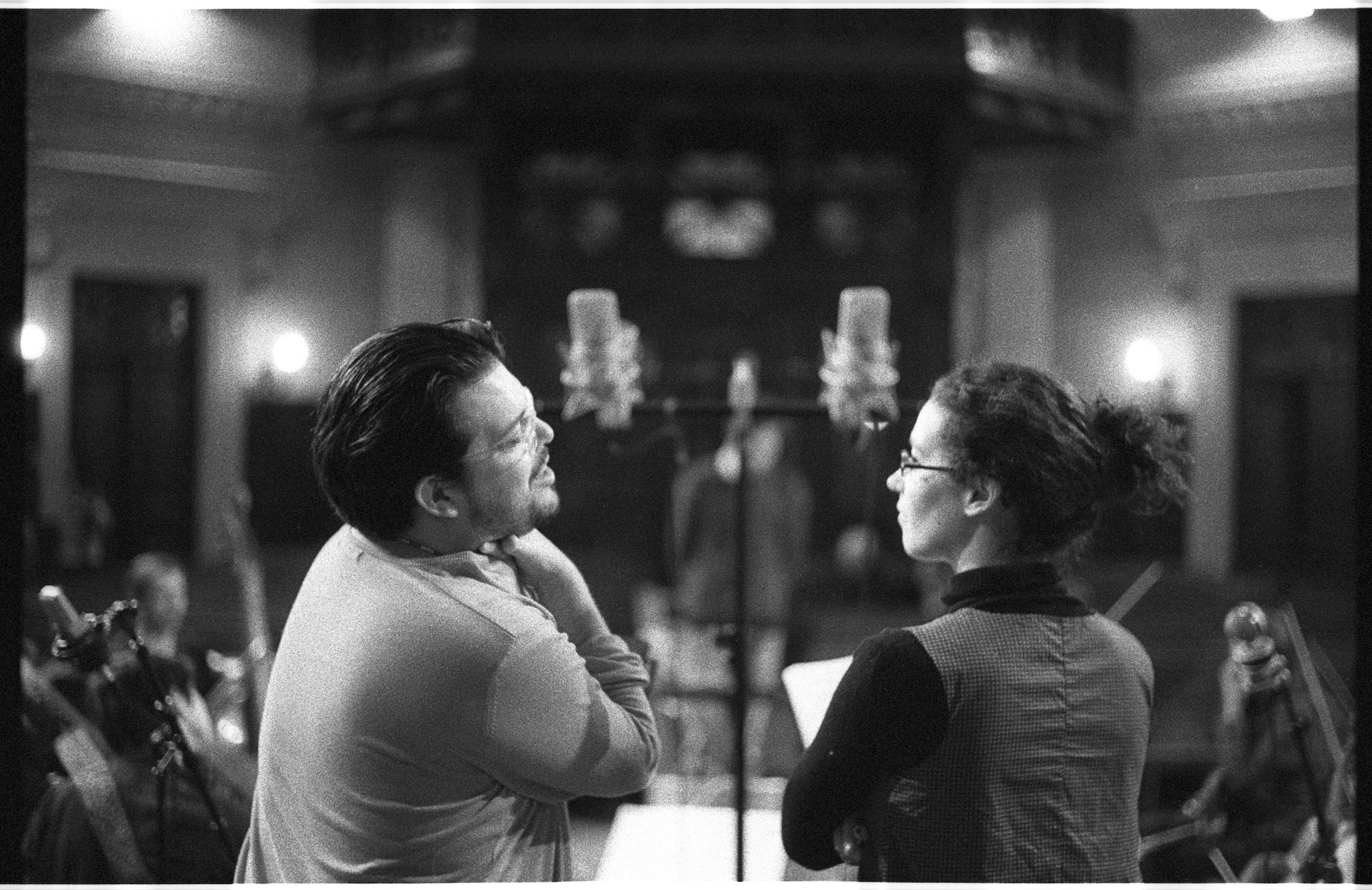
My most powerful memory of this recording is of the natural emergence of a group: from being a bunch of singers and instrumentalists who were also friends, we metamorphosed into a professional ensemble overflowing with desires, with demands, with generosity. The disc truly crystallised this project founded on a combination of rigorous musical standards and human adventure. Our puberty, you might say!
That balance will always fascinate me in Bach. His music possesses an extraordinary emotive power, yet this isn’t the reflection of instinct alone but of a profound, constructed thought process, of a mind that is equally out of the ordinary. For us musicians, his output is also the one of the most prolific; an entire life isn’t enough to explore all its facets! Placing Bach at the heart of Pygmalion was the natural course for us, since we could explore him endlessly while building around him a coherent repertory of excursions into other music that would finally enrich our reading of Bach.’ (Raphaël Pichon)
Alpha Classics
1 CD – 28 August 2008
Awards