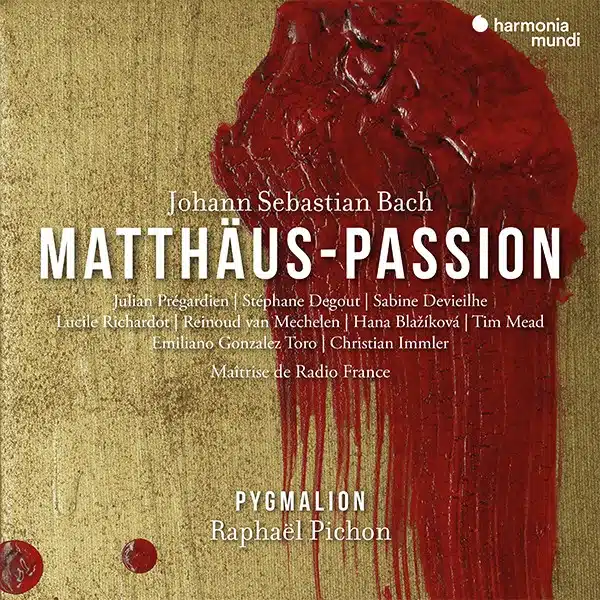
Matthäus-Passion
Johann Sebastian Bach
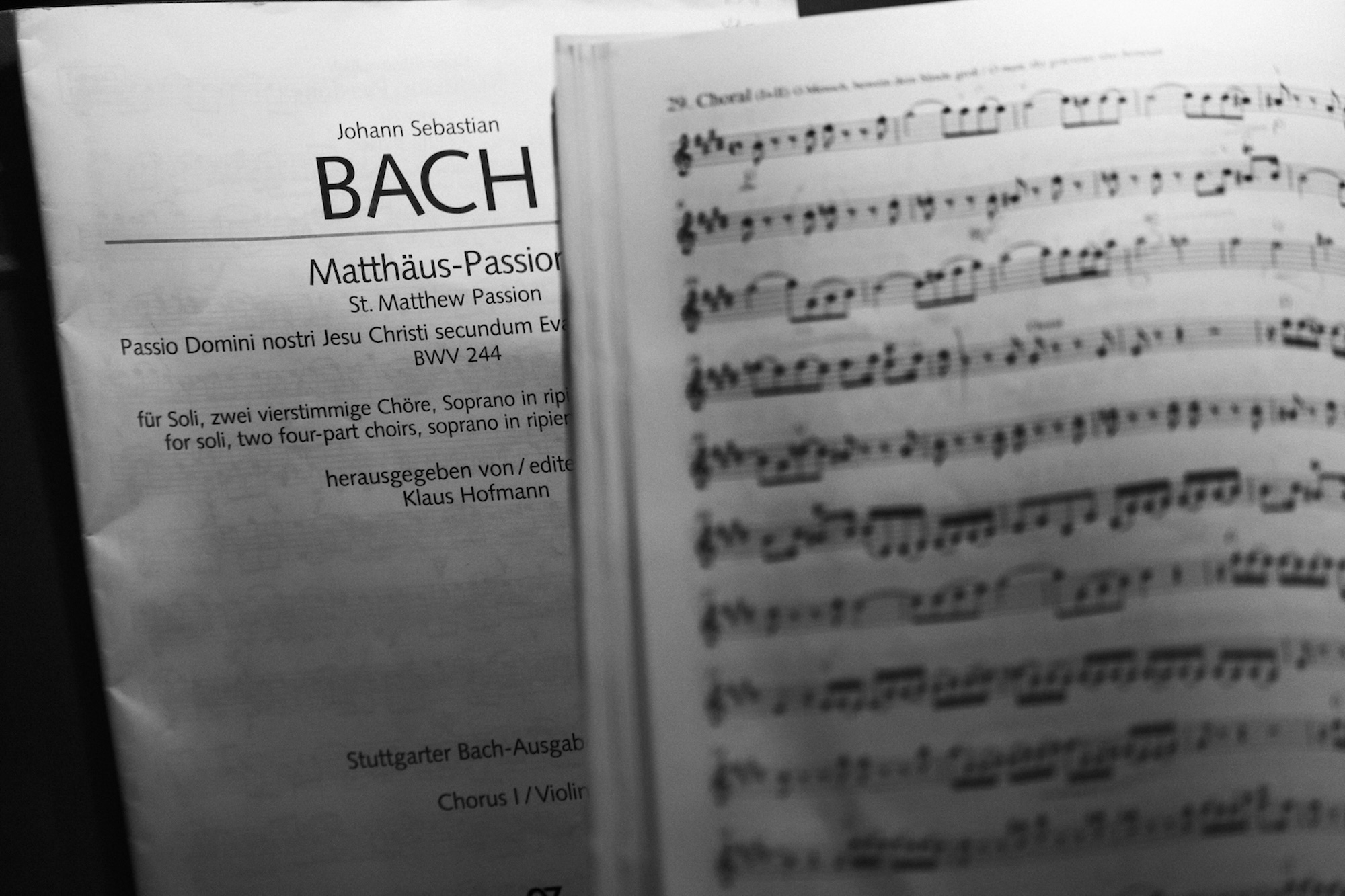
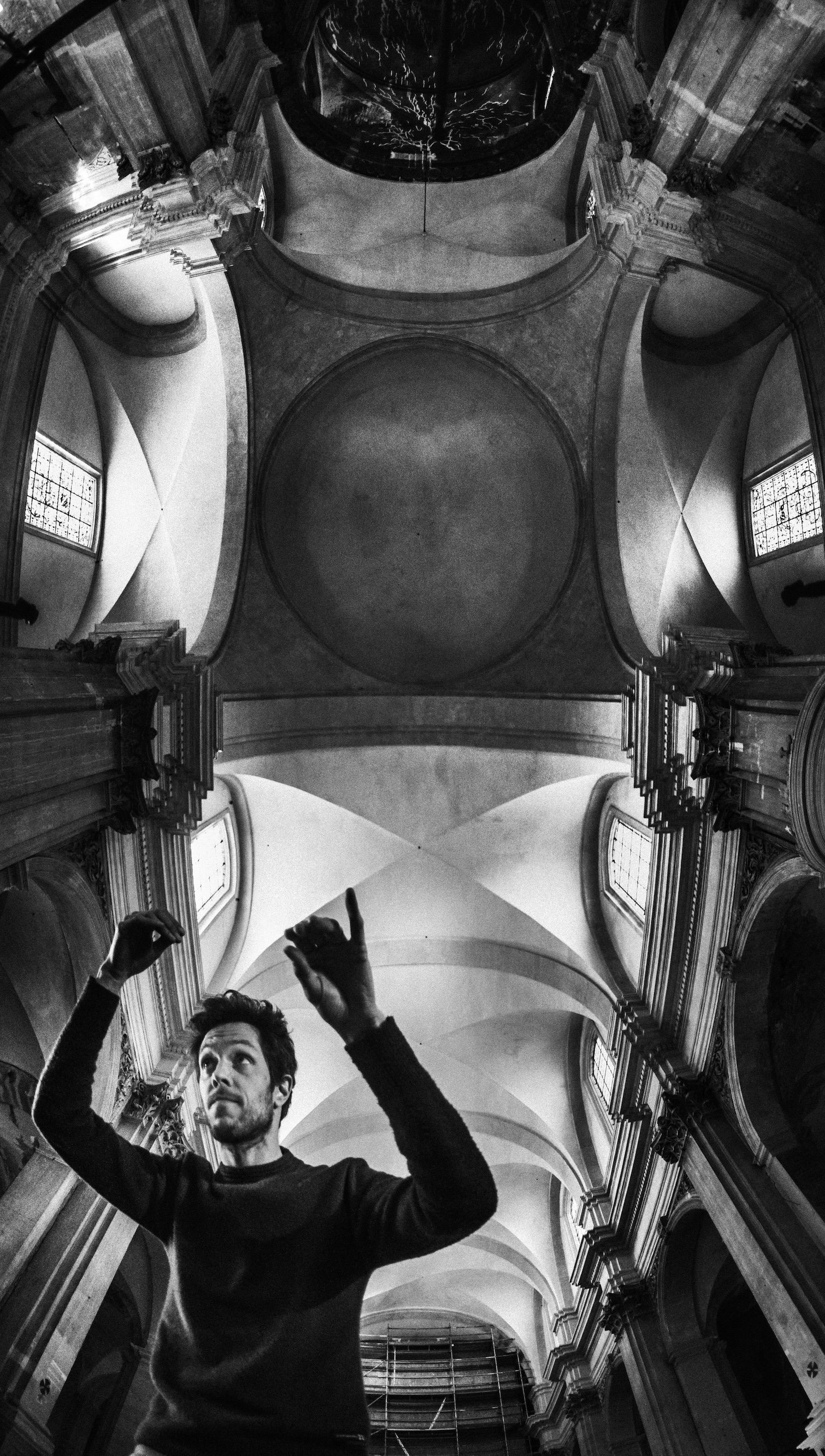
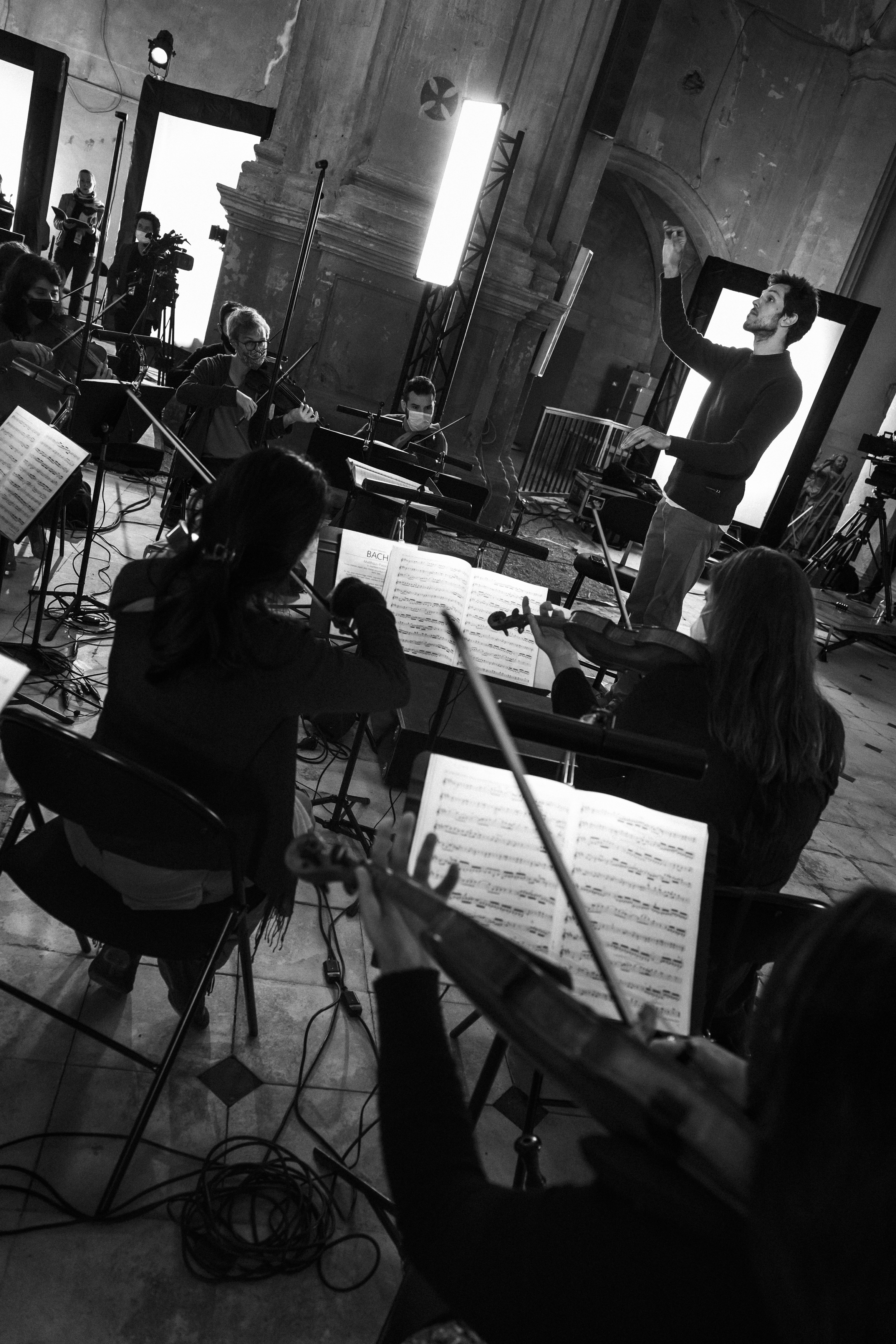
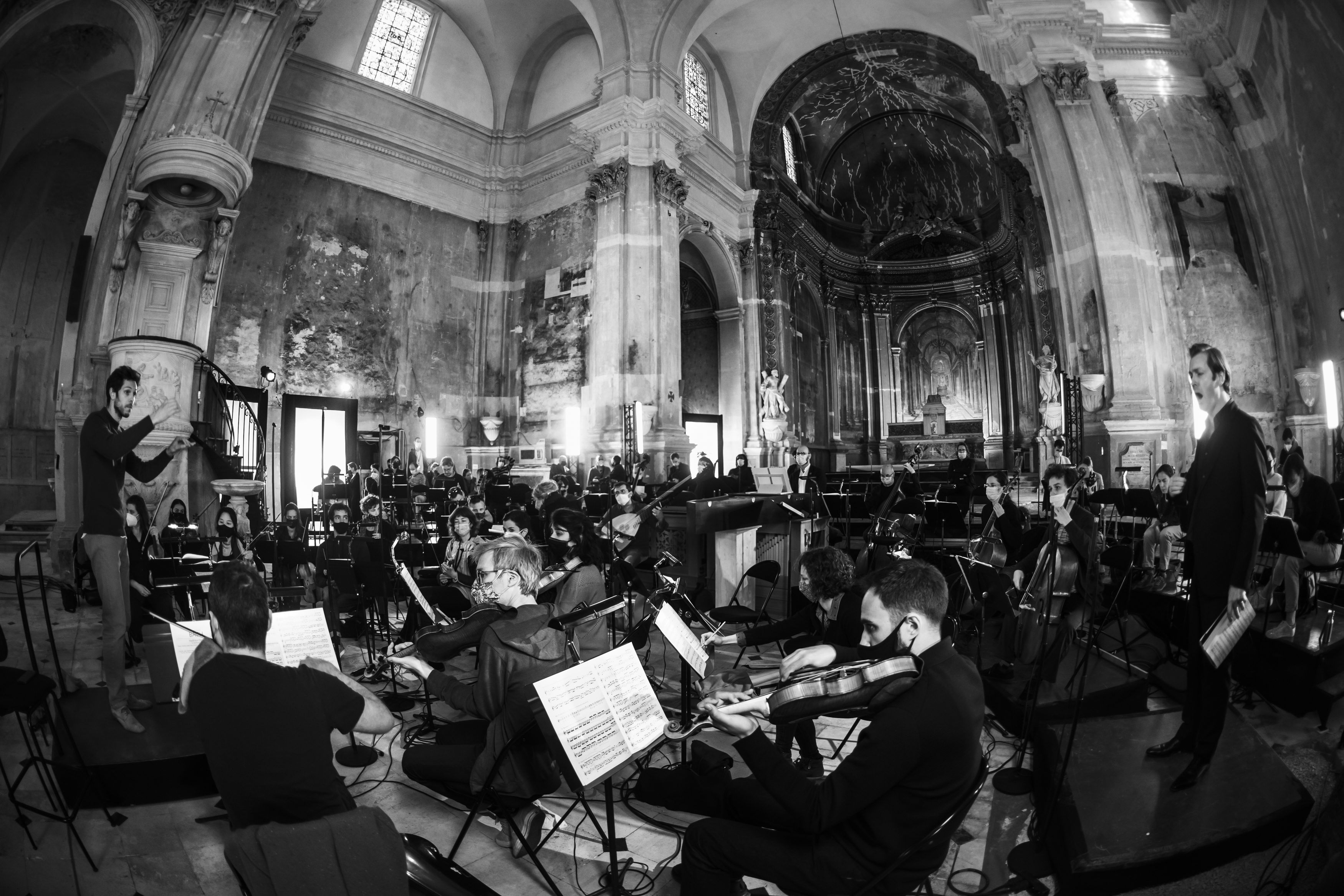
Bach and Pygmalion: the story of a passion, linking the genius of the Thomaskantor to a reflection on inner drama and constantly renewed vocality. This Matthäus-Passion marks a major stage in this fifteen-year companionship and testifies to the culmination of their work on Bach, characterised by its precision and humility. Read through the prism of a tragedy in five acts, at once intimate and theatrical, human and metaphysical, the Passion is revealed here in a new light: as a deeply moving and universal epic.
harmonia mundi
2 hour 42 minutes — 3 CD — March 2022
Awards



La presse en parle
‘This success is all the more convincing considering that Raphaël Pichon and his partners are among the most inspired interpreters of Bach. Their secret? They make the music dance, without ever dampening its enthusiasm or numbing its rhythmic flexibility. And they make it sing in a kind of melodic levitation.’ (Sophie Bourdais, 2022)
‘The rhythmic impulse, always subject to the imperatives of the words, guides Pygmalion with exemplary virtuosity and consistency, which in no way detracts from the expressive intensity and fervour […]. Impulse, pulsation, emotion, jubilation. A revelation.’ (Philippe Venturini, 2022)
‘A radiant, powerful and refined performance.’ (Stéphanie Renard, 2022)
‘The leader of today’s most exciting baroque ensemble took the time to assemble his dream team: Julian Prégardien (tenor) as the vibrant evangelist, Stéphane Degout (bass) as the anxious Jesus, Sabine Devieilhe with her haunting soprano, and Lucile Richardot (alto), whose Erbarme dich immediately tugs at the heartstrings and brings tears to the eyes. What is striking is the feeling of grandeur, thanks to the double choirs and orchestras, and the serenity that emanates from this recording, even though it was made in the midst of a pandemic in a Philharmonic Hall closed to the public.’ (Victorine de Oliveira, 2022)
‘More immediately telling is how the spacious recorded sound of the Salle Pierre Boulez in Paris encourages infinite layers of human and musical interaction in each part. As a kind of commentary, early mention must be made of a basso continuo strategy of telling sophistication, ranging from deft and decisive theorbo contributions to an organ that takes a far more critical role in characterising recitatives than I can ever recall. With its glowing inner vitality and penetrating observations, this is a Passion that makes a very definite statement about what this work can communicate in our times.’ (Jonathan Freeman-Attwood, 2022)