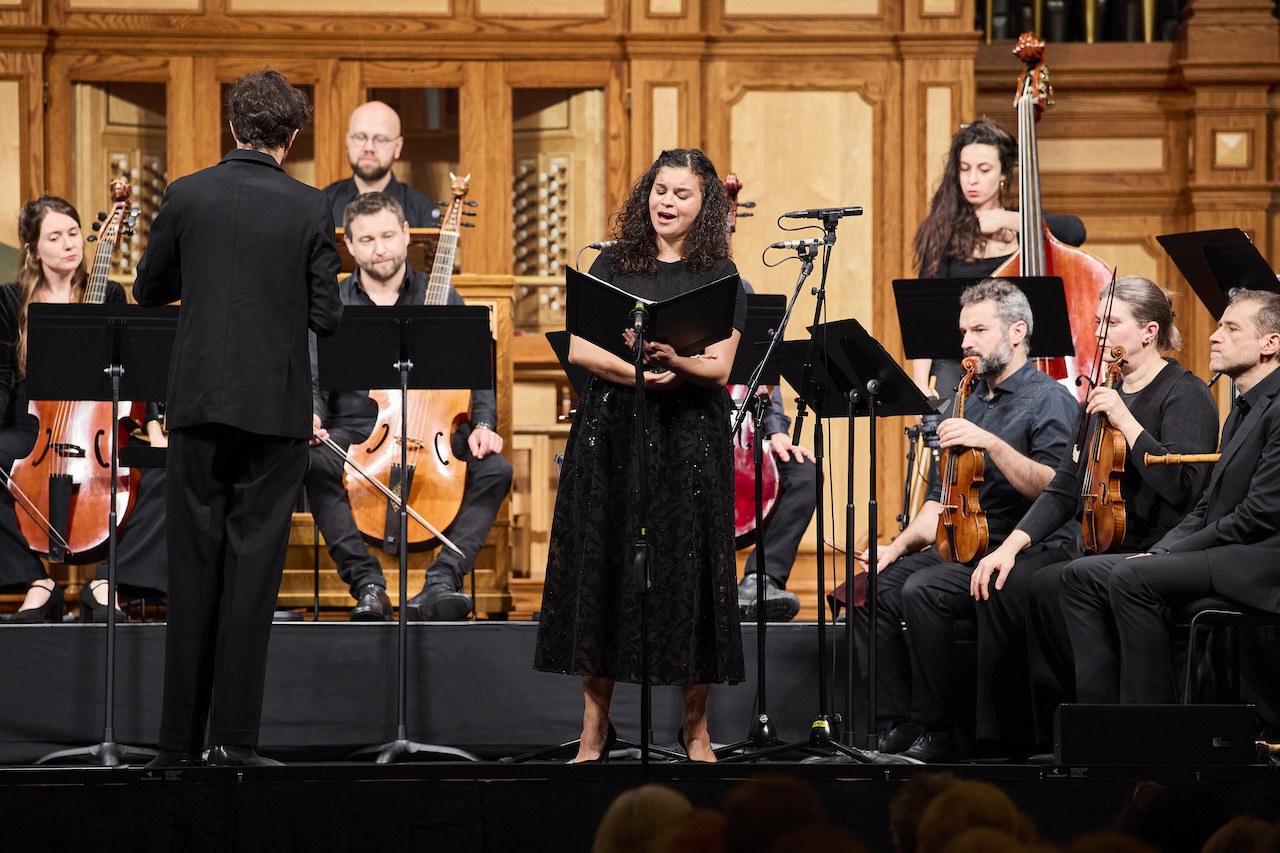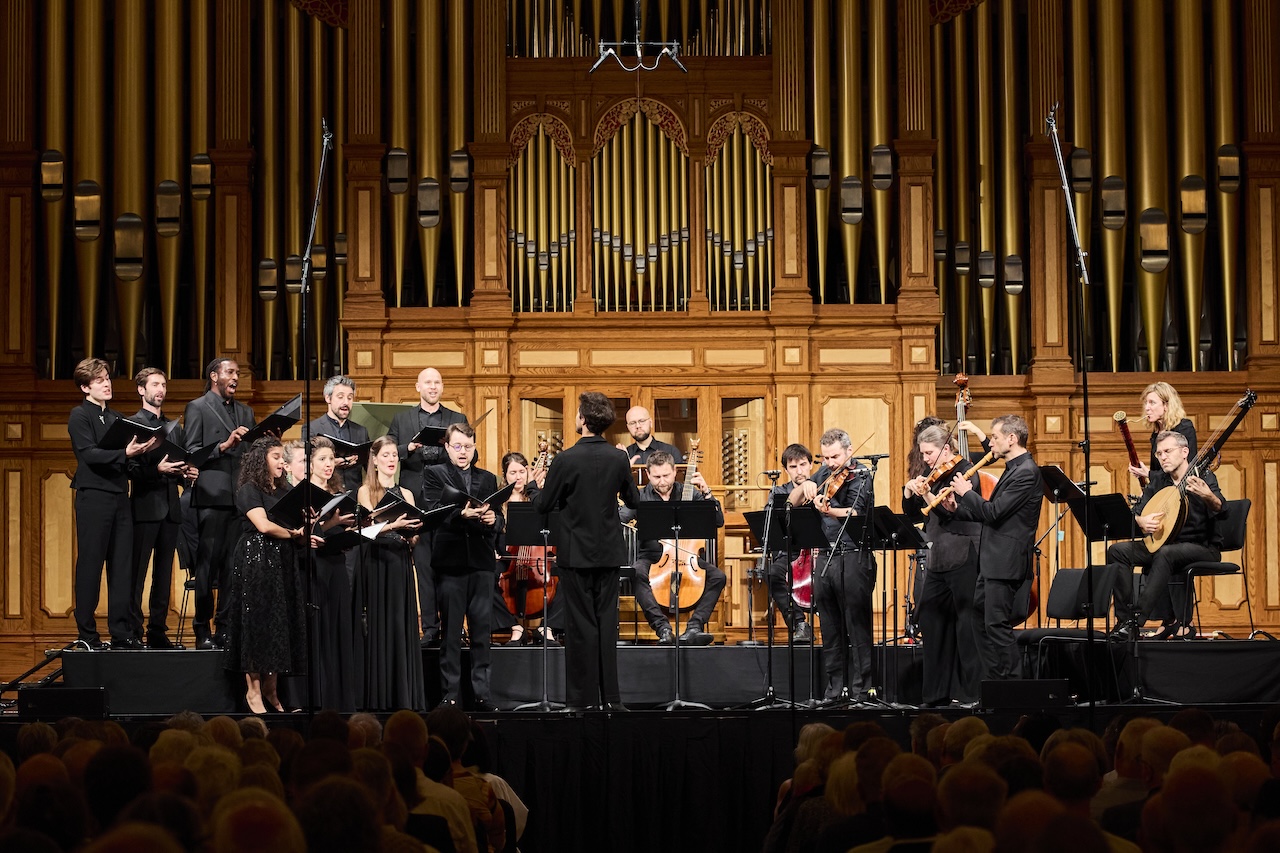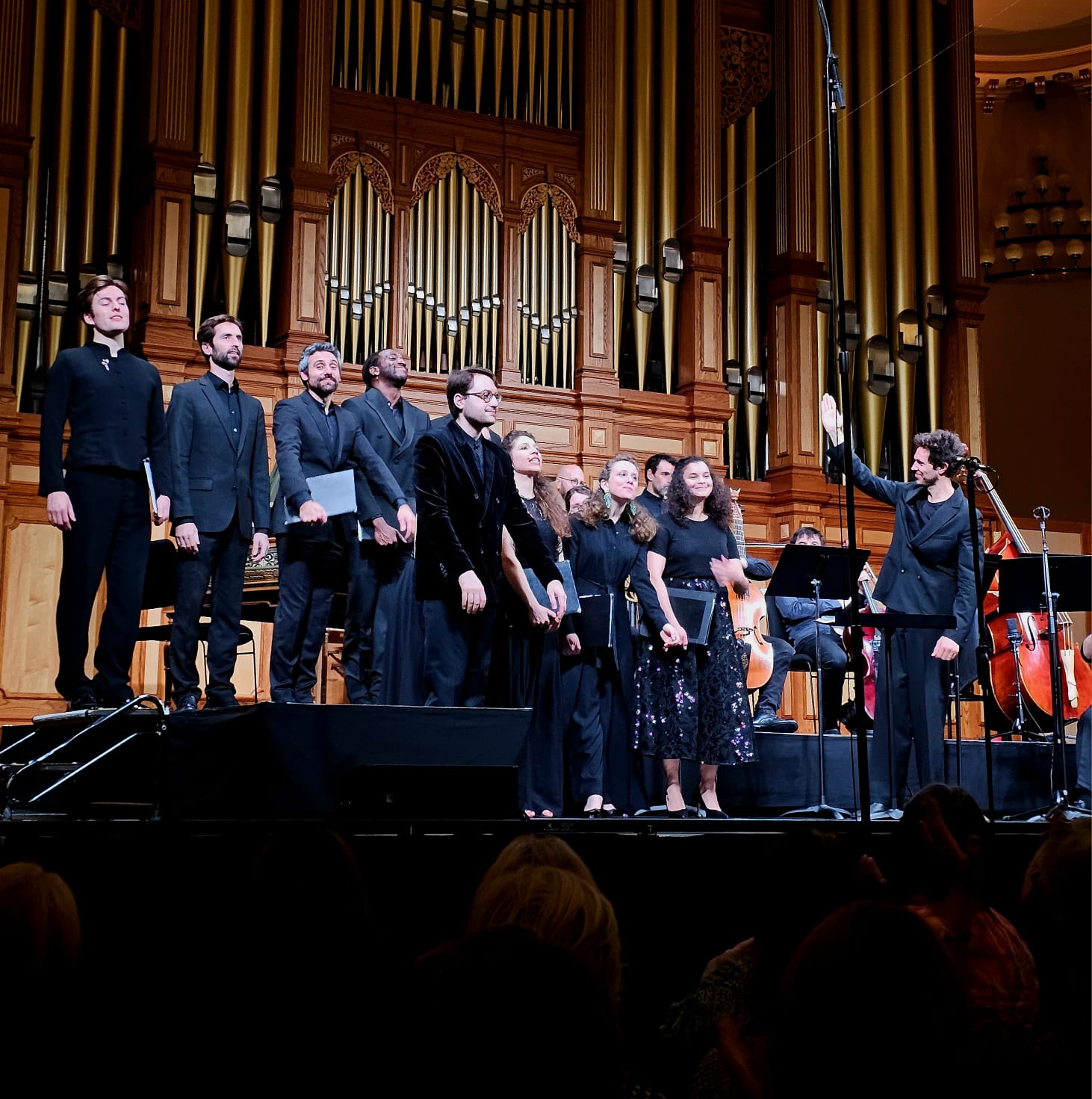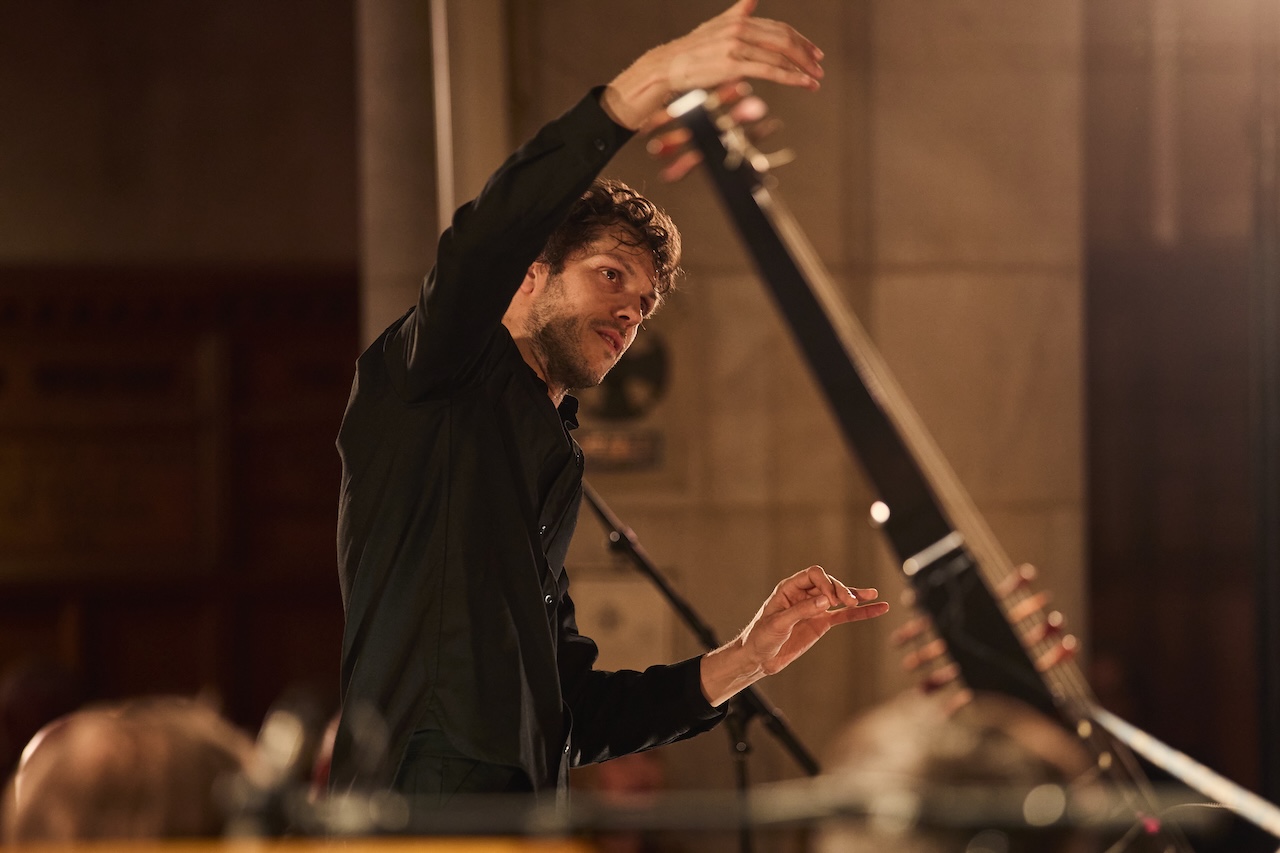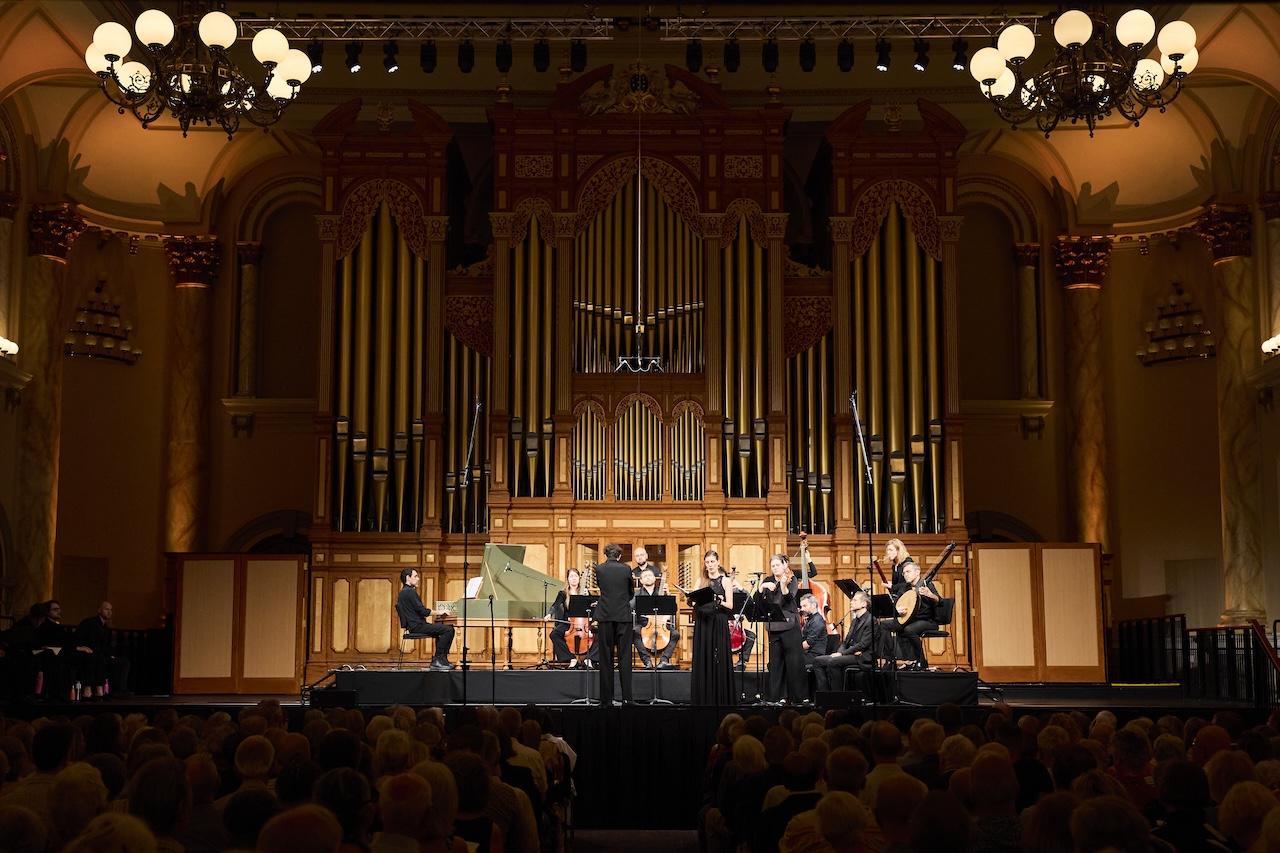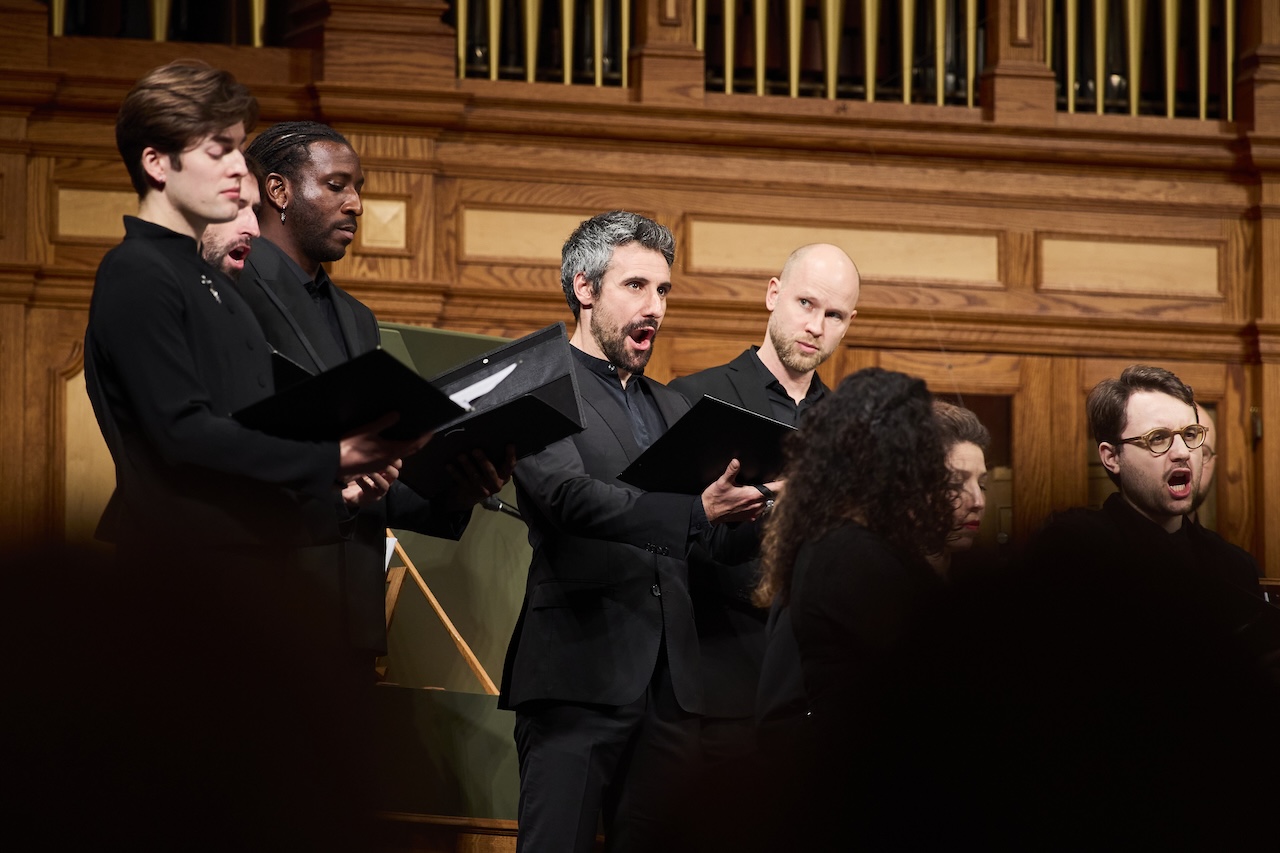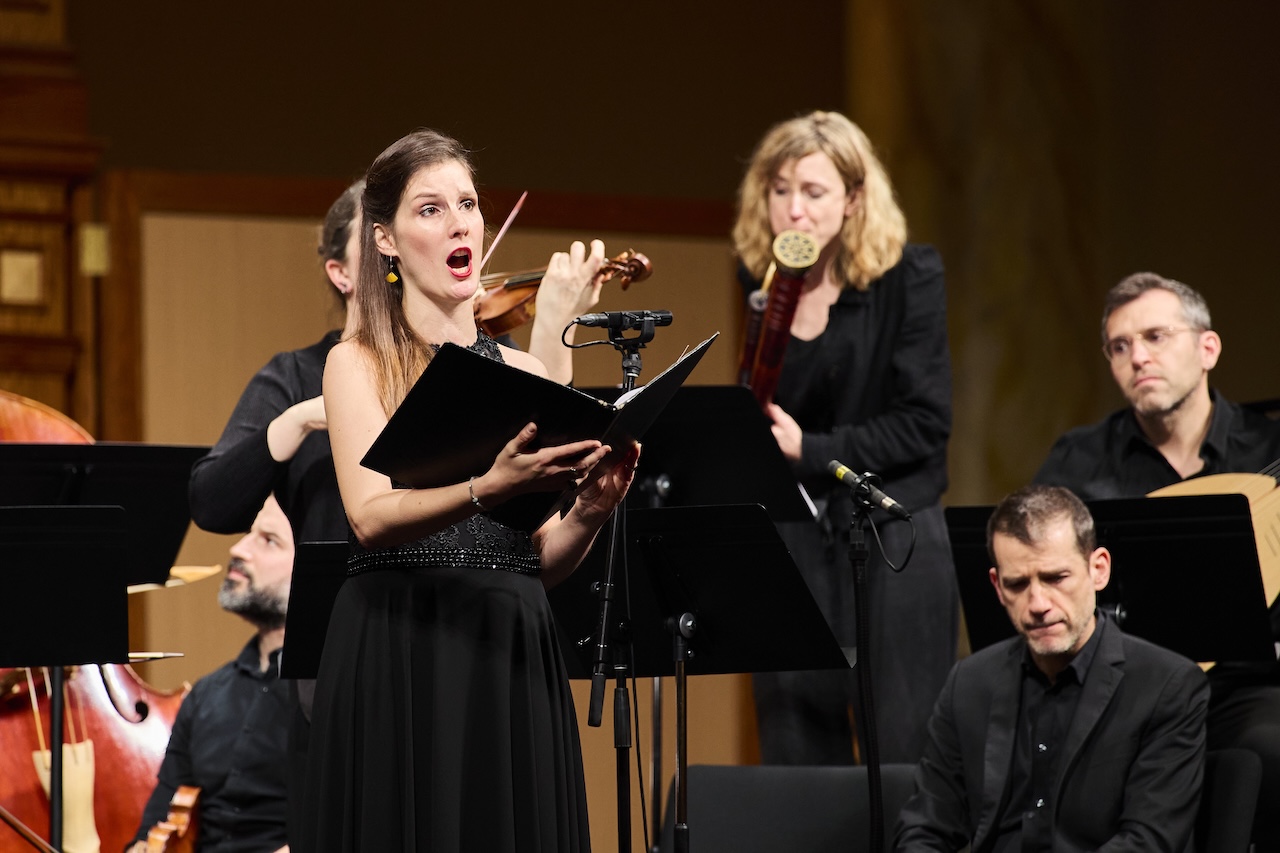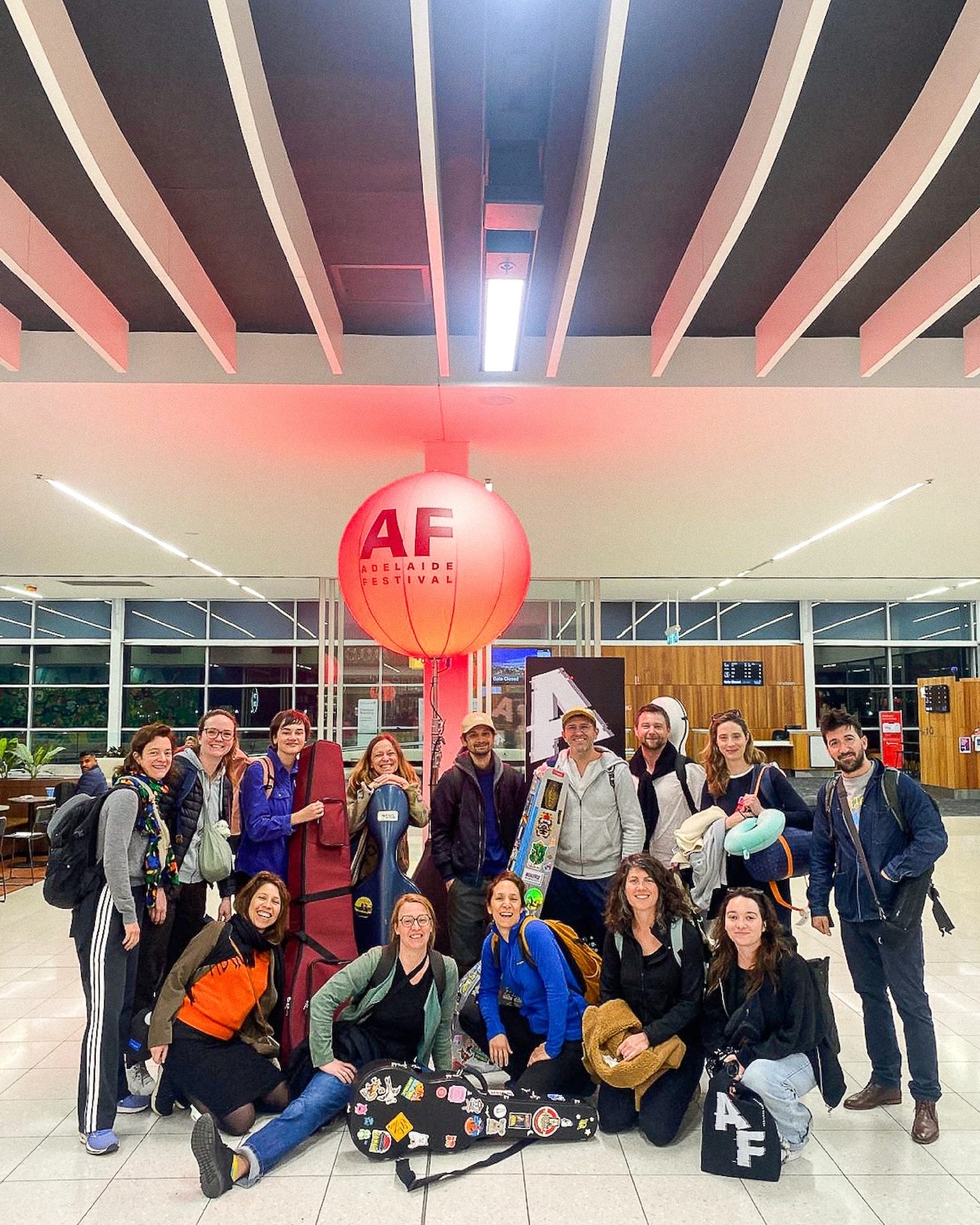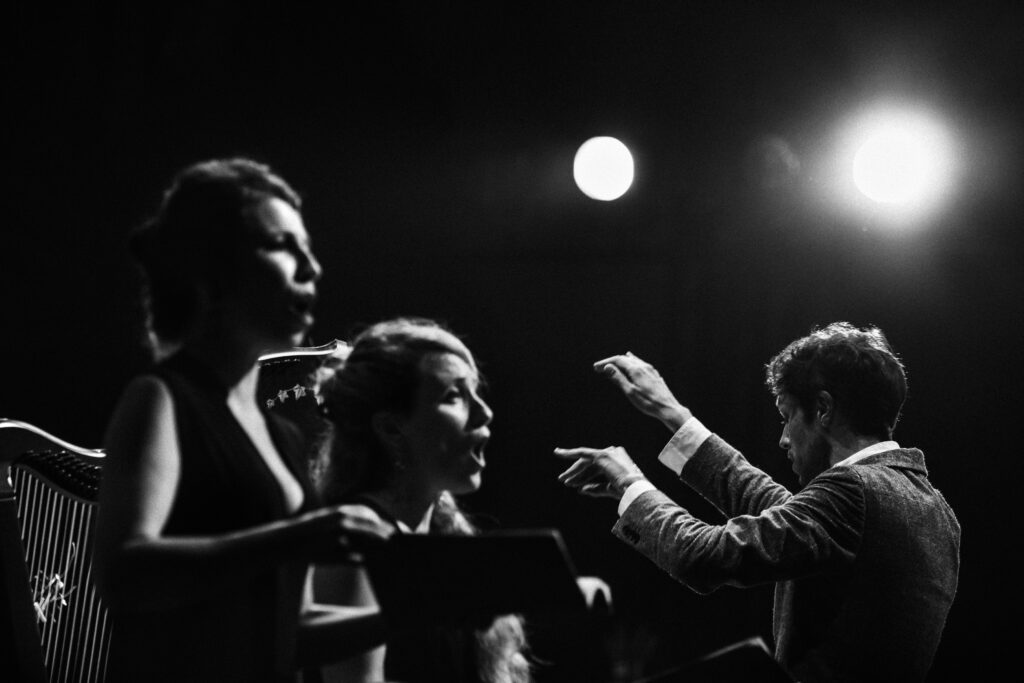
Special event: Pygmalion makes its Australian debut with a residency at the Adelaide Festival (27 February–6 March).
The Thirty Years’ War ravaged Germany in the early 17th century. The population, traumatised by the violence of the conflict, needed consolation and hope. The Protestant faith emerged as a bulwark against the death that lurked in everyday life.
These political, economic and spiritual upheavals were reflected in the music of the time. The great polyphonies of the previous century gave way to much more intimate forms, inspired by the Pietist movement, which encouraged individual faith and pious living. Trostlieder (songs of consolation) began to appear, and music became the language of the soul, capable of soothing the deepest afflictions. The texts and melodies were designed to stir the emotions and edify Christians.
These short pieces, which move us with their humility, are imbued with a rare emotional intensity. And yet, despite their themes of mourning, sorrow and tears, they radiate a luminous clarity and serene confidence in the future. Death is but the threshold of deliverance and eternal bliss.
The young J.S. Bach was strongly influenced by these miniatures, as can be seen in the early cantatas that have come down to us.