Pygmalion is born! First programme of Venetian polychoral music
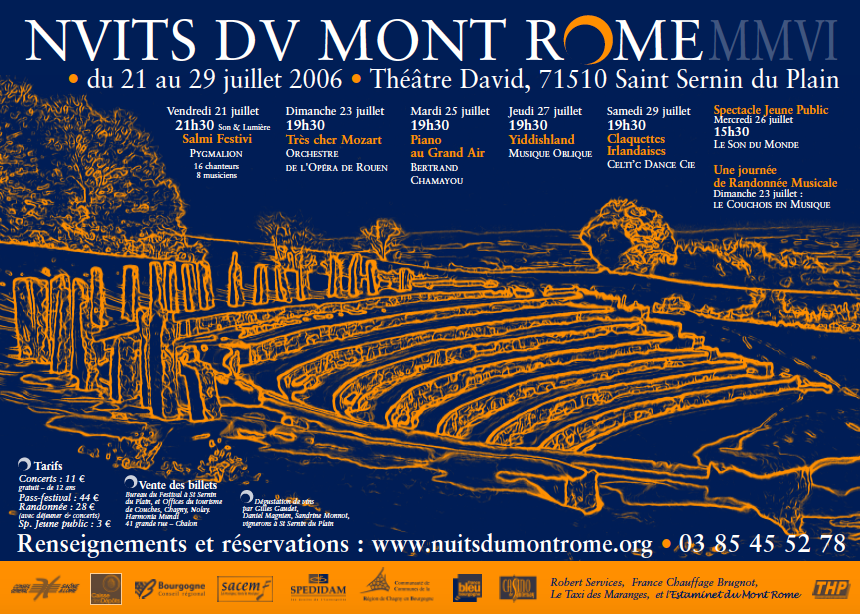
A residency at the Nuits du Mont Rome festival, rehearsals open to the public, a programme of 17th-century Italian music in a natural setting.
With Salmi Festivi, Raphaël Pichon recreated a vespers service such as those that once enlivened Saint Mark’s Basilica in Venice, composed of jubilant psalms and moments of contemplation dedicated to the Virgin Mary.
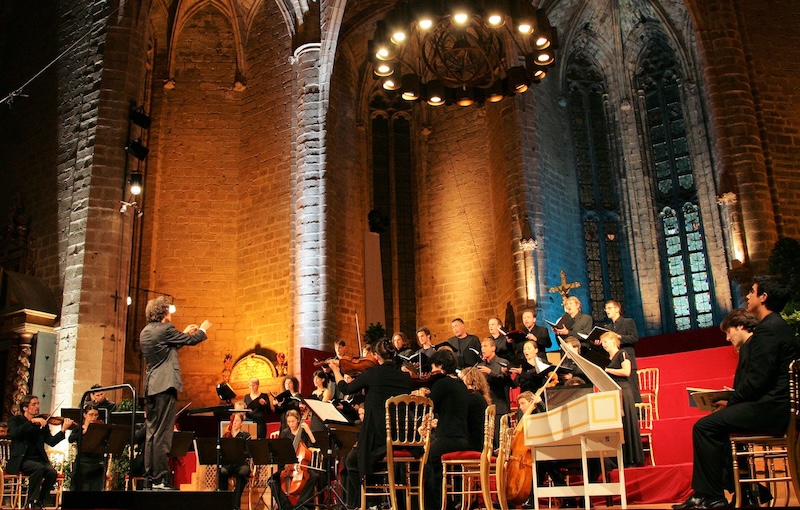
The Théâtre David overlooks the Saône valley. By combining a choir and an orchestra, Pygmalion offered an evening in which visual splendor increased the power of the music tenfold.
‘Under the direction of the young and talented Raphaël Pichon, a spell as case over the audience, who listened in almost religious silence to the wonderful voices of the altos and sopranos . . . rising up under the vaulted ceiling. . . . A sumptuous appetizer!’ (Le Journal de Saône-et-Loire, Chantal Pitelet, 2006)
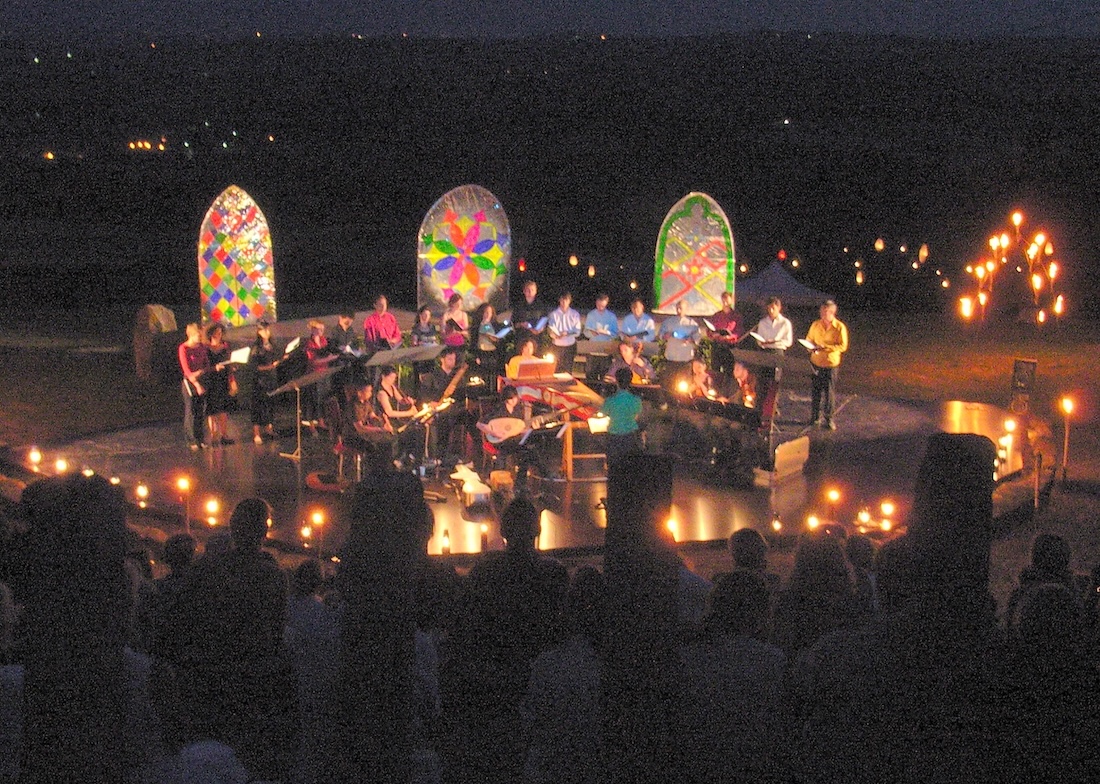
Festival of La Chaise-Dieu, a summer rendezvous for the young Pygmalion
‘Raphaël Pichon has a sense of fluidity and articulation that gives his Bach a narrative boldness and an appealing plasticity. His Bach is also ours. A Bach of fervent tenderness and the fashioning of lofty, moving transparencies. Did fate assign the ensemble the name ‘Pygmalion’? Do not these gifted musicians embrace the music they bring to life? Their playing is focused on both a skilfully premeditated interpretative clarity and an exemplary tonal balance. They celebrate these Missae breves with a stimulating vigour. There is nothing intimidating about this Bach. And yet there is immense respect. Even love.’ (La Montagne, 2007)
‘The music has the freshness and spontaneity of the conductor and those who follow his lead.’ (La Montagne, Roland Duclos, 2010)
‘Raphaël Pichon has confirmed his status as an outsider in the world of Baroque music. This young 28-year-old conductor displays a disconcerting serenity, and a maturity and personality that are remarkable. The search for diaphanous sound combinations, the obsessive balance between voices and instruments, the fluidity of the musical lines, and, above all, the spirituality of the inspiration radiate from the interpretations conveyed as leader of the Pygmalion ensemble.’ (Le Progrès, Antonio Mafra, 2012)
‘The Festival de La Chaise-Dieu and Pygmalion display a beautiful mutual regard.’ (ResMusica, Jean-Noël Démard, 2013)
Festival of La Chaise-Dieu, a summer rendezvous for the young Pygmalion
Pygmalion performed at the Abbey Church of Saint Robert for the first time during the 41st edition of the Festival of La Chaise-Dieu. In this historic venue, long dedicated to sacred music, Pygmalion performed the programme that established its reputation: J. S. Bach’s Missae breves. For Jean-Michel Mathé, then director of the festival, ‘meeting Raphaël Pichon and his ensemble, Pygmalion, was a revelation. Beyond the obvious artistic quality of what I heard, I was struck by Raphaël’s personality: the intelligence and mastery of his interpretation, the high standards set and the warmth extended to his team, an ambition tinged with modesty shown by an intelligent approach to a historically wide-ranging repertoire. He has instantly achieved parity with such leading artists as Philippe Herreweghe and Michel Corboz, while bringing a freshness, commitment, and personal interpretation to his work. This was the beginning of an artistic and personal friendship that has lasted for almost 20 years.’
The summer festival has become an event that showcases the evolution of the ensemble: Bach’s Missae breves, cantatas, Missa 1733, and St John Passion, as well as the first outing by Pygmalion of Brahms’s A German Requiem. In 2016, on the occasion of its 10th anniversary, Pygmalion chose La Chaise-Dieu for the premiere of Stravaganza d’Amore, a great fresco dedicated to the musical interludes first played in the late 16th century at the Medici court in Florence. Opera was born! ‘The climax of this beautifully staged, lively, rousing, and richly rewarding concert was Cavalieri’s Che nuovo miracolo. A magnificent ‘miracle’ and a distillation of Pygmalion’s qualities: youth, accuracy, infectious energy and imagination, much appreciated by the audience.’ (ResMusica, Jean-Noël Démard, 2016)
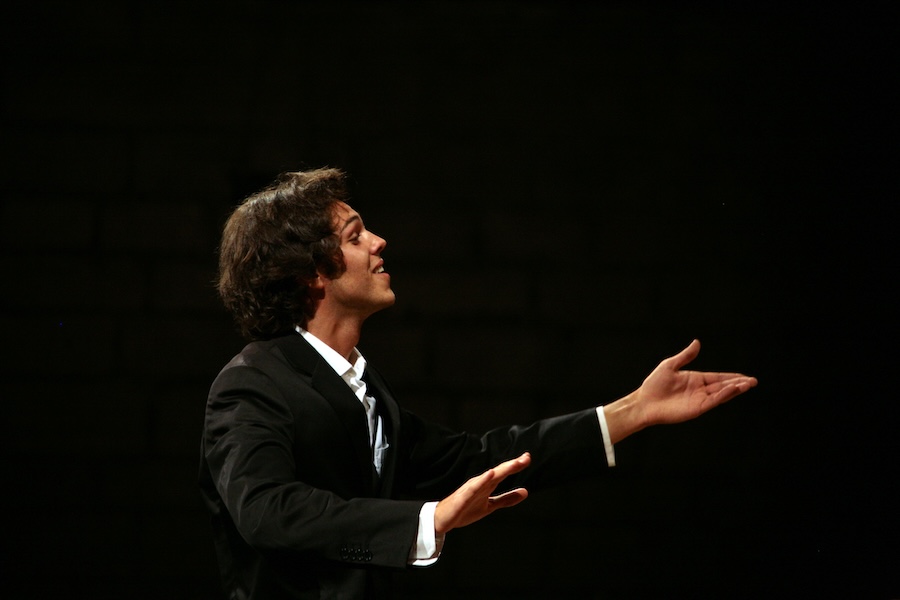
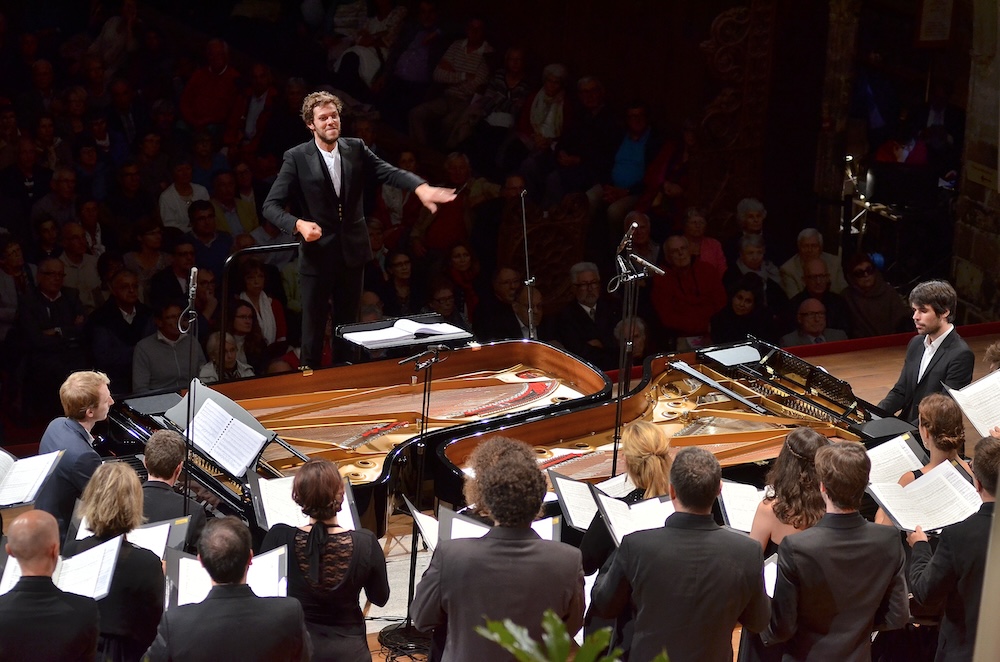
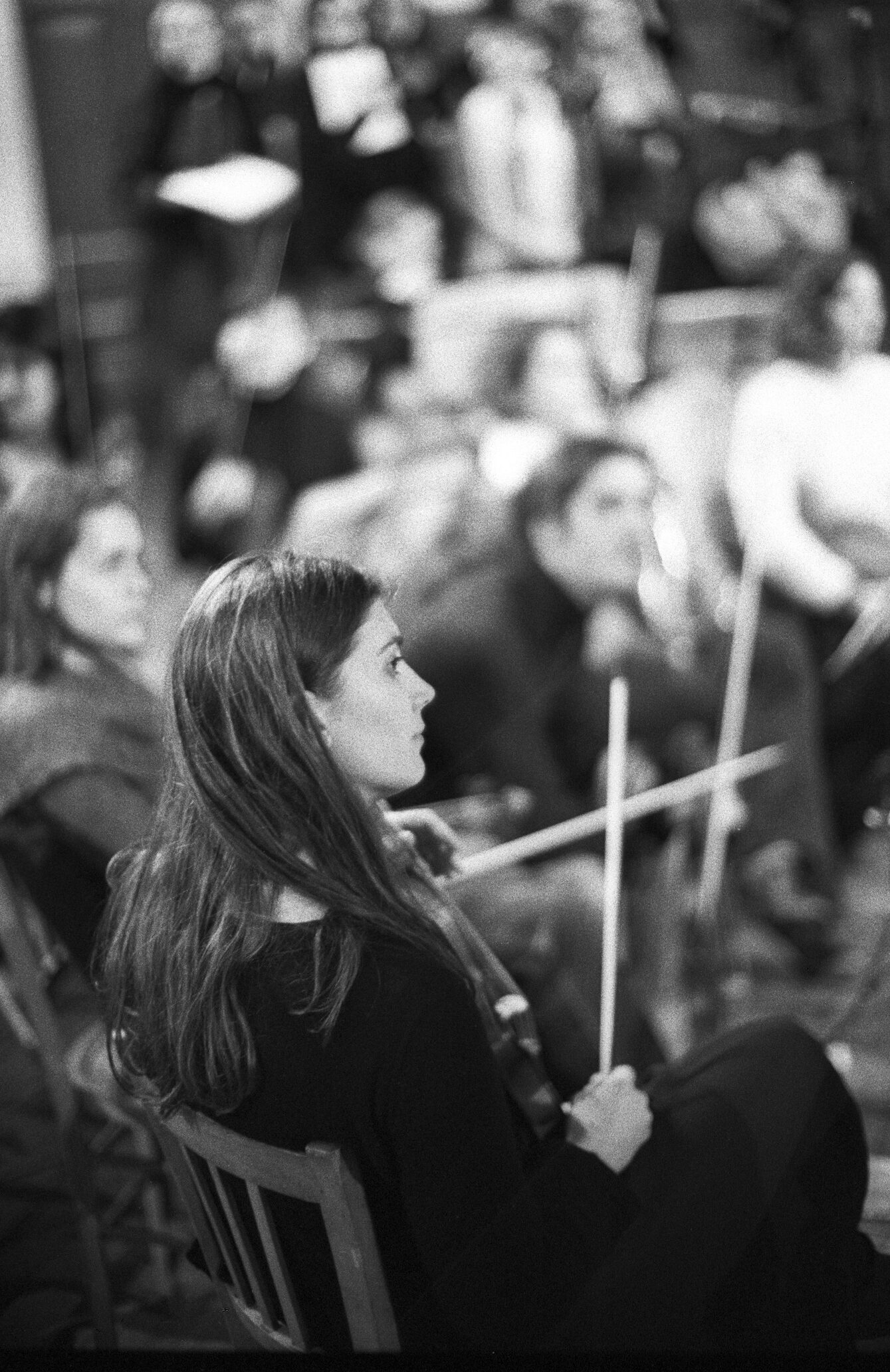
‘What struck me most about this recording was the emergence of a new ensemble: from a group of singer and musician friends, we have evolved into a professional ensemble full of enthusiasm, high standards, and generosity. This recording truly crystallized this project, based on a fusion of musical excellence and human adventure.’ (Raphaël Pichon)
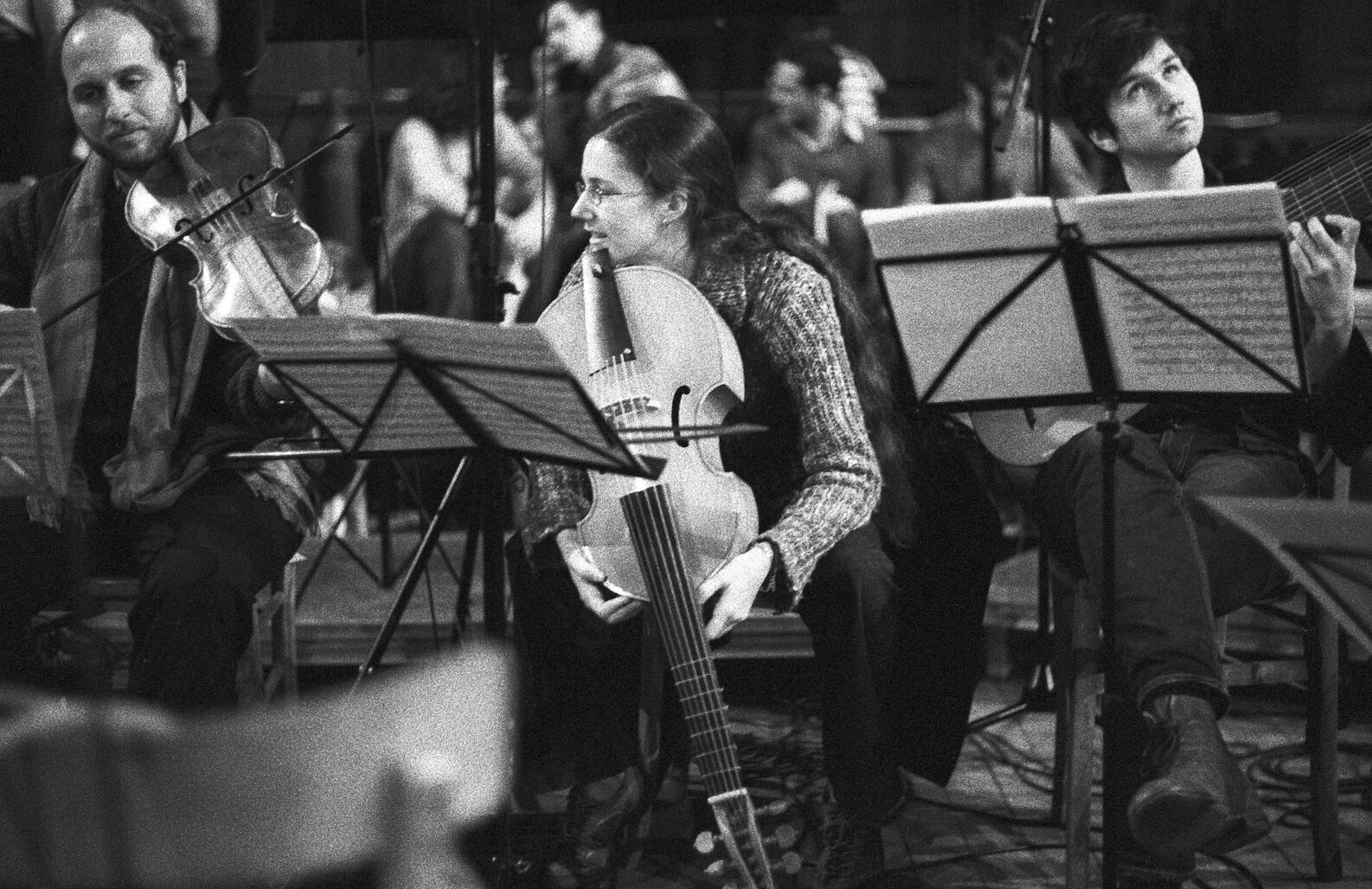
A first album devoted to Bach’s <em>Missae breves</em>
Pygmalion’s first recording, the Missae breves, blazes a trail, affirming an adventure that brings together a choir and an orchestra thinking through and playing a piece by Bach belonging to what Raphaël Pichon likes to call the composer’s ‘corridor works’. Those works make up a fertile and exciting repertoire that can nourish our understanding of more frequently recorded works such as the passions.
‘The Missae breves were relatively unknown, overshadowed by the passions and the great Mass in B minor. Their length and form made them ideal for young musicians like us. These little gems are both extremely exciting and ambitious, and they have the advantage of being played less often than other pieces. The mixture of exaltation, joy, drama, exuberance, and energy that these short masses convey suited us well, I think. This recording was a decisive step in the young history of Pygmalion, as we were fortunate enough to get people talking about it—and about us.’ (Raphaël Pichon)
‘Missae breves BWV 234 and 235, which are rarely performed, are not the composer’s most demonstrative works at first glance, but Raphaël Pichon and his troops infuse them with a fervour and a most spiritual joy, producing an inspiring effect. A resounding success, with Diapason d’Or of the Year and Editor’s Choice from Gramophone magazine. The other short masses were recorded shortly afterward. This first Pygmalion disc immediately and spectacularly launched one of the most creative ensembles and conductors of the moment.’ (France Musique, Lionel Esparza, 2025)
The operatic debut: a Rameau cycle at the Beaune Festival
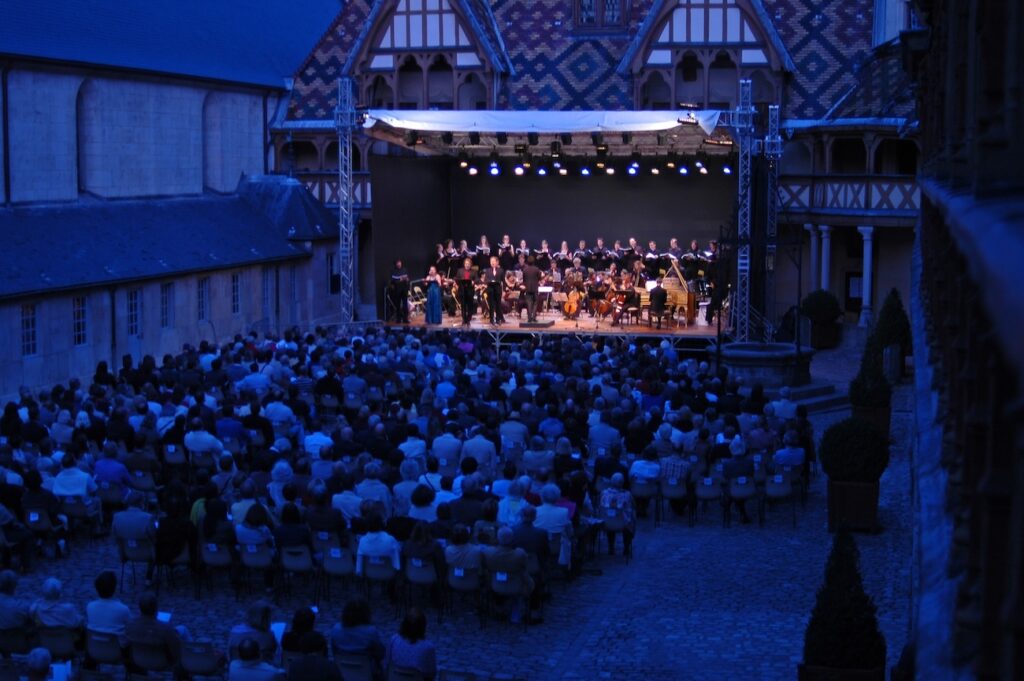
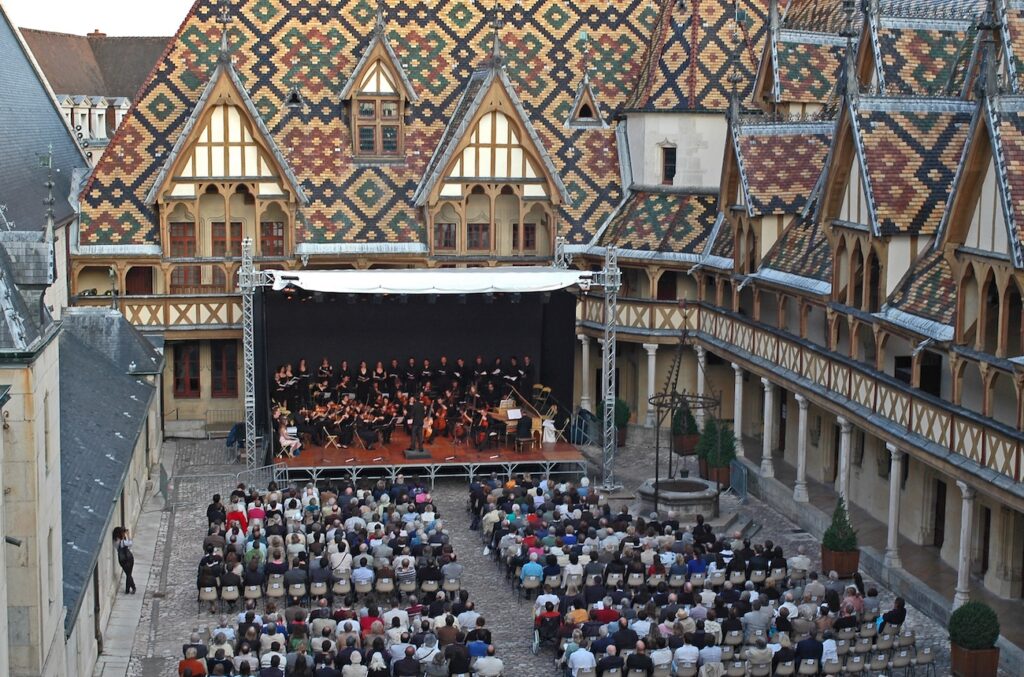
In 2011, Pygmalion opened the opera chapter of its project at the Beaune Festival with Jean-Philippe Rameau’s Dardanus. This title inaugurated a cycle devoted to the composer’s lyric tragedies, celebrated in his native Burgundy. Pygmalion returned the following year with Hippolyte et Aricie, then Castor et Pollux in 2013, and Zoroastre in 2016. Rameau has become an integral part of Pygmalion’s identity. Dardanus was also Pygmalion’s first staged production, directed by Michel Fau at the Opéra de Bordeaux.
Raphaël Pichon favours the later editions of these lyric tragedies: premiered in 1739 at the Palais-Royal and criticised for its libretto, Dardanus was reworked by Rameau, who offered a new version in 1744. The same is true for Hippolyte et Aricie, premiered in 1733 and revised in 1757. In 2013, he explained: ‘These later versions were written ten or even twenty years after the works’ creation, and thus benefit from all the experience of a composer who had been composing operas for thirty years. They go straight to the heart of the matter, while offering a wealth of new music and numerous increasingly rich and refined reorchestrations.’
The operatic debut: a Rameau cycle at the Beaune Festival
‘Raphaël Pichon, a future great. He already has the charisma of a true maestro. Here is the next generation of our great Baroque conductors.’ (Le Figaro, Christian Merlin, 2011)
‘The Pygmalion orchestra and choir, conducted by the visibly inspired Raphaël Pichon, were excellent from start to finish. It was cold in the courtyard of the Hospices de Beaune, but this Dardanus warmed our ears and our hearts.’ (Le Monde, Marie-Aude Roux, 2011)
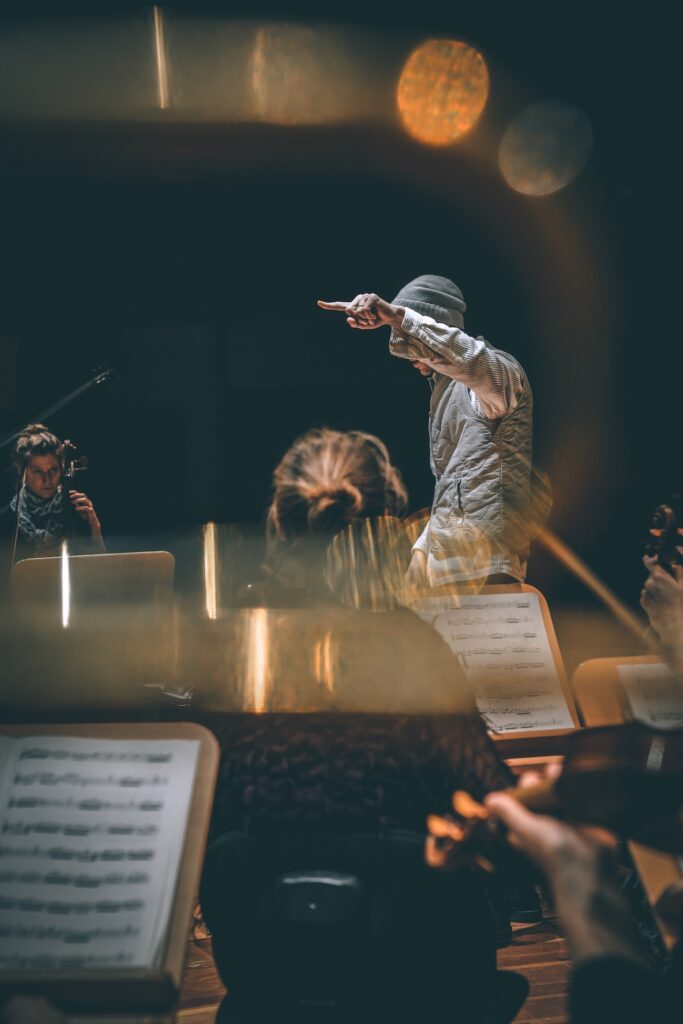
Pygmalion, artist-in-residence at the Opéra National de Bordeaux
Numerous exceptional concerts have been held at the Auditorium, the Grand Théâtre, and in unconventional settings: Rossi’s Orfeo, Purcell’s Miranda, Mendelssohn’s Elias, Mozart’s Requiem, Monteverdi’s Vespers (at Basilique Saint-Seurin), Enfers with Stéphane Degout, as well as numerous projects dedicated to Bach. The ONB and Pygmalion have succeeded in attracting a large and loyal audience.
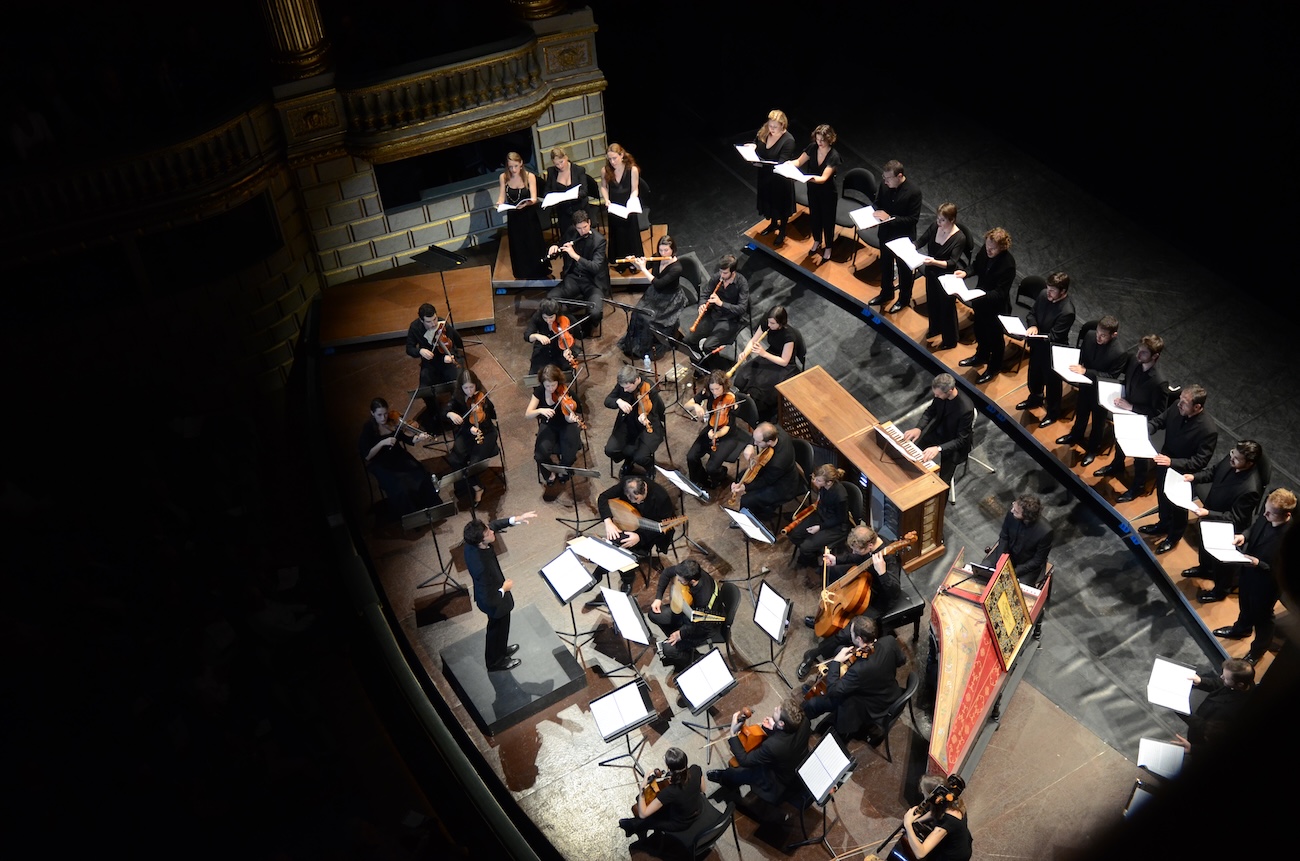
Pygmalion, artist-in-residence at the Opéra National de Bordeaux
With strong ties to Bordeaux since 2010, Pygmalion formally took up residence at the Opéra National de Bordeaux in 2014, with programmes focusing on Bach, Mozart, and Rameau. In the following year, Dardanus would become the first opera to be staged by Pygmalion (stage director: Michel Fau).
A long-term residency has provided artistic support for the ensemble’s projects, ensured continuity of programming for the Bordeaux public, and enabled the development of long-term educational and regional projects. Every two years, co-productions between the Opéra National de Bordeaux and Pygmalion appear as part of the Pulsations festival, which features novel repertoire and settings, as the listening experience extends beyond the usual formats and outside the walls of the usual venues.
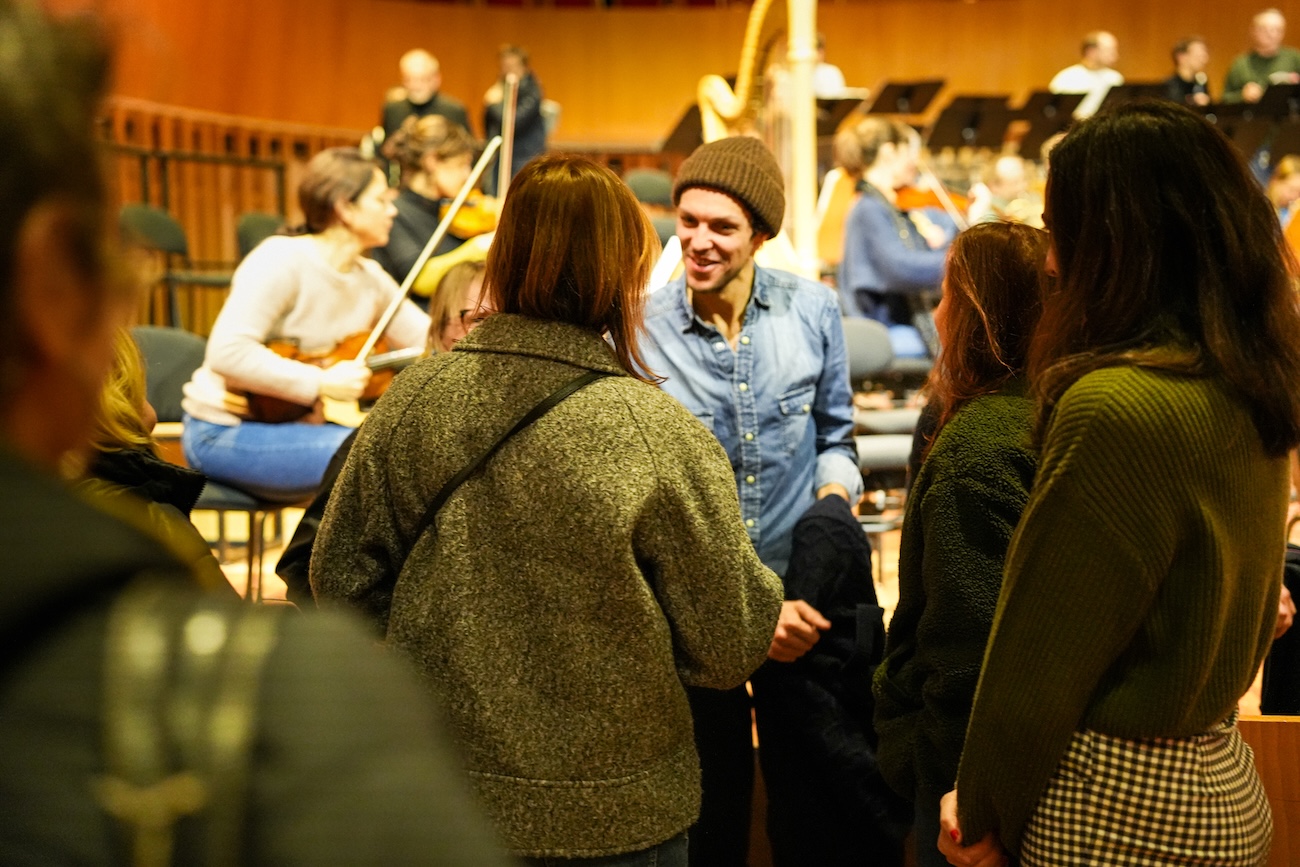
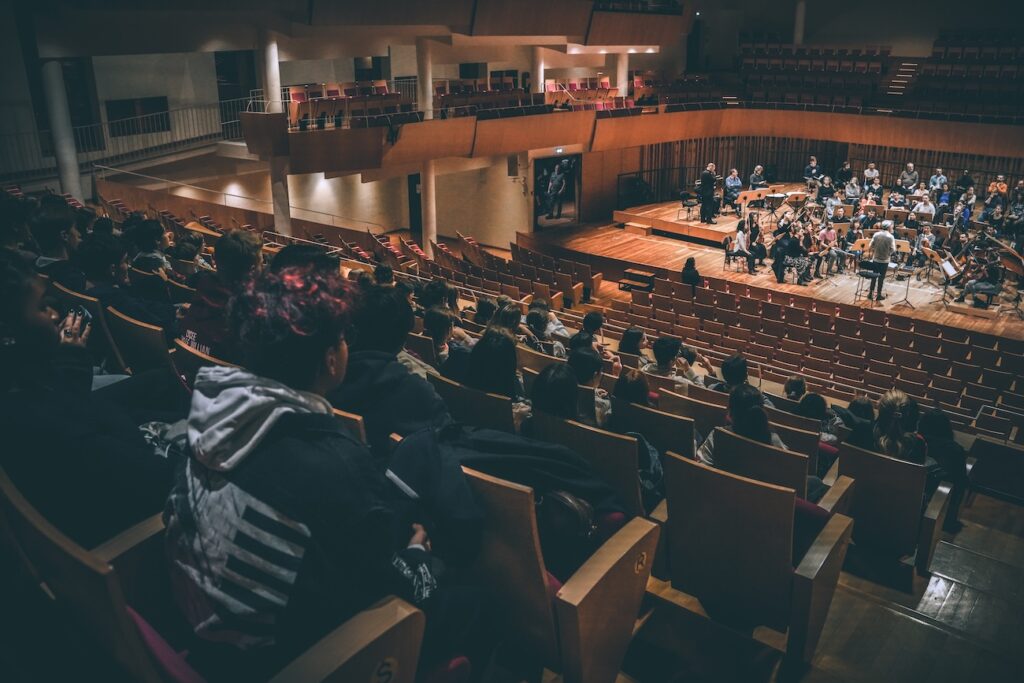
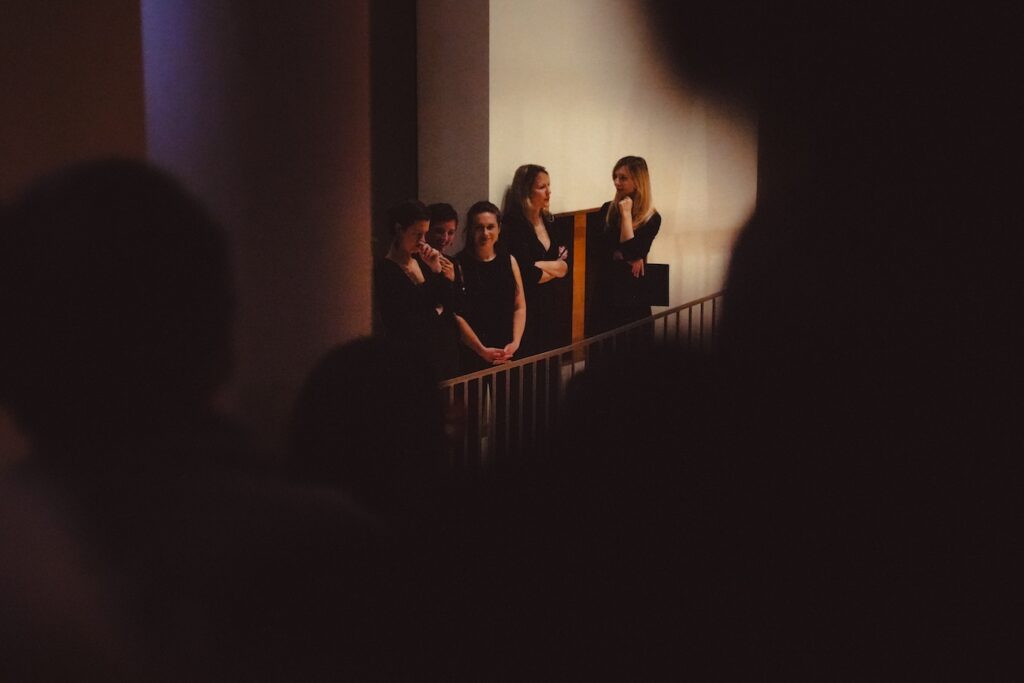
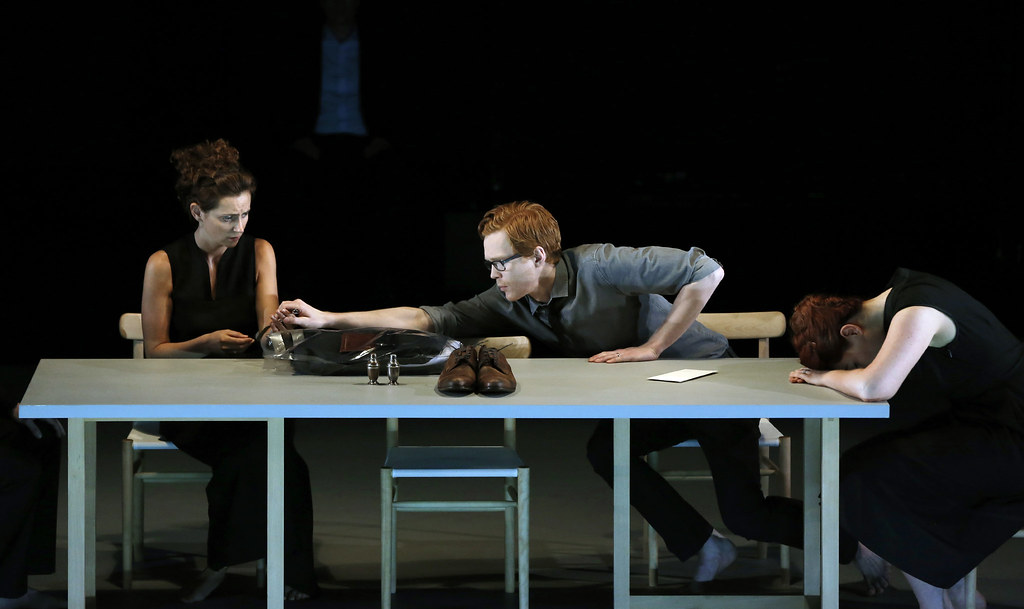
Trauernacht : la métamorphose de cantates de Bach au festival d‘Aix-en-Provence
For his debut at the Aix-en-Provence Festival, Raphaël Pichon joined forces with British director Katie Mitchell. They chose the universal theme of mourning, explored through excerpts from cantatas by J. S. Bach (BWV 8, 60, 90, 147, 146). Although Bach never composed an opera, Mitchell’s staging highlighted the theatricality of his music in perpetual dialogue with death.
This ‘night of mourning’ is a minimalist, intimate work of meticulous realism, reflecting the range of emotions at work in Bach’s music. It is a journey of initiation for man facing his own mortality. First performed with young musicians from the European Music Academy, the work was taken on tour by Pygmalion to Amsterdam, Valencia, Caen, Arras, Paris, and Lisbon.
Building on this first collaboration, Pichon and Mitchell created Miranda in 2017, a semi-opera drawing on the music from Henry Purcell’s opera The Tempest, presenting Shakespeare’s characters in a resolutely dynamic and contemporary style. Miranda marked the beginning of a partnership with the Opéra-Comique. Since then, Pygmalion has presented a new production there every season.
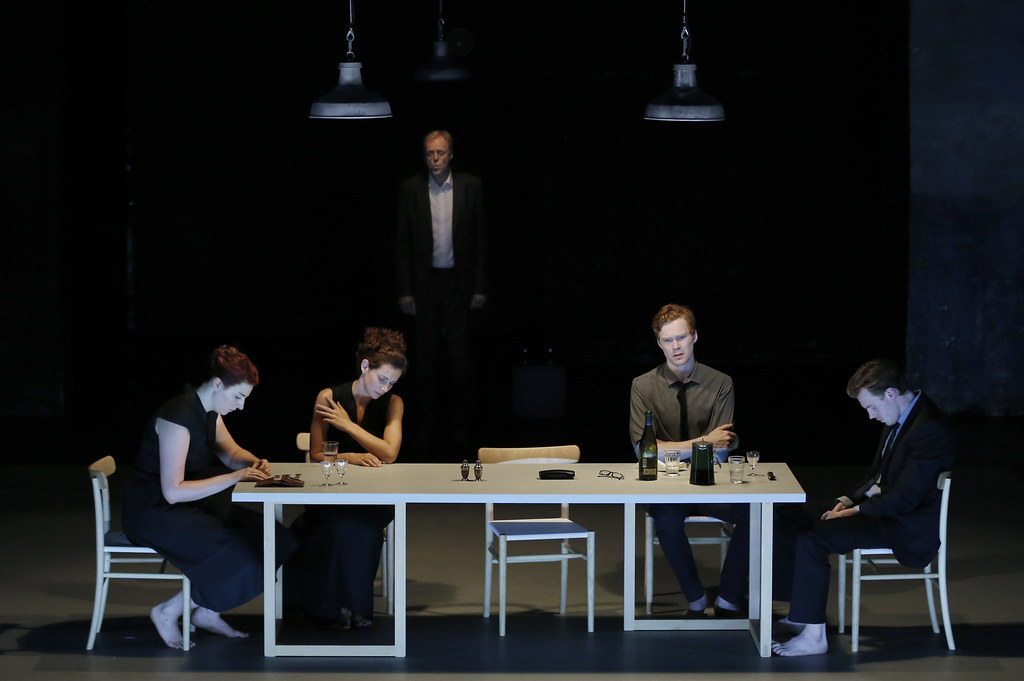
Trauernacht: the transfiguration of Bach’s cantatas at the Aix-en-Provence Festival
‘Katie Mitchell transforms Bach’s cantatas into hybrid works, somewhere between opera, theatre, and concert. ‘Katie Mitchell, like many artists, is obsessed with death, and it is true that there is something dark, bitter, and harsh about Bach, even if tinged with comfort. Trauernacht is an exciting adventure,’ explains conductor Raphaël Pichon.’ (Libération, Guillaume Tion, 2014)
‘What one admires most is the selection of the musical excerpts and their sequencing: from rebellion to tranquility, they survey the entire range of feelings covered by Bach’s oeuvre, creating contrasts and a progression of such coherence that we forget it is a potpourri. It feels like we are watching a great cantata or a mini-opera.’ (Le Figaro, Christian Merlin, 2014)

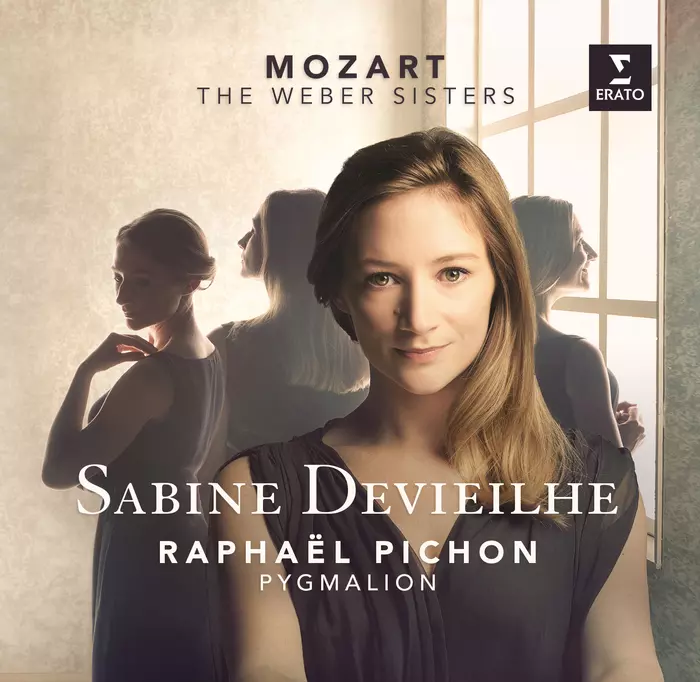
A symbol of the composer’s awakening to love, the Weber family was present at every stage of the last fifteen years of Mozart’s life.
Through four tableaux, this programme paints a rich portrait of three sisters to whom Mozart turned for romance and musical inspiration, Aloysia, Josepha, and Constanze Weber, each embodying a different stage in the creative life of one of the most passionate composers in the history of music.
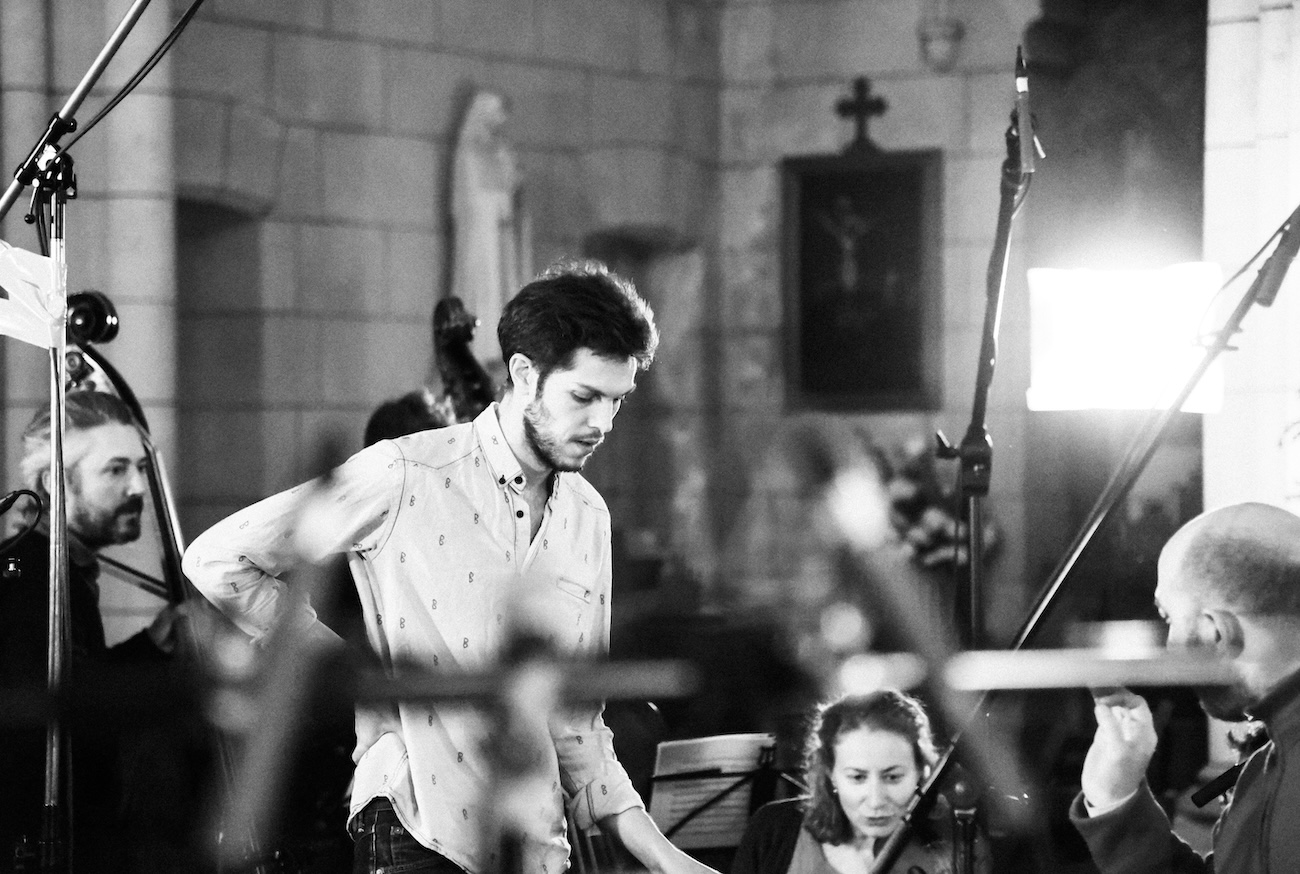
The Weber Sisters: Mozart’s First Steps
‘The desire to record Mozart is neither original nor recent for me. Where did this feeling of being on familiar ground come from, which I have had since my earliest childhood? Why is his music what I choose to offer first to the novice as much as to the connoisseur? I understood the answer when I discovered the unique relationship that bound him to the Weber sisters.’ (Sabine Devieilhe)
‘Bursting with youth, enthusiasm, and respect for music, this original recording is much more than a confirmation of the talent of an exceptional soprano: it is an act of truest culture.’ (Opéra Magazine, Richard Martet, 2015)
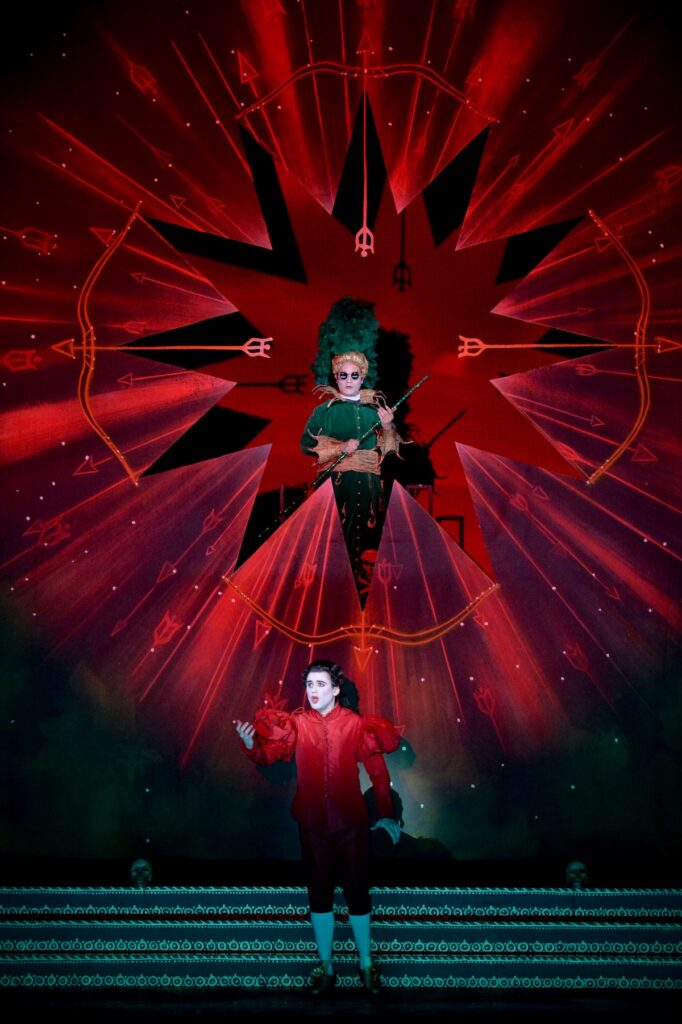
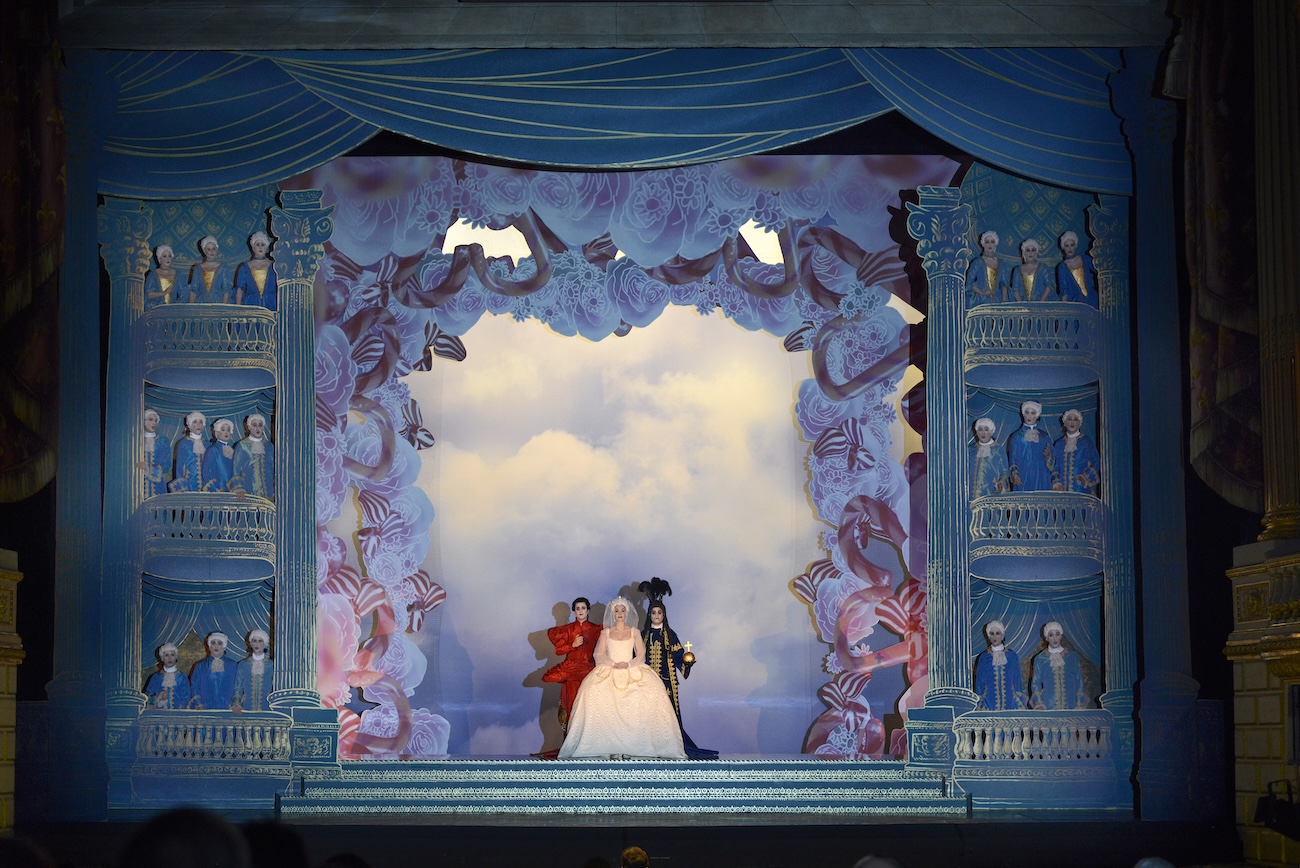
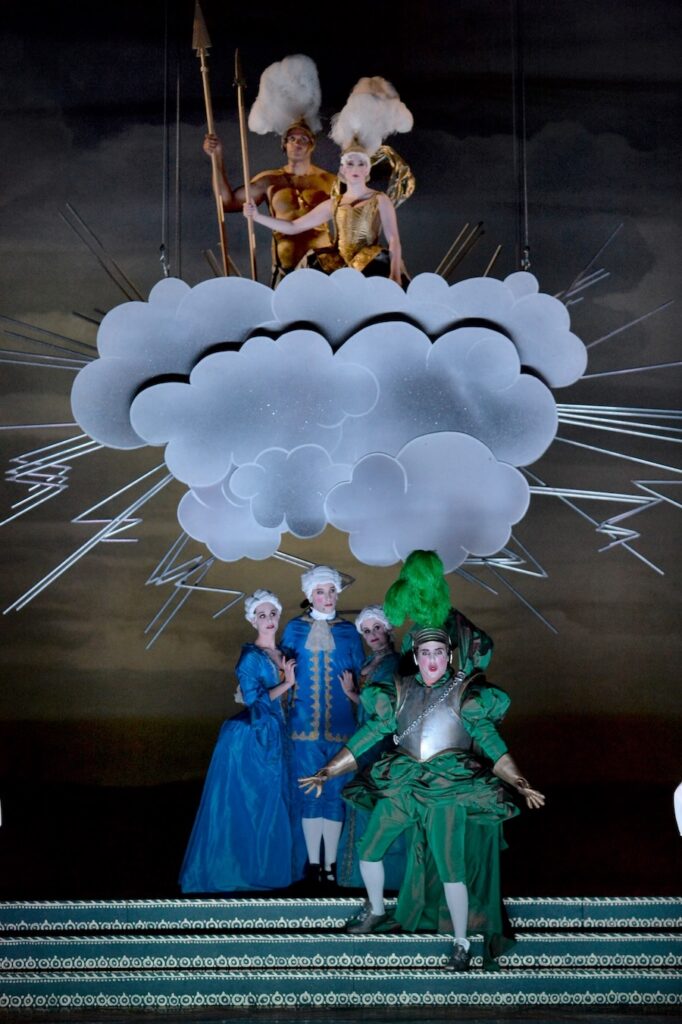
‘The setting is a replica of the Bordeaux Opera House with its antique columns, Corinthian capitals and small balconies where the choir members take their places, becoming spectators and commentators on the action. Use gestures that are not natural but affected, in keeping with the exceptional nature of the characters and situations they experience. Assume the ballets, the static nature of the action, the implausibilities of the plot. Respect the dramatic impulse, its slowness, its digressions, even its missteps, but do not allow any dead time to set in, all with humour. These options are also those of Raphaël Pichon, whose conducting shows similar inventiveness. Reinvented, the music of Dardanus springs spontaneously, limpid, fluid, lively, alert, skilful but always youthful. No surprise there from the founder of an ensemble whose name was inspired by a ballet by Rameau: Pygmalion!’ (Forum Opera, Christophe Rizoud, 2015)
‘Michel Fau offers the audience an ‘excessive and aesthetic frenzy’. His staging, carried by exceptionally modern sets and costumes, transports us to a unique universe. Rameau’s original and prolific work, presented at the Grand Théâtre de Bordeaux under the direction of Raphaël Pichon, is enjoying an exceptional renaissance.’ (Bachtrack, Roxane Gennaoui, 2015)
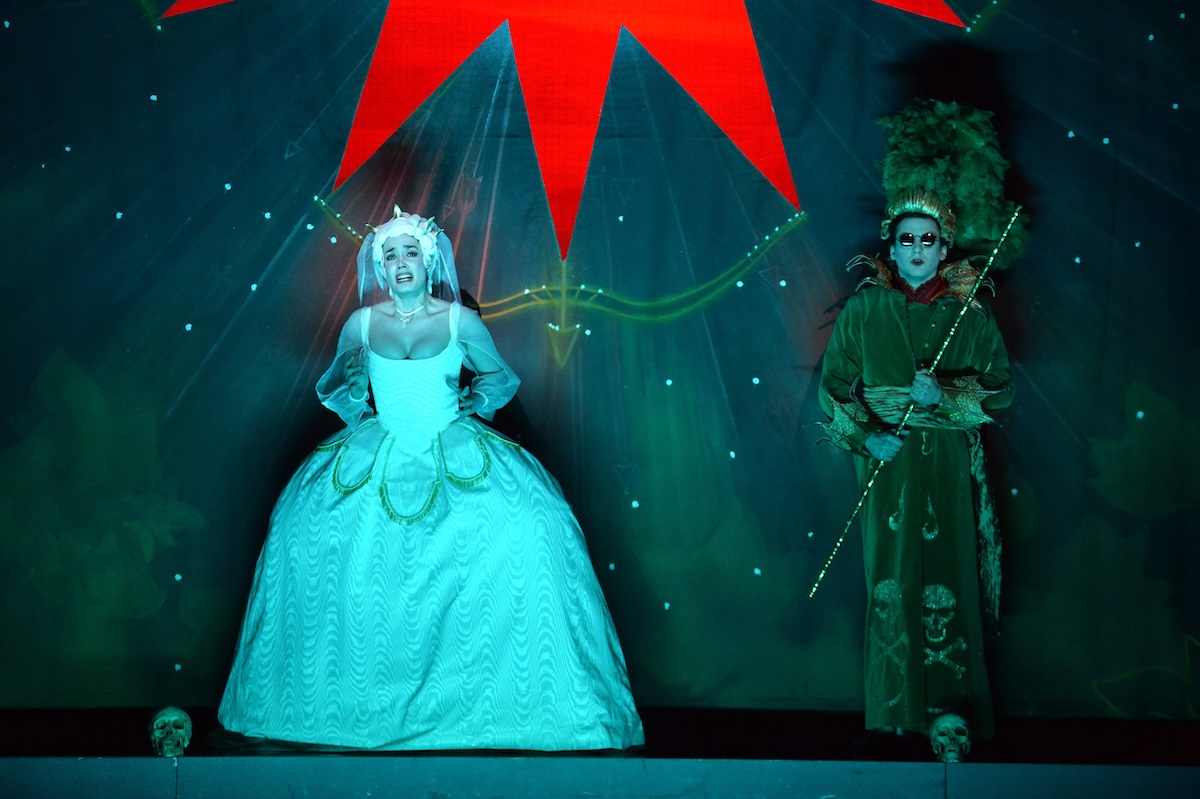
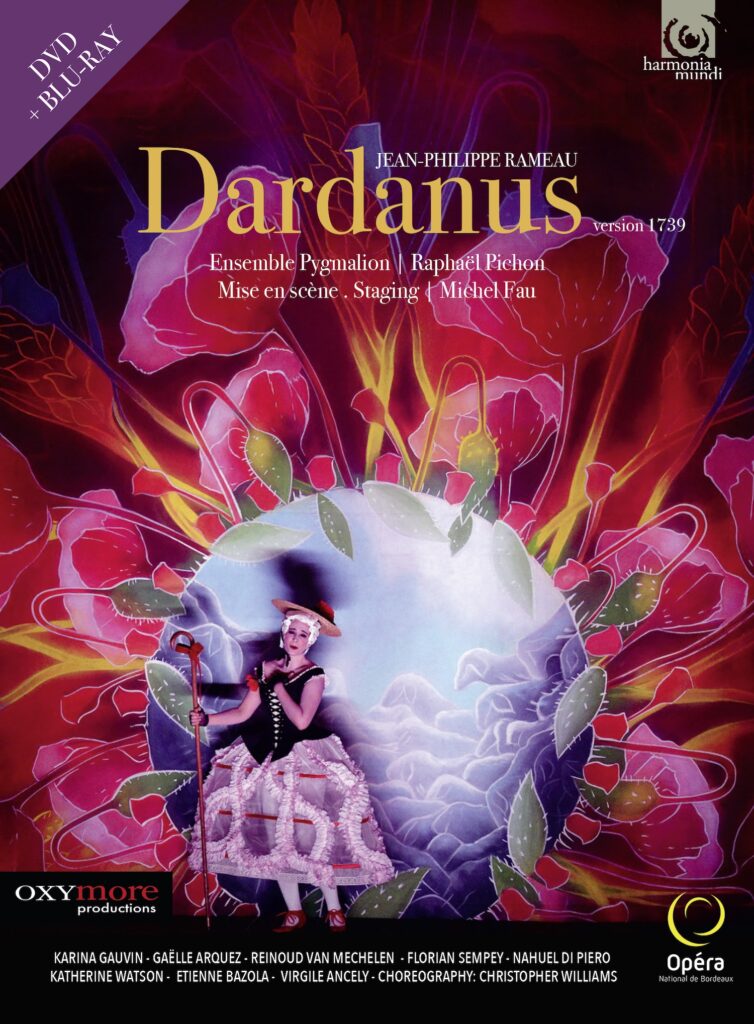
Dardanus, the first opera staged: a marvel of colours, a magic of voices!
Dardanus is the first opera staged for Pygmalion, the highlight of the ensemble’s residency in Bordeaux. Among six tragedies, Dardanus is undoubtedly the work in which Rameau’s multifaceted genius is most fully apparent. The importance given to the orchestra in accompanying the singing reaches full maturity here. The libretto presents all the ‘themes’ of French opera: thwarted love, the valour of the secretly loved hero, the visionary magician and the infernal spirits. Michel Fau’s staging pushes the baroque spirit to its peak: bright colours, extravagant costumes, dances and digressions to ‘reinvent 18th-century opera’, in his own words! Amidst the glitter, buds and flowers, and the sea stirred up by Neptune’s anger, Karina Gauvin, Gaëlle Arquez, Reinoud van Mechelen, Florian Sempey, Nahuel di Pierro, Katherine Watson, Etienne Bazola, Virgile Ancely and Guillaume Gutiérrez portray whimsical and humorous characters.
The opera was awarded the 2015 Grand Prix (Best Lyric Show of the Year) by the Professional Union of Theatre, Music and Dance Critics.
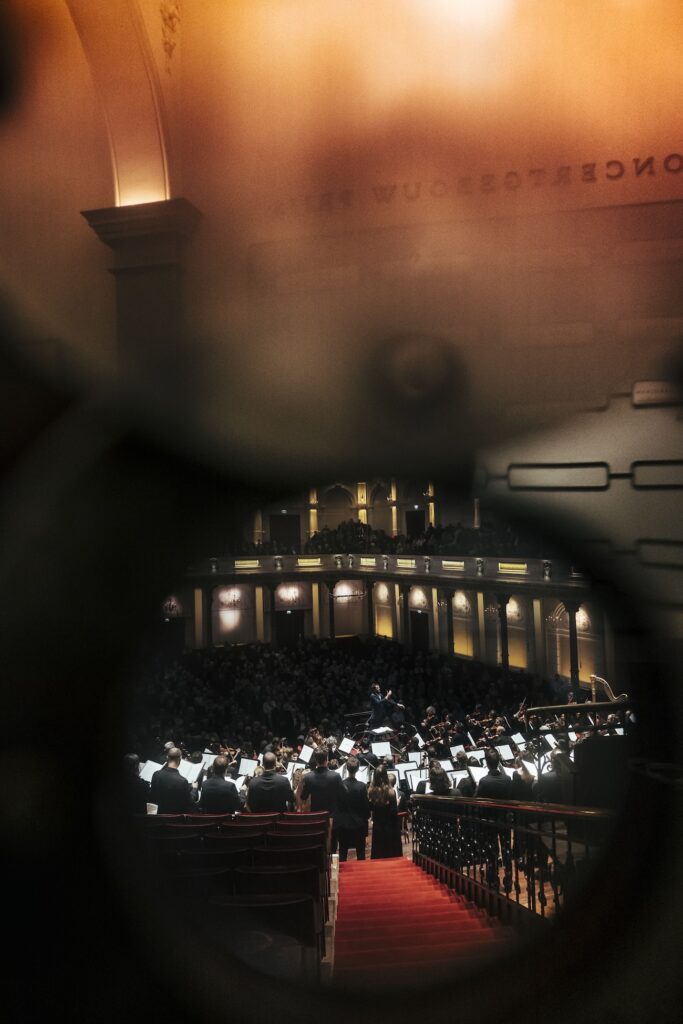
‘A successful romantic turn for Pygmalion. A repertoire that suits Raphaël Pichon and his ensemble superbly. The conductor demands from his choir ‘the same rhetoric as in Bach, the same way of treating the text to make it palpable and theatrical’ (Classykeo, Séverine Garnier, Dec. 2016)
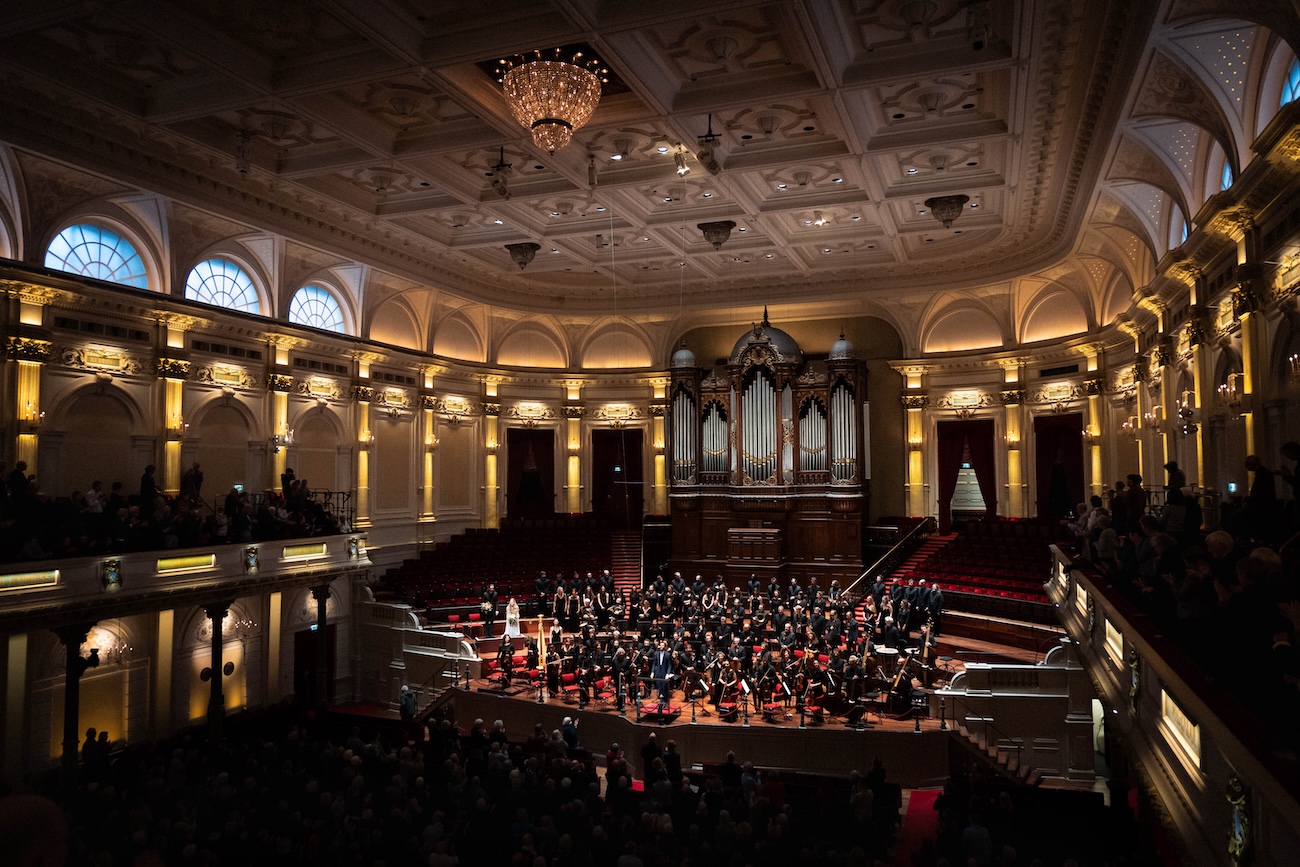
‘Mendelssohn’s oratorio Elias receives a triumphant reception at the Philharmonie. At the baton, Raphaël Pichon is imbued with the drama and conveys it to the audience. The audience gives a standing ovation.’ (Ôlyrix, Frédérique Épin, Dec. 2016)
‘An absolutely major concert this evening. Raphaël Pichon and his Ensemble Pygmalion tackle a romantic monument with all the qualities inherited from their long practice of J.S. Bach. Raphaël Pichon conducts his forces with flexibility and achieves, no one knows how, an extraordinary grandeur that always rises and lightens. The orchestral, vocal and choral resources are sumptuous. Everyone is perfect this evening. The orchestra, playing period instruments, displays an unimaginable richness of colour. The choirs have presence and impeccable diction. The homogeneity of the sections is spectacular. Stéphane Degout, with his disturbingly beautiful voice, embodies an unforgettable Elias. Julia Kleiter has a fruity, round voice that flows in sublime phrasing. Anaïk Morel knows how to be both angel and demon.’ (Classiquenews, Hubert Stoecklin, Dec. 2016)
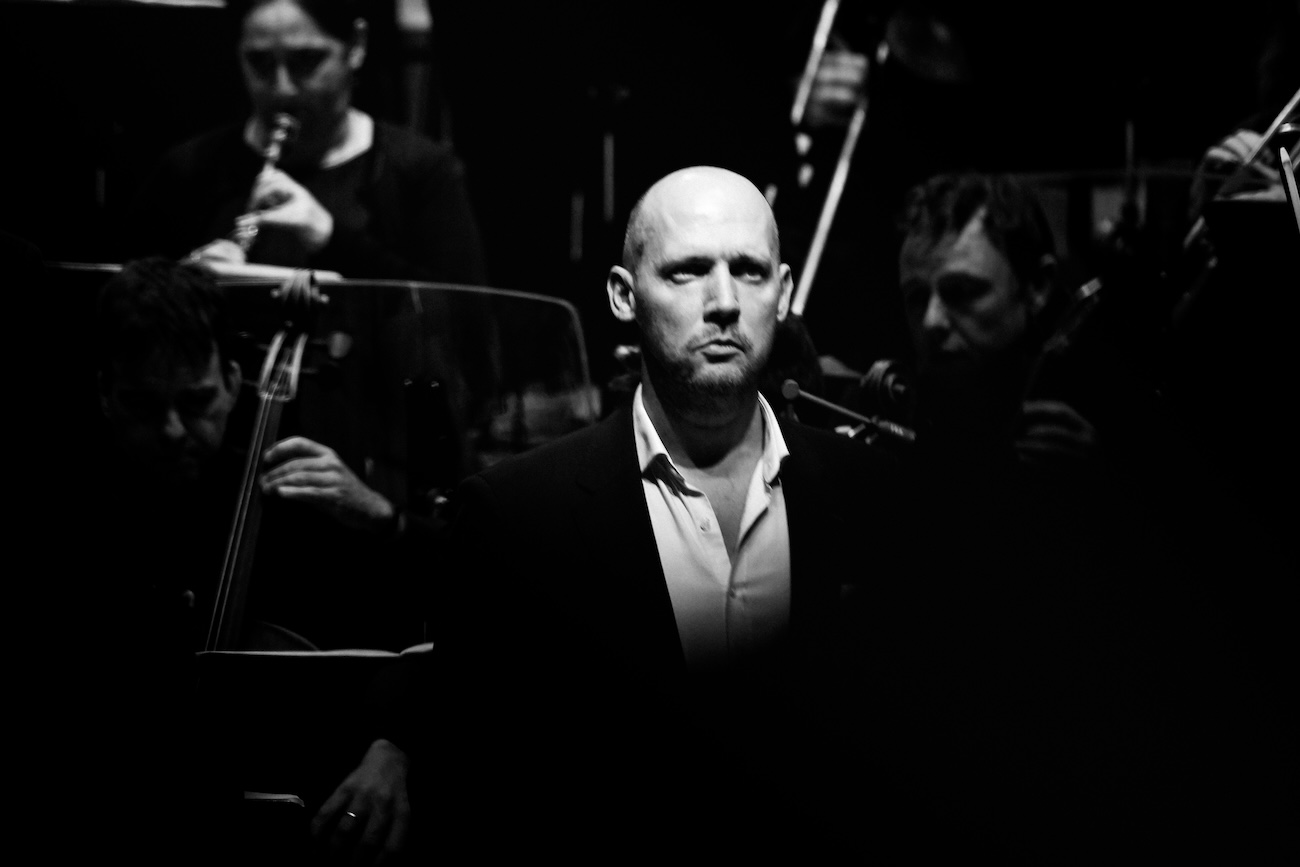
Elias: a new romantic chapter
Designed as a continuation of its favourite repertoire (Bach’s Short Masses, St John Passion and cantatas), the choice of the romantic oratorio Elias, performed on period instruments, has generated real enthusiasm at Pygmalion. The second oratorio written by Felix Mendelssohn-Bartholdy after Paulus, Elias, is strongly influenced by the music of Handel and Bach. Raphaël Pichon is particularly fond of this score dedicated to Elijah, whom the composer described as ‘a true prophet in opposition to the whole world and yet carried on angel wings’.
Convinced by this first experience, Pygmalion will continue its exploration of the German Romantic repertoire with programmes built around Mendelssohn’s Symphony No. 2 Lobgesang, A German Requiem and Johannes Brahms’ Symphony No. 1.
Elias marks the beginning of a long-term artistic collaboration with Stéphane Degout. The baritone will be at the heart of numerous projects with Pygmalion, both on disc (Enfers in 2018, Mein Traum in 2022, Ein deutsches Requiem in 2025) and in concert and opera.


Mariavespers at the Holland Festival: an extraordinary venue for Monteverdi’s Vespers
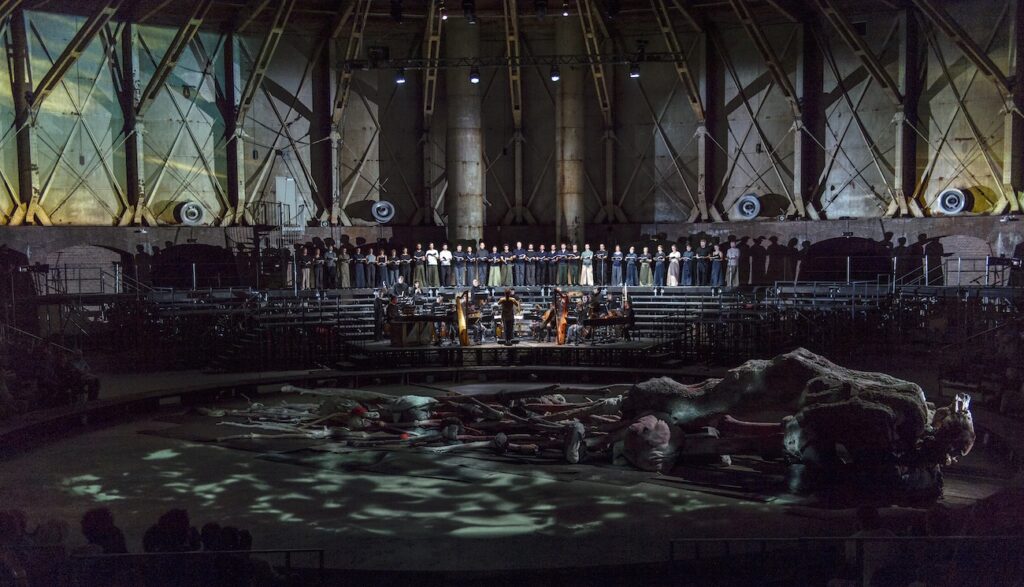
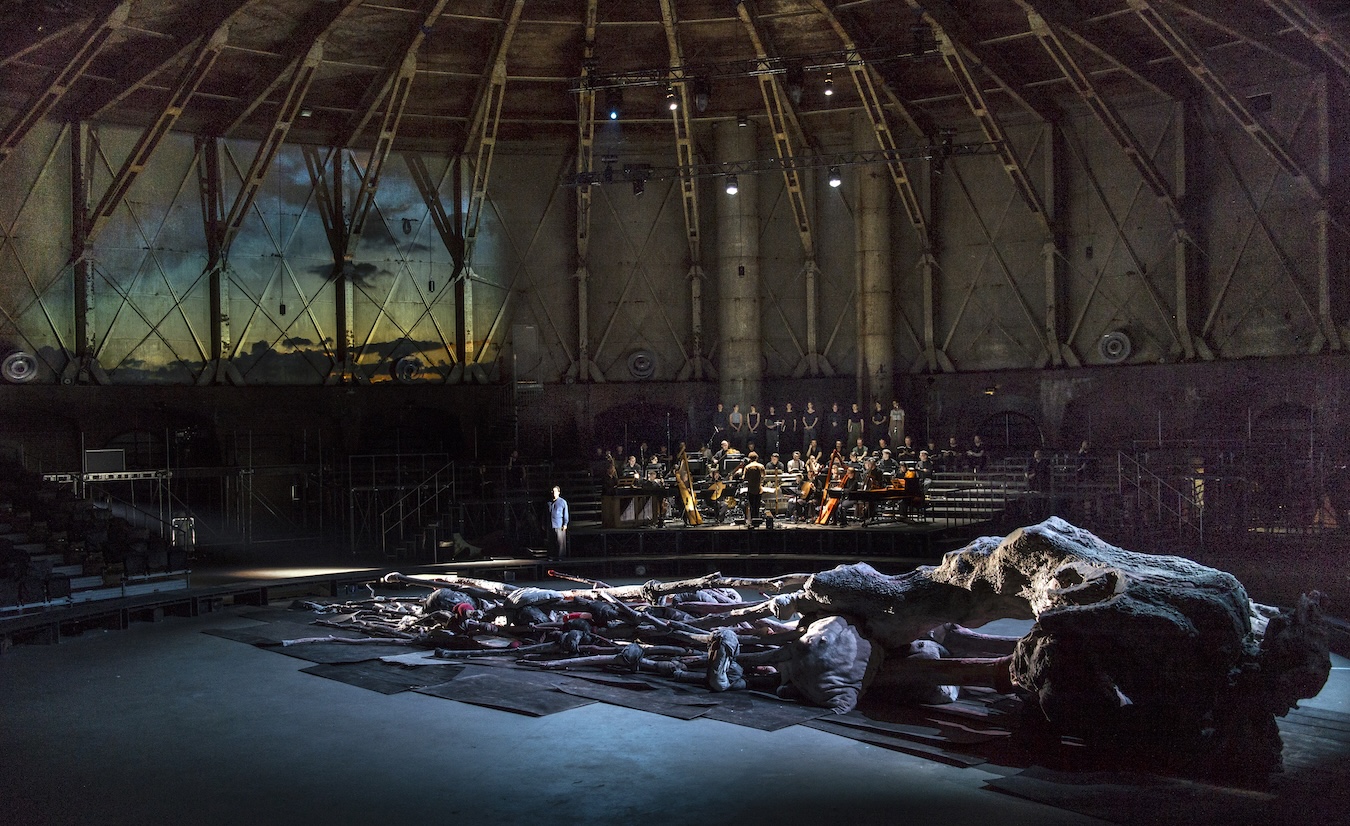
In the bowels of the Gashouder, a gigantic iron dome over 50 metres in diameter that once supplied Amsterdam with gas, and around an immense sculpture, a mass of fabric and alluvium created by Berlinde De Bruyckere, entitled Cripplewood, Monteverdi’s Vespro della Beata Vergine was performed. This ‘listening experience’ organized by Pierre Audi served as the spectacular opening of the 70th edition of the Holland Festival, ‘Festival for Performing Arts’, in co-production with the Amsterdam Opera.
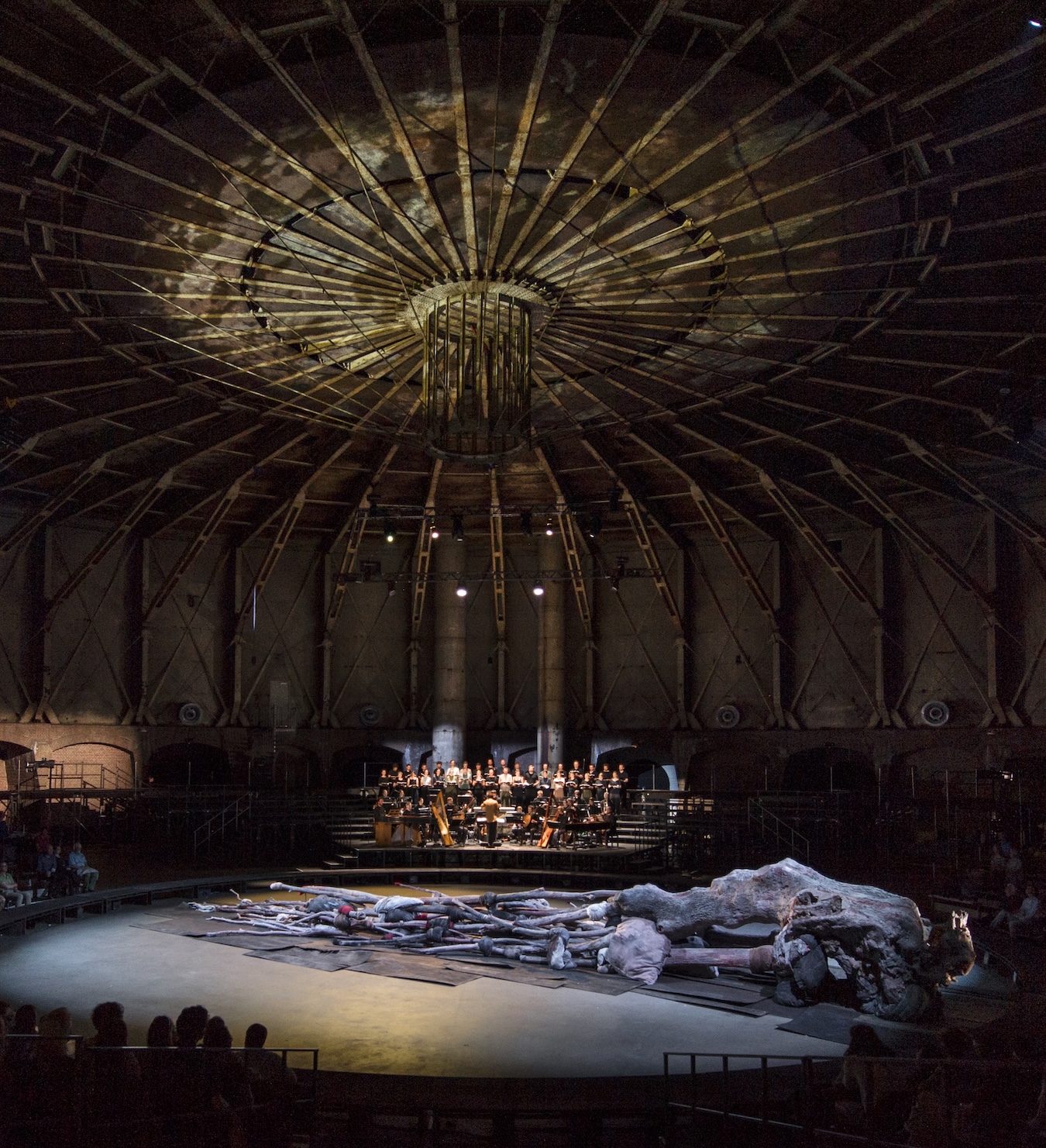
Mariavespers at the Holland Festival: an extraordinary venue for Monteverdi’s Vespers
‘The unusual space lends itself miraculously to the exercise. . . . Shimmering videos occasionally dot the dome ceiling and walls with moving reflections of stained glass. But everything is very sober. On the podium, Raphaël Pichon, wearing a long orange shirt and bearded like a figure of Christ in an ikon, conducts sometimes from behind and sometimes from the front, depending on the positioning of his troops. The young music master, totally devoted, serves Monteverdi with concentrated fullness and unwavering lyricism. Sober, tender, and passionate.’ (Le Monde, Marie-Aude Roux, 2017)
Pygmalion, an ensemble associated with the Théâtre National de l‘Opéra-Comique
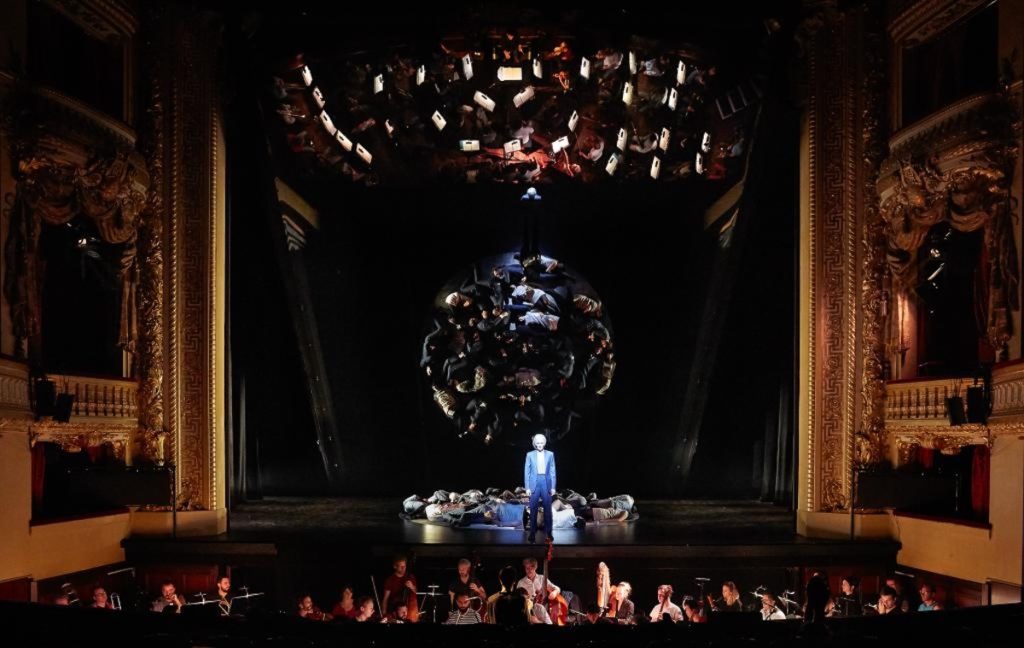
Since 2017, Pygmalion and the Théâtre National de l’Opéra-Comique have been developing a long-term joint venture, making the Salle Favart a major stage partner for the ensemble. This mutual loyalty has led to the creation of a new production every year, reflecting the confidence placed by Olivier Mantei and then Louis Langrée in Raphaël Pichon’s intuition.
The result has been a series of shows that symbolise the evolution of Pygmalion’s artistic project, its affinities with directors, singers, works and repertoire choices, and its renewed appeal to audiences. A true reflection of Pygmalion’s identity!
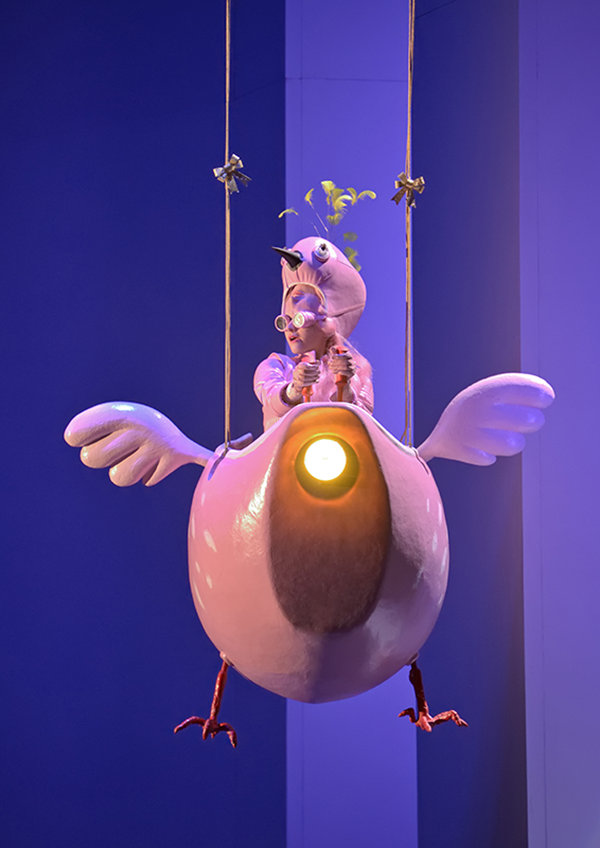
Pygmalion, an ensemble associated with the Théâtre National de l‘Opéra-Comique
2017 : Miranda – Purcell (Katie Mitchell)
2018 : Orphée & Eurydice – Gluck (Aurélien Bory)
2019 : Ercole Amante – Cavalli (Valérie Lesort & Christian Hecq)
2020 : Fidelio – Beethoven (Cyril Teste)
2021 : Hippolyte & Aricie – Rameau (Jeanne Candel)
2022 : Lakmé – Delibes (Laurent Pelly)
2023 : L’Autre Voyage – Schubert (Silvia Costa)
2025 : Samson – Rameau (Claus Guth)
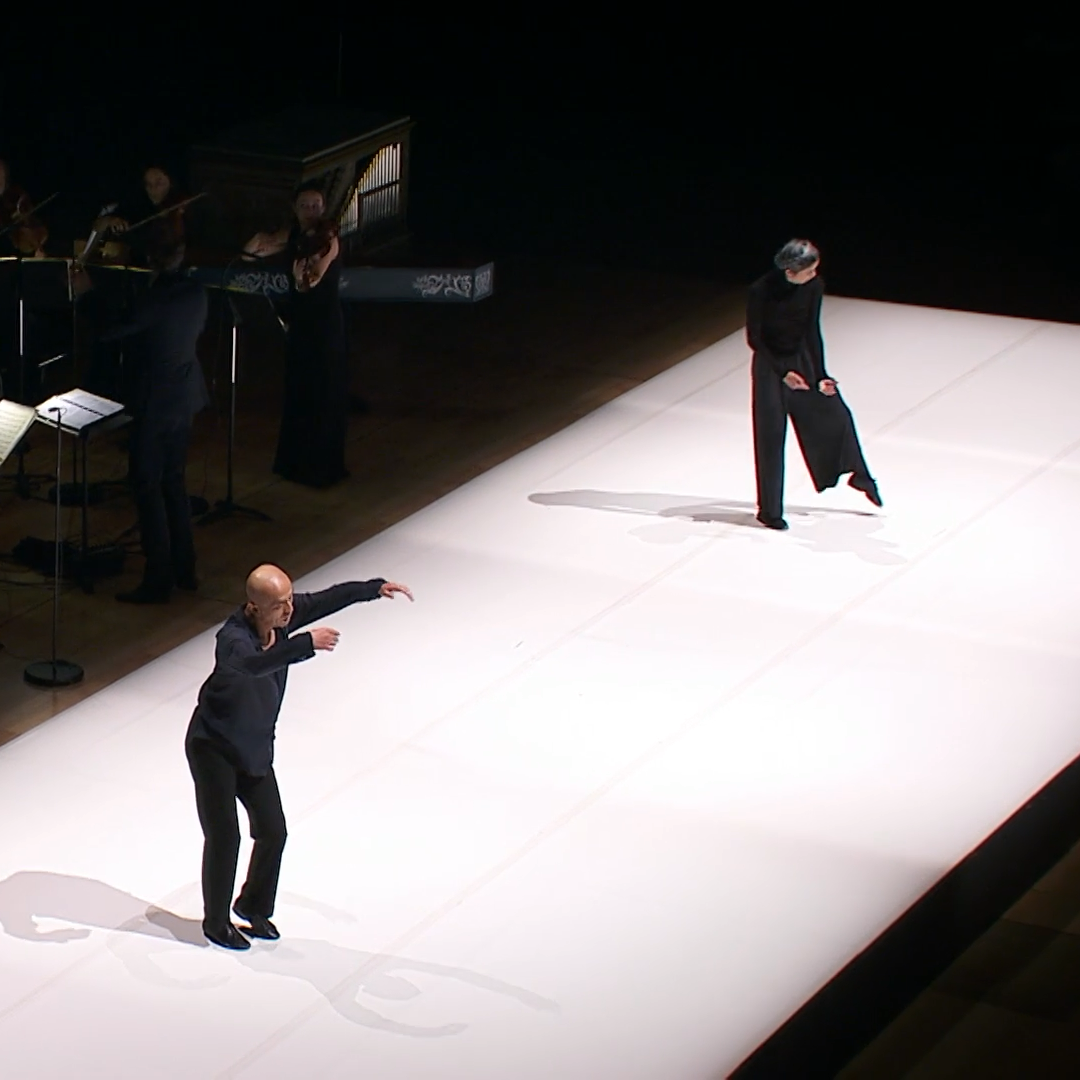
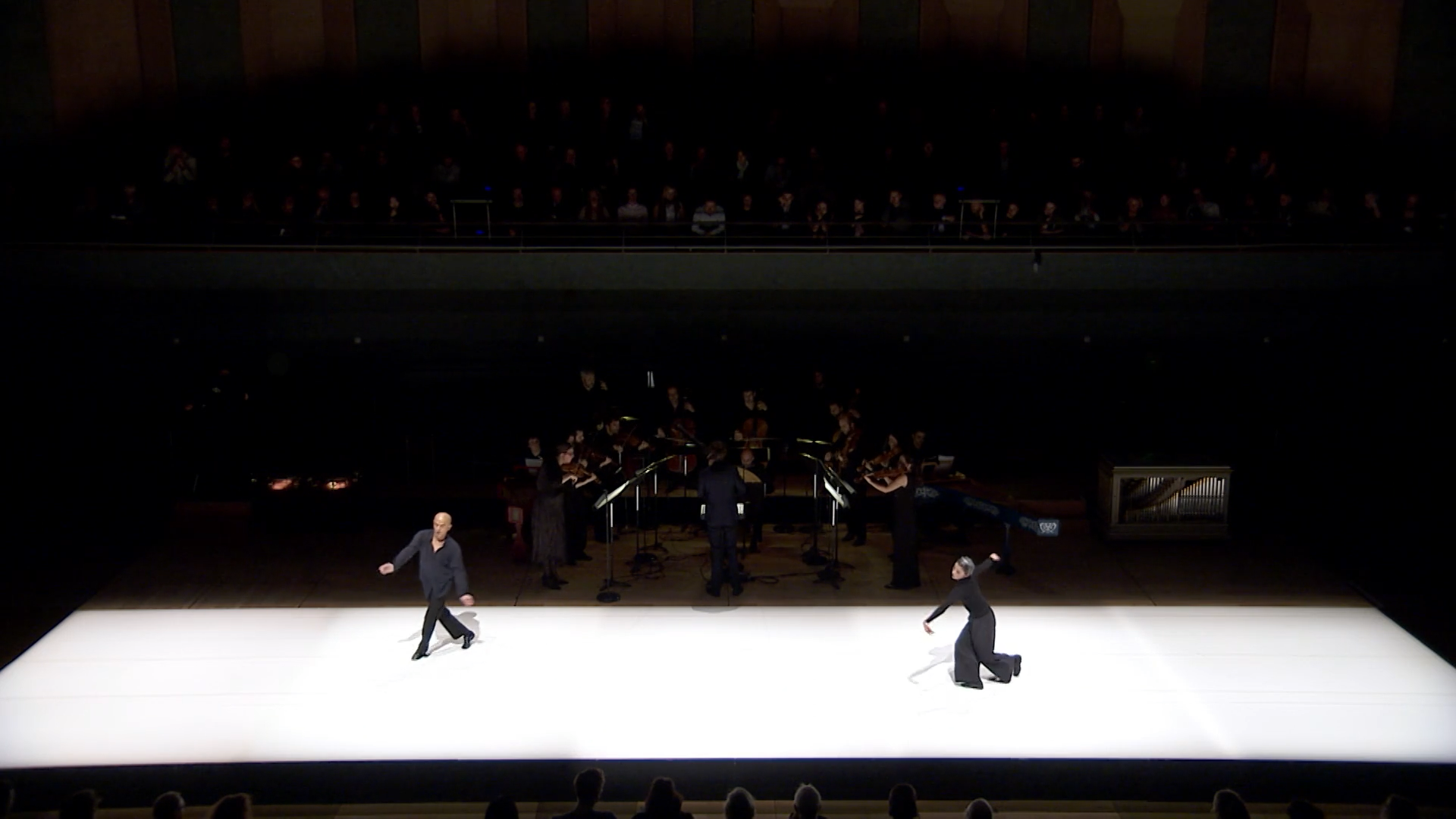
Seven words for Bach: arts and Bach’s cantatas enter in dialogue
‘We first wanted to focus on the message of humanity, hope and light that Bach conveys to us.’ (Raphaël Pichon)
“Raphaël Pichon has challenged himself with an immense undertaking: to explore a musical monument consisting of some two hundred cantatas using only seven keys, “seven words” intended to unlock all its doors. (…) While the soloists were impressive, the ensemble was astounding. The audience was captivated, absorbing the sounds as a kind of antidote to the unpleasantness of the times.” (Baroquiades, Michel Boesch, 2017)
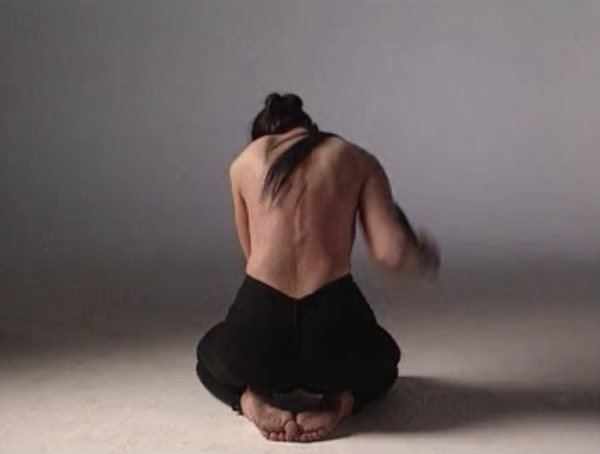
At the Philharmonie de Paris, magic, dance and the art of lighting come together with the music of Johann Sebastian Bach in a seven-stage journey, like a meditation, around the cantatas, Passions, motets and arias of the Leipzig cantor. In the programmes ‘Lights’, ‘Passage’, ‘Calling’, ‘Dephts’, ‘Behold the man’ and ‘Consolations’, the musicians of Pygmalion are joined by Japanese dancer Saburo Teshigawara, Marina Abramovic, Bertrand Couderc and the Compagnie 14:20 Magie nouvelle.
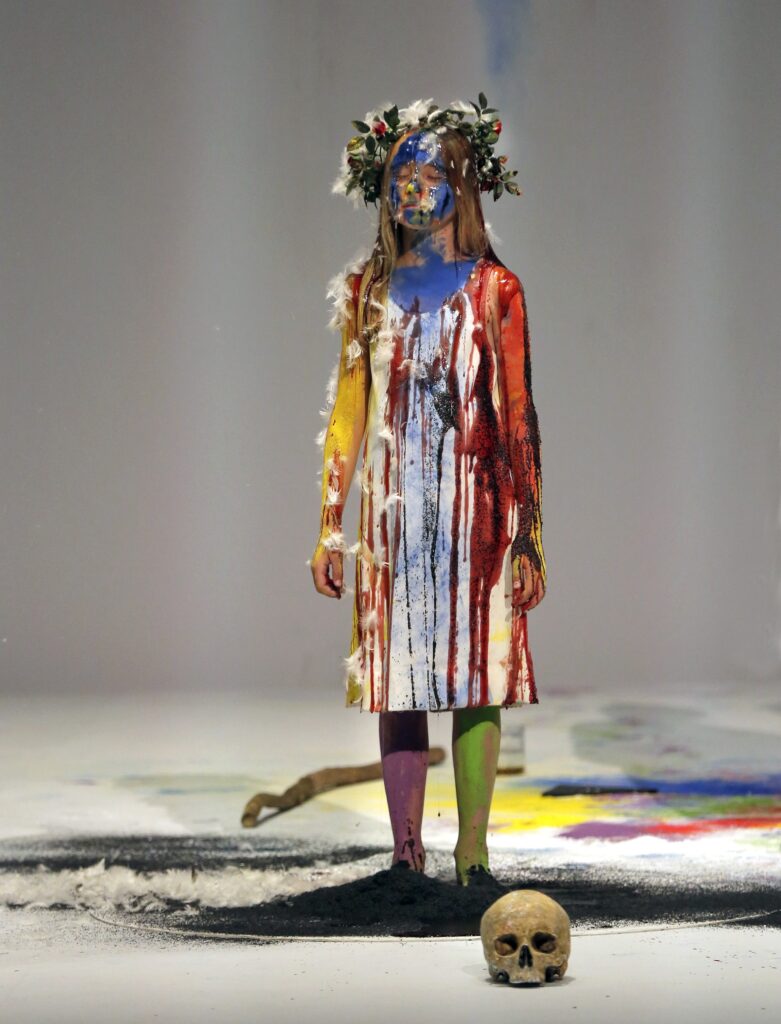
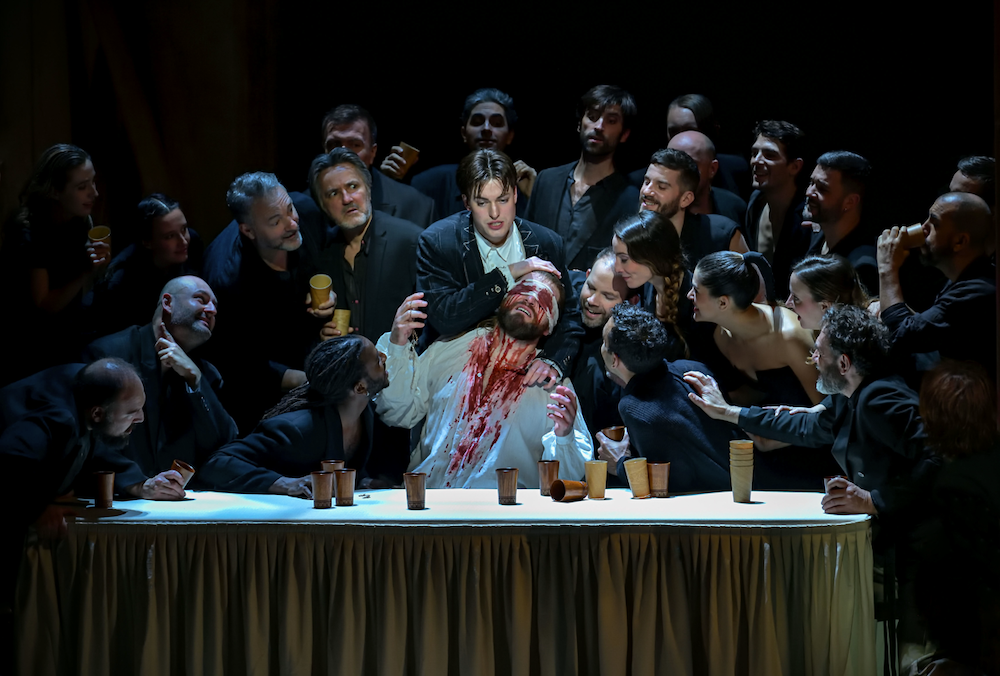
Mozart’s Requiem staged by Romeo Castellucci: a song of life and hope
‘Since death is the true final destination of our lives, I have become so familiar with this true and best friend of man that its image no longer frightens me, but even appears very soothing and comforting.’
These reflections by Mozart on life and death are the inspiration behind Raphaël Pichon and Romeo Castellucci’s interpretation of the composer’s iconic and unfinished Requiem. An expression of man’s existential angst in the face of finitude, this mass for the dead confronts us with the ephemeral nature of nature and culture, of man as a species and as an individual. ‘We must understand and celebrate the end as the flip side of a celebration where the dancing continues. This Missa pro defunctis then changes its polarity and meaning’. Romeo Castellucci’s theatrical vision, carried by Raphaël Pichon’s musical dramaturgy – which embellishes the work with other religious pieces by Mozart – will transform this Requiem into the ultimate glorification of life. An exhilarating and intense choreographic challenge, particularly for the choir, the main character in this great funeral celebration.
This production, closely linked to Pygmalion’s identity, will subsequently be performed in Brussels, Vienna, and Naples, also Adelaide, Valencia, Basel, and more.
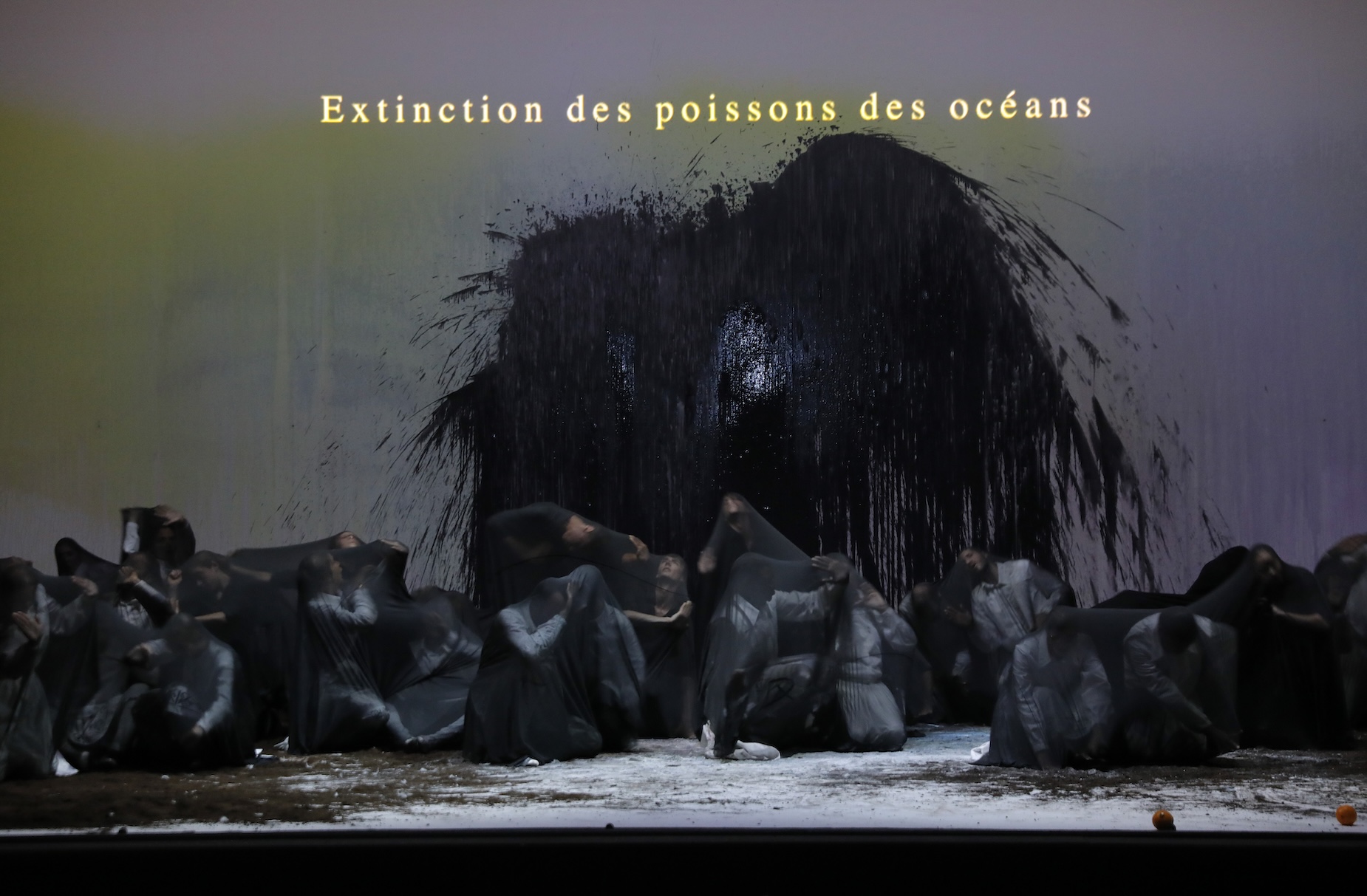
Mozart’s Requiem staged by Romeo Castellucci: a song of life and hope
‘A splendid meditation on the beauty of the world and its disintegration.’ (Le Figaro, Christian Merlin, 2019)
‘Led by the singers of the Pygmalion choir, who become performers and dancers, this fabulous journey towards hope and light is embodied in choreographic figures that return to the origins of pagan rituals. Drawing on these traditions that have shaped life since the dawn of time, Romeo Castellucci generously transforms the monument dedicated to the dead into a work inhabited by something other than angels.’ (Les Inrocks, Patrick Sourd, 2019)
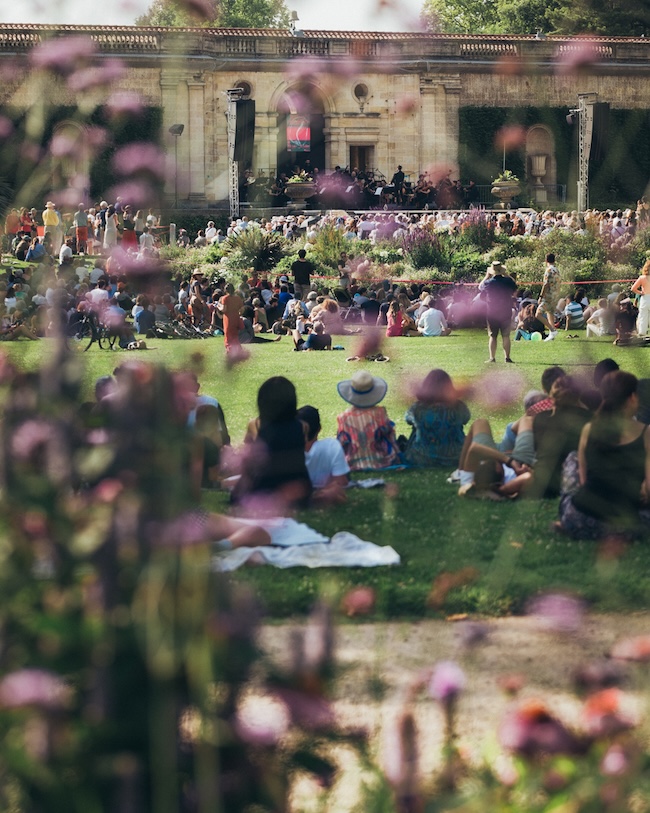
Création de Pulsations, festival inattendu !
‘The festival takes over the city of Bordeaux and its surroundings with the same curiosity with which it explores the repertoire.’ (Les Échos, 2021)
‘The search for new sensations is at the heart of the project of a conductor determined not to confine classical music to its niche.’ (Le Figaro, Christian Merlin, 2023)
From opera to pop, circus to great voices, Pulsations welcomes James Thierrée, Camille, Cécile McLorin Salvant, Sabine Devieilhe, Léa Desandre, Nahuel di Pierro, Michael Spyres, and Kate Frankie’s B.O.D.I.E.S. – for the first time in France. Unprecedented artistic and musical experiences, unique emotions, the alchemy between artistic projects and highly magnetic or symbolic venues: this is the spirit of the Pulsations festival!
Highlights from previous editions include Brahms’ Human Requiem, directed by Jochen Sandig at the submarine base in 2021; Gluck’s opera Orpheus and Eurydice, directed by Eddy Garaudel in a disused factory, Halle 47 in Floirac, in 2023; Bohuslav Martinů’s Greek Passion, a rarely performed opera, in which amateur choristers from the region and the Pygmalion choir became one!
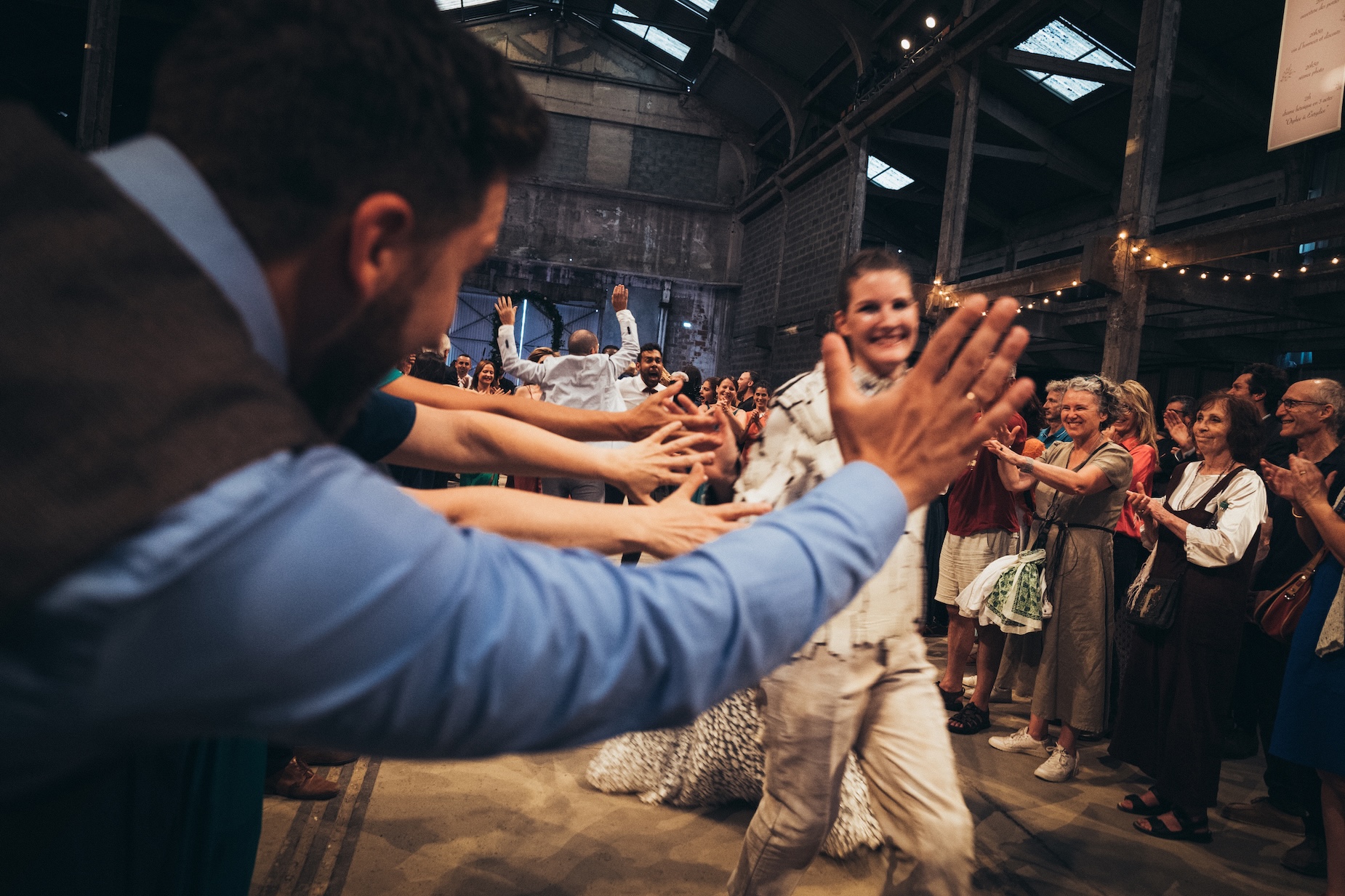
Creation of Pulsations, an unexpected festival!
‘Born in 2020 out of frustration caused by months of silence due to the pandemic, an antidote delivered by conductor Raphaël Pichon.’ (Le Monde, Marie-Aude Roux, 2021)
In 2020, in the midst of the pandemic, Pygmalion and Raphaël Pichon embarked on a new adventure: the creation of the Pulsations festival in Bordeaux and its metropolitan area. The intention was twofold: to offer musicians the opportunity to give concerts again in a health context where everything had been put on hold, and to play in unusual and unexpected venues, often not dedicated to culture, to reach as many people as possible. The first edition of the festival, organized in just a few weeks with the indispensable help of particularly committed local forces, was a great moment of reunion, relief and jubilation. To put culture back at the heart of social policy, Pulsations offers attractive ticket prices, provides tickets to associations and social partners, and organizes preparatory workshops to discover the works and performers!
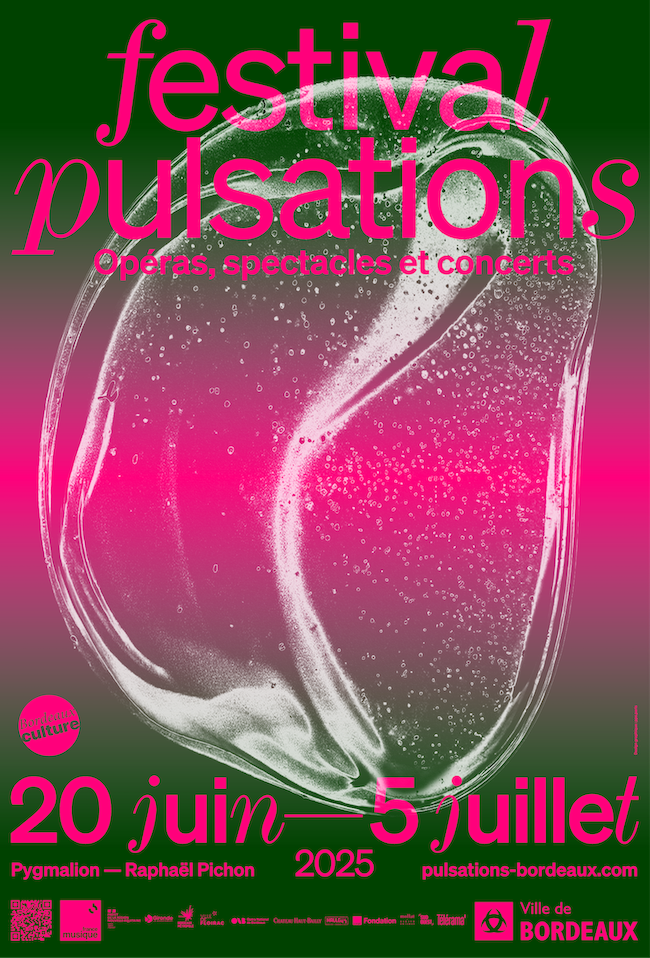
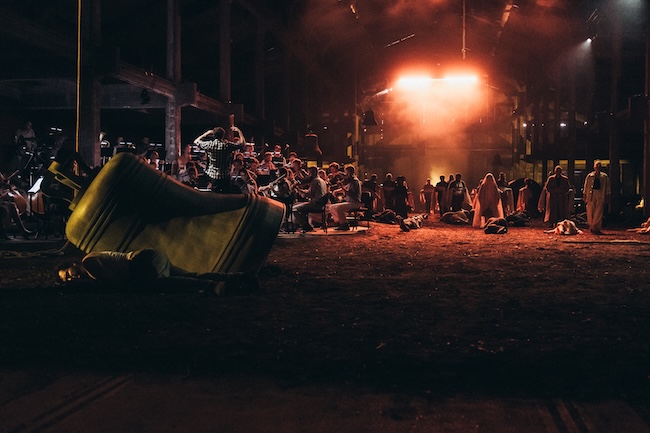
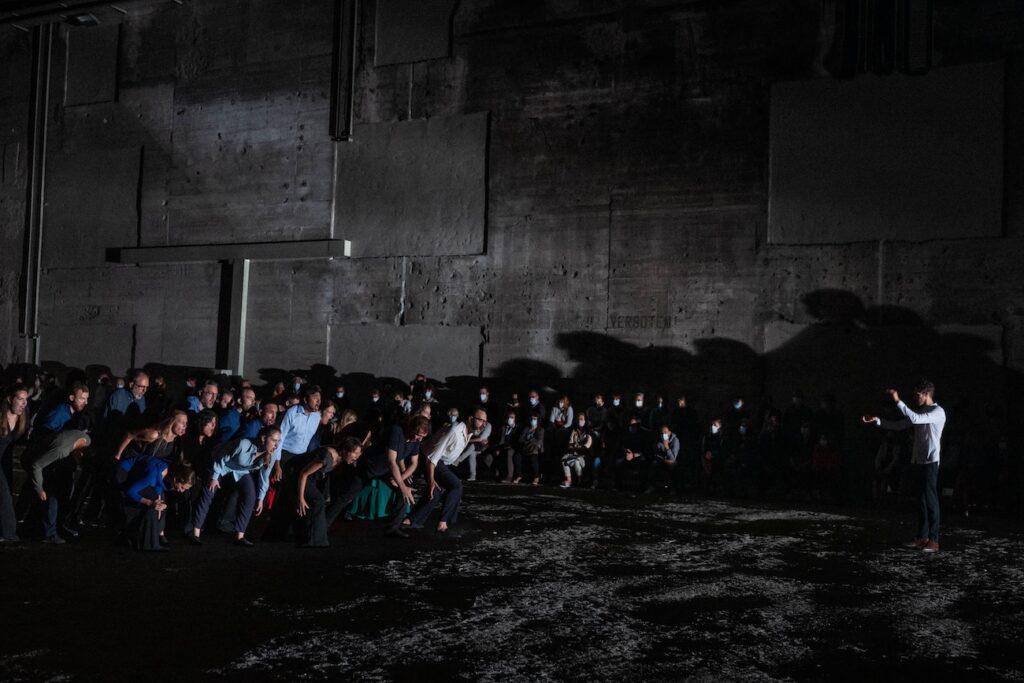
Brahms’s human requiem: an immersive experience at the Bordeaux submarine base
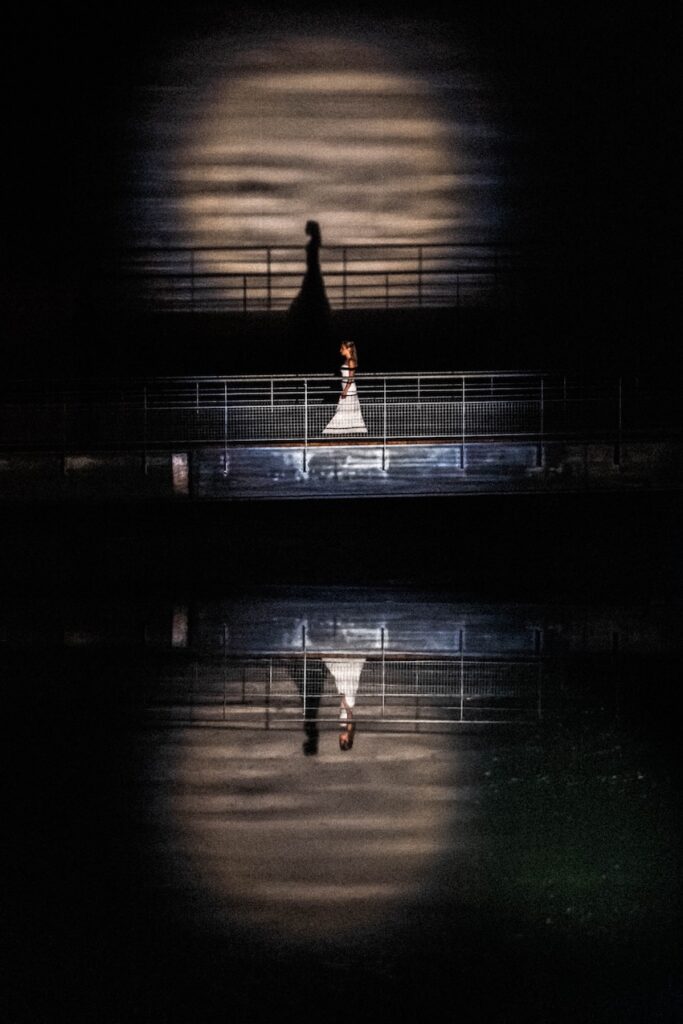
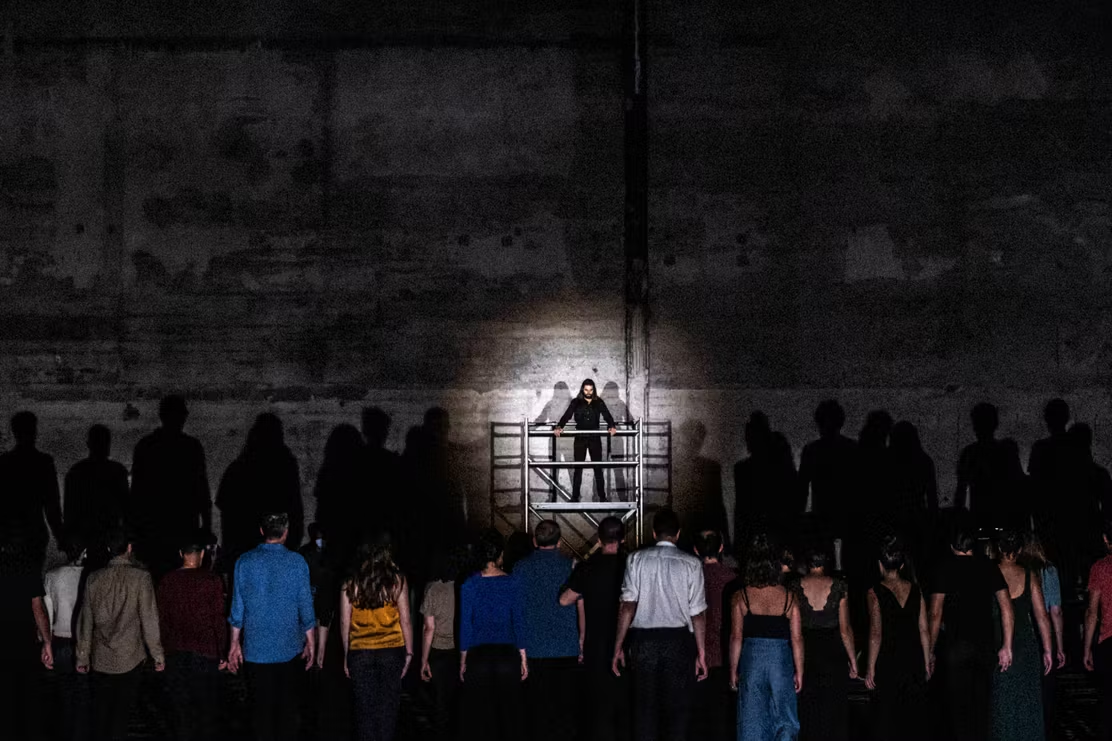
For the second edition of its Pulsations festival, Pygmalion performs this monumental choral work in an immersive and interactive version conceived by Jochen Sandig. Created in Berlin in 2012 as a stage production where the boundary between audience and performers is blurred in favour of community, this production has been reimagined and adapted for the immense concrete vessel that is the submarine base. In this venue, A German Requiem feels more than ever like a plunge into the depths of the human heart, offering immense consolation and a genuine promise of light after pain. It is an immersive experience that resonates as a liberation in the midst of a pandemic.
Brahms’s human requiem: an immersive experience at the Bordeaux submarine base
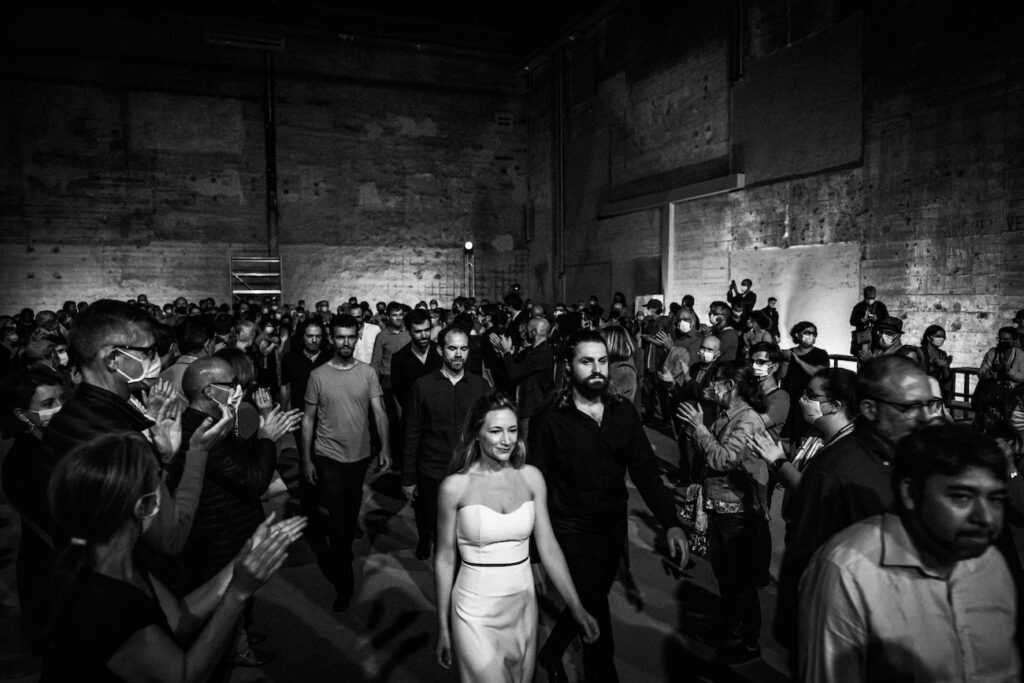
‘An event at the Pulsations festival, created in 2020 by conductor Raphaël Pichon, Brahms’ sacred masterpiece transcends memories of war and hopes for peace. The sensation is intense, bringing tears to the eyes behind the masks. (…) Blessed is the grateful audience that gave a long ovation to this extraordinary, humane Requiem.’ (Le Monde, Marie-Aude Roux, 2021)
‘‘‘I cried for all my dead,” says one spectator, wiping her eyes at the end of this human Requiem. A performance that moves, captivates and challenges. The Bordeaux submarine base is plunged into darkness, where spectators are invited to wander among the pools. We timidly enter… a tomb. The soft music of Johannes Brahms rises around us. It is reassuring: ‘Blessed are those who mourn, for they shall be comforted.’ Singers walk alongside us. The crowd follows the piano they pull along, like a funeral procession. The chords, the melody and the voices are not far away but right there, enveloping us, almost inside us.’ (Sud-Ouest, Séverine Garnier, 2021)
Saint Matthew Passion, an unforgettable recording at the Philharmonie de Paris
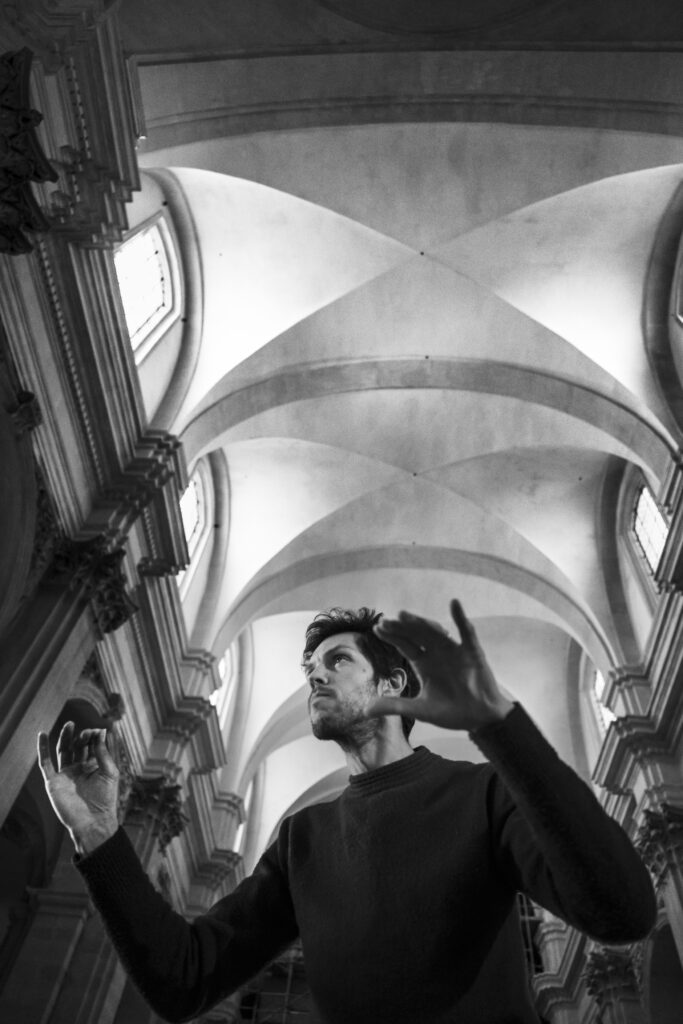
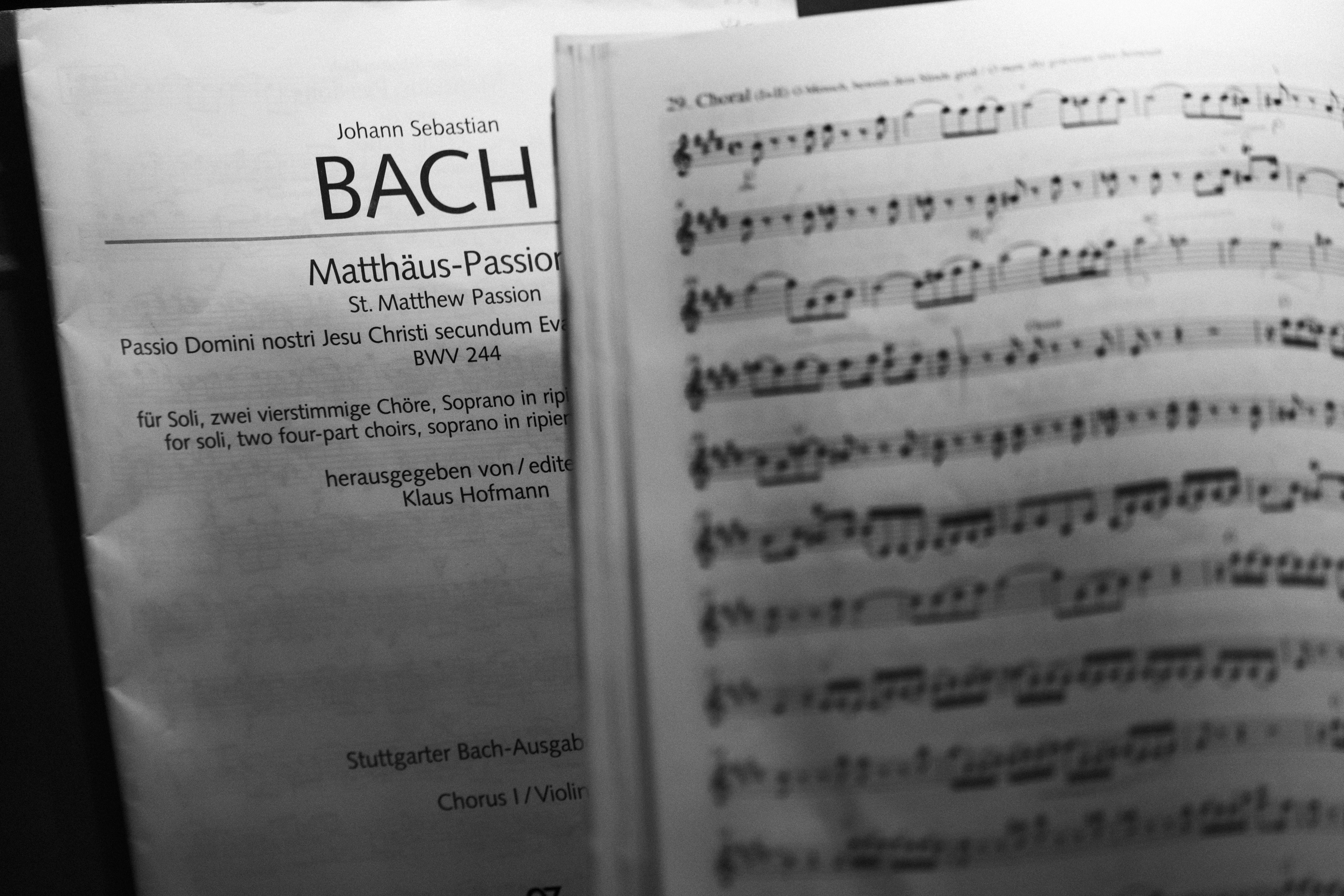
Five years later, despite a tour largely cut short by the Covid-19 pandemic, Raphaël Pichon recorded this quintessential work at the Philharmonie de Paris. It was a challenge and an unforgettable experience for the musicians who joined him. The album received numerous awards, including a Victoire de la Musique Classique in 2023.
Saint Matthew Passion, an unforgettable recording at the Philharmonie de Paris
In 2016, ten years after recording the Missae breves, Pygmalion embarked on a remarkable first series of concerts exploring the Saint Matthew Passion.
‘The first thing that convinced me here was being able to bring together the performers who are now indispensable to me for this work. A real family, all these personalities, soloists, choir singers, instrumentalists. When I founded Pygmalion, I had one conviction and one big dream: that we would perform our first Saint Matthew Passion for our tenth anniversary and that, for ten years, we would perform the Missae breves, the cantatas, the Mass in B minor, St John, the motets, instrumental music, and that we would get to know Bach’s work as intimately as possible so that one day we would ‘deserve’ paradise: to be able to tackle Saint Matthew. And that is what we did in 2016, with the vast majority of the team of musicians from this recording already on board.’ (Raphaël Pichon)
Lakmé at the Opéra-Comique
Working with a stellar lineup of singers, Raphaël Pichon and Laurent Pelly took on this jewel of the Opéra-Comique, an international success performed more than 1,600 times since its creation in 1883. Five years into its association with the Opéra-Comique, Pygmalion made its first excursion into the French Romantic repertoire of the 19th century, choosing the elegant melodies and refined orchestration of Léo Delibes.
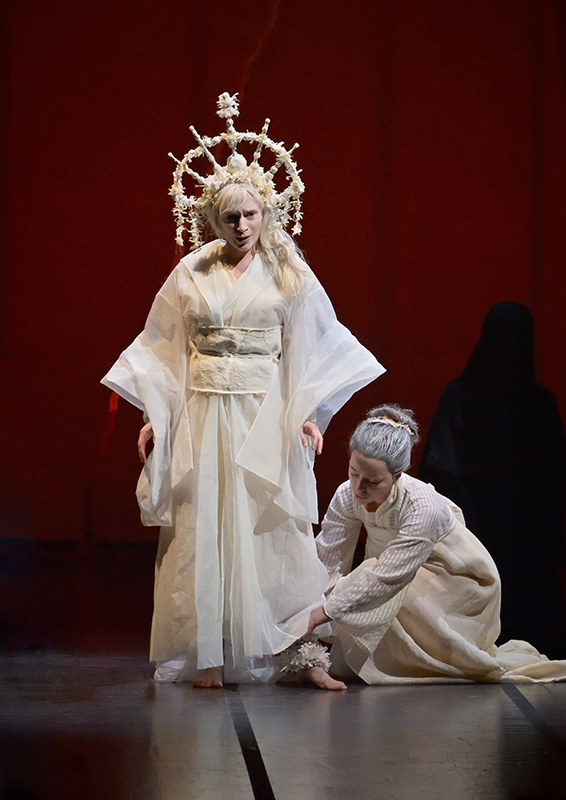
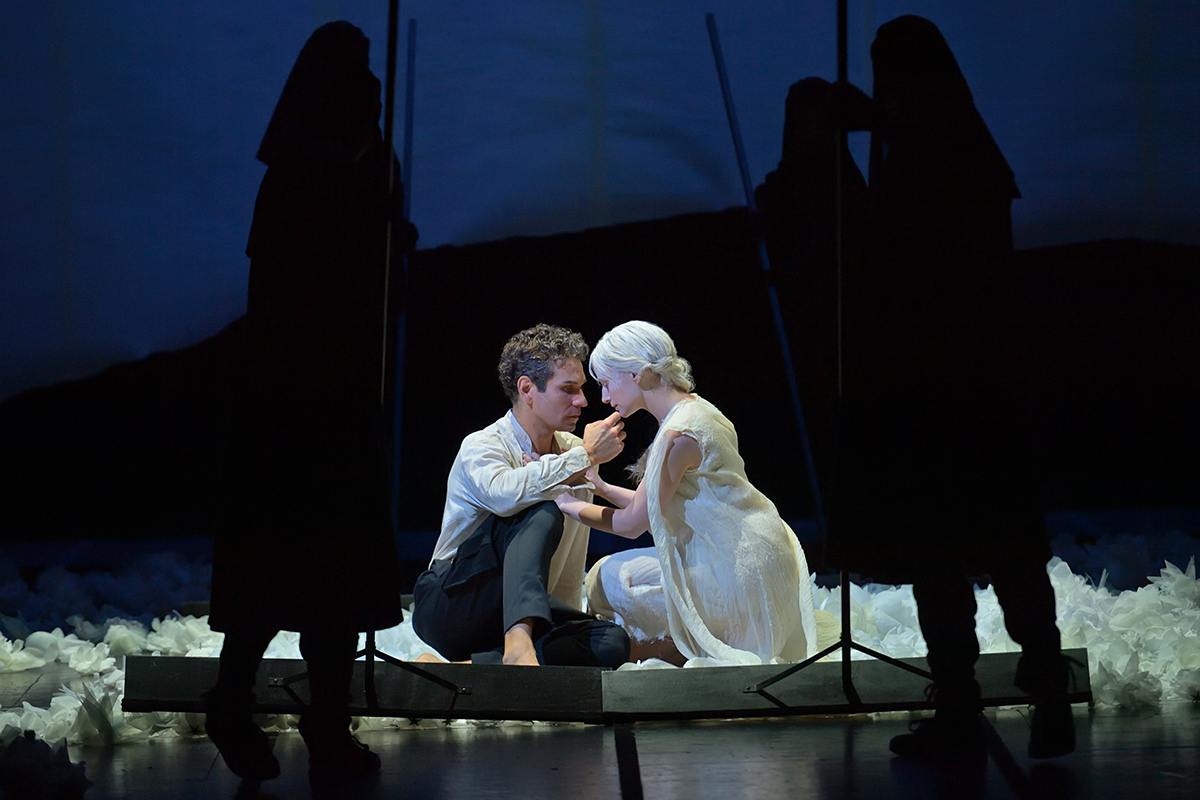
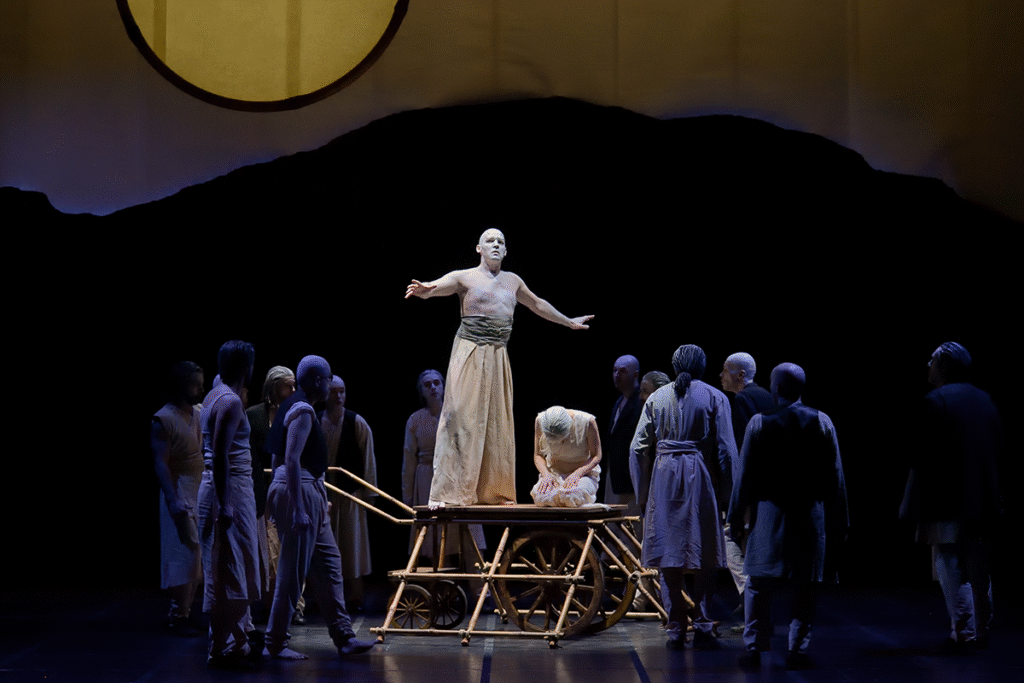
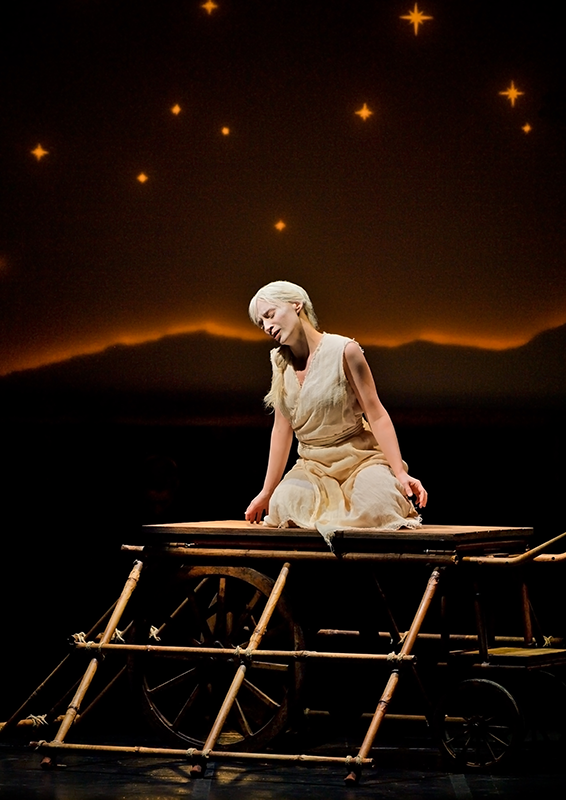
Sabine Devieilhe gave a memorable performance as Lakmé, eight years after the audience of the Opéra-Comique had first admired her in the virtuosic and dramatic title role. Stéphane Degout, a long-time collaborator of Pygmalion, offered a masterful interpretation of Nilakantha, her father.
This Lakmé ‘without temples, without flowers, without the shadow of lush vegetation’, as described by Laurent Pelly, leaves aside ornamental exoticism to reveal an imaginary and refined elsewhere, the setting for an impossible passion.
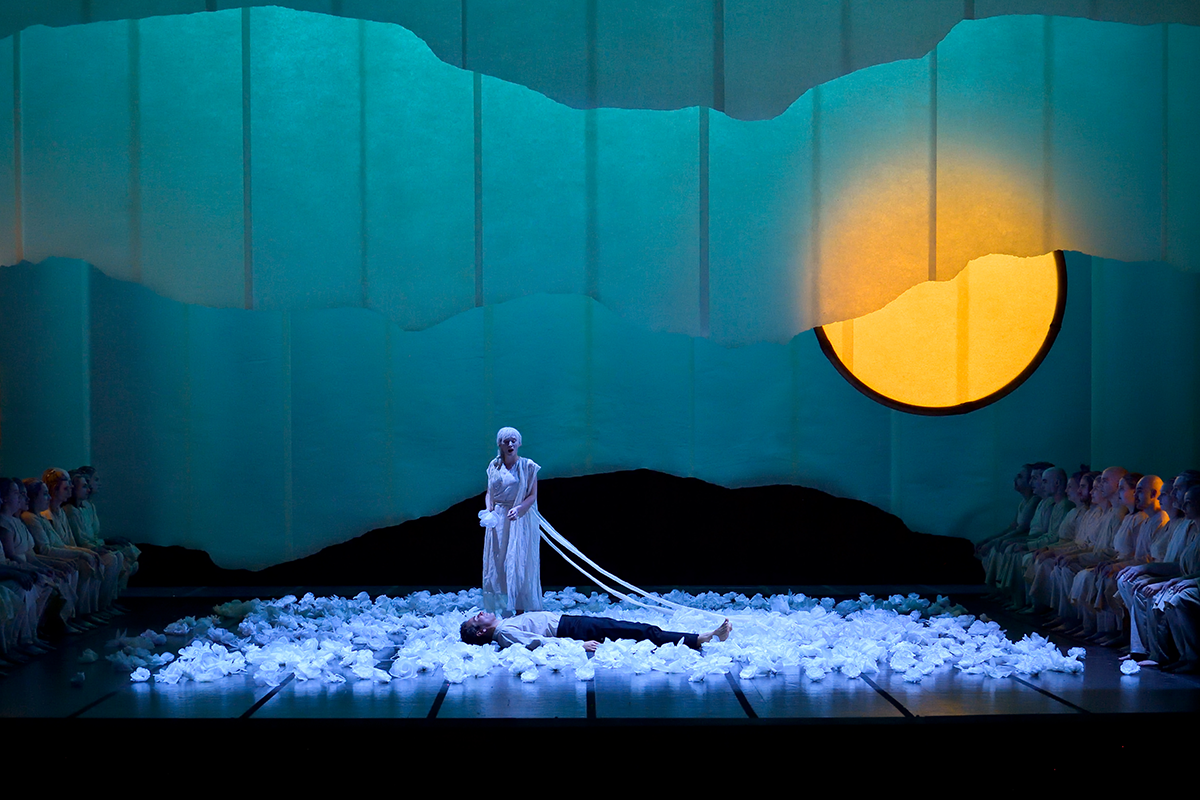
Lakmé à l‘Opéra-Comique
‘In the pit and on stage, Raphaël Pichon and his ensemble Pygmalion give their all in this new adventure that is, for them, French romantic opera – we expected nothing less from a group that has constantly pushed its limits and those of its repertoire. The richness of tone and subtleties of orchestration, the changes in mood, the soloist interventions and choral sequences all contribute to the success of this production.’ (Télérama, Sophie Bourdais, 2022)
‘Since her debut in this role, Sabine Devieilhe has never achieved such harmony between singing and acting. In addition to her vocal miracle, unchanged for ten years, this time she displays astonishing physical commitment. She is certainly an unusual Lakmé, with her white hair, but she is extraordinarily credible, first as a marble goddess, then as a young girl opening herself up to love, and finally as the sacrificial victim of a conflict beyond her control. Every technical feat, every pianissimo in the high notes is accompanied by a gesture, a movement, an attitude that hits the mark.’ (Opéra Magazine, 2022)
‘In the pit, Raphaël Pichon set his ensemble Pygmalion to 19th-century instruments, and it is a great success both for the balance with the stage, always delicate at the Salle Favart, and for the very defined sound colours, particularly in the winds but also in the percussion (translucent glockenspiel, expressive timpani by Camille Baslé), while still being capable of impressionistic nuances. The exoticism is never tacky.’ (Le Figaro, Christian Merlin, 2022)
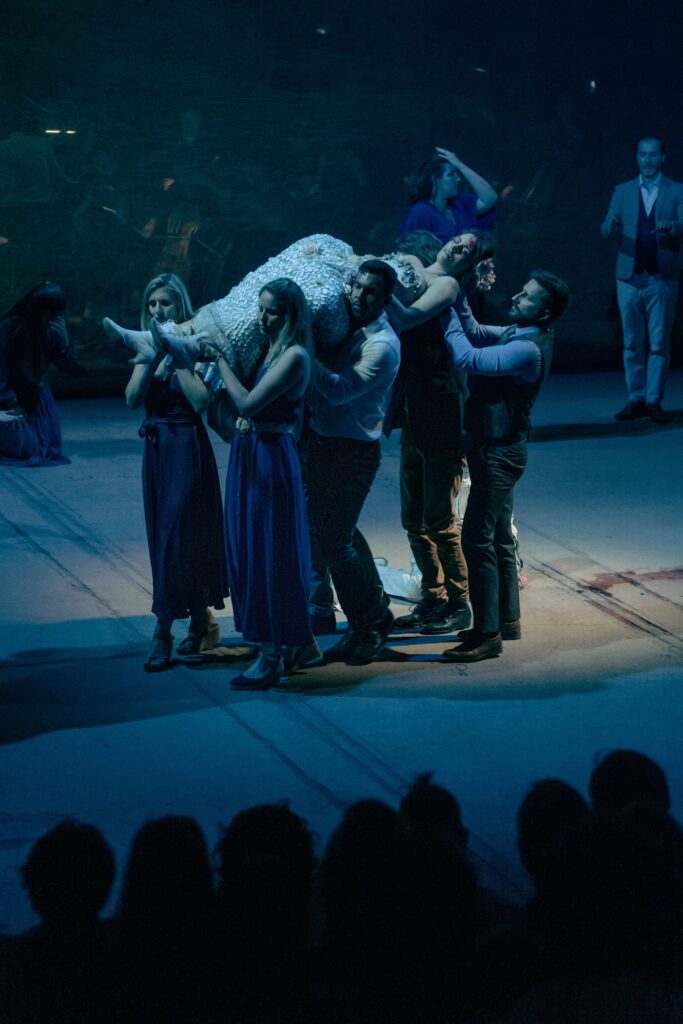
Orpheus and Eurydice, our first 100% self-produced opera!
‘Under a concrete and steel structure, Raphaël Pichon and the Pygmalion ensemble present a wildly inventive version of Orpheus and Eurydice, where the audience wanders among singers and musicians, cocktail in hand. Impressive.’ (Télérama, Sophie Bourdais, 2023)
‘With lots of ideas and limited resources, this ‘Orpheus experience’ conceived by the Pygmalion team for the second edition of its Pulsations festival resolved the false contradiction between elitist opera and popular music, as if the ancient poet had slain this sea serpent of cultural policy.’ (Concert Classic, Vincent Borel, 2023)
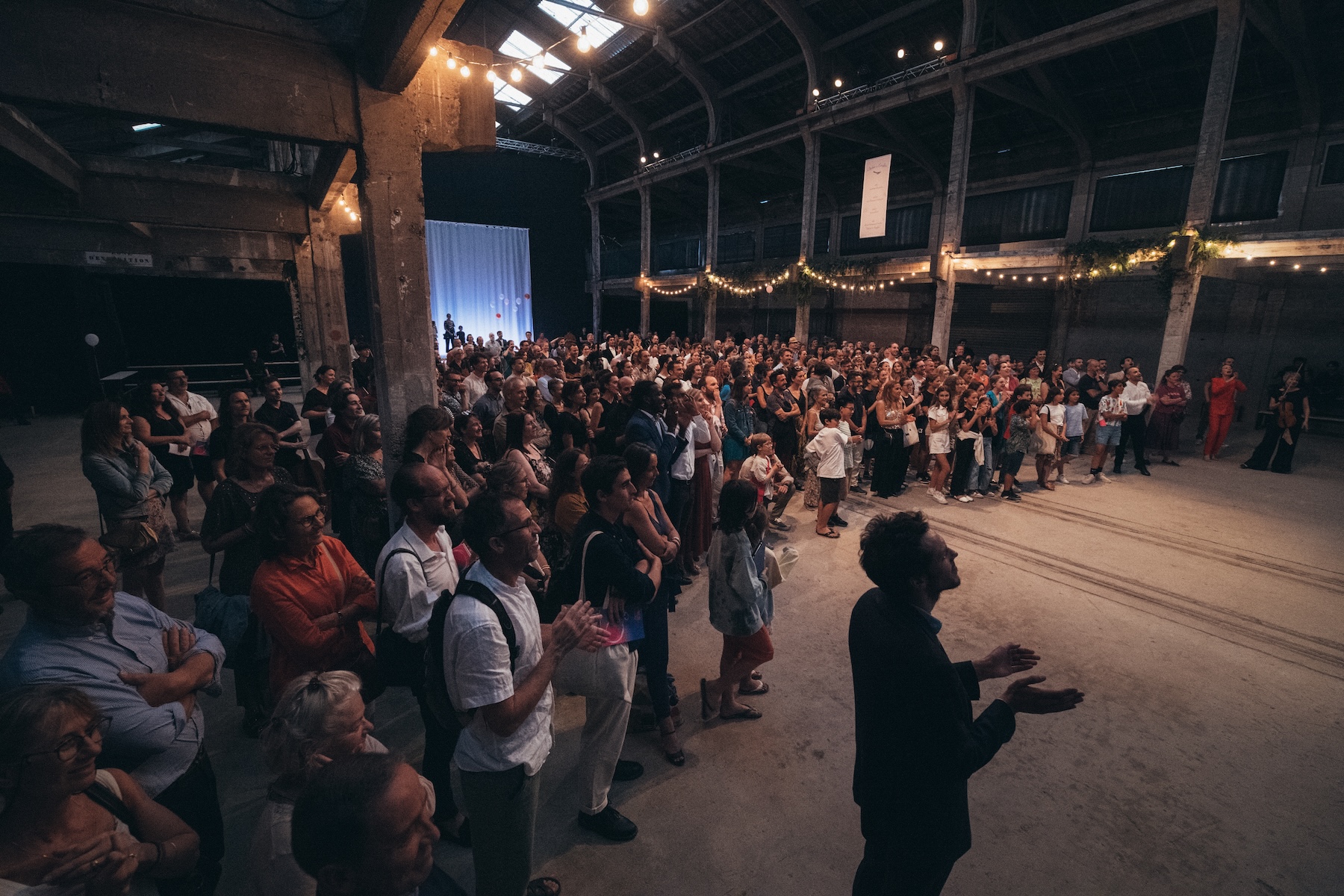
Orpheus and Eurydice, our first 100% self-produced opera!
In the Dantesque space of Halle 47, a former abandoned factory located in Floirac, the immemorial story of Orpheus and Eurydice, made up of pain, loss and heartbreak, is staged by Eddy Garaudel. For this highlight of the 2023 edition of the Pulsations – Bordeaux festival, spectators are invited to wander around during a festive and exuberant wedding… But soon, the lifeless image of Eurydice, lying on the ground with a head injury, fills them with dread. Invited to take their seats in the stands, they watch the poet Orpheus advance into the darkness and discover a hall that gradually reveals itself until, at the end of the opera, it reaches a depth of 90 metres. As in ancient tragedy, the chorus plays a prominent role in this work, embodying the wedding guests, the witnesses to the poet’s pain, the furies that prevent him from advancing into the Underworld, the ectoplasmic shadows of the Elysian Fields, and the echoes of the void left by the loss of Eurydice.
The opera was the subject of a film directed by François-René Martin, broadcast on Arte.
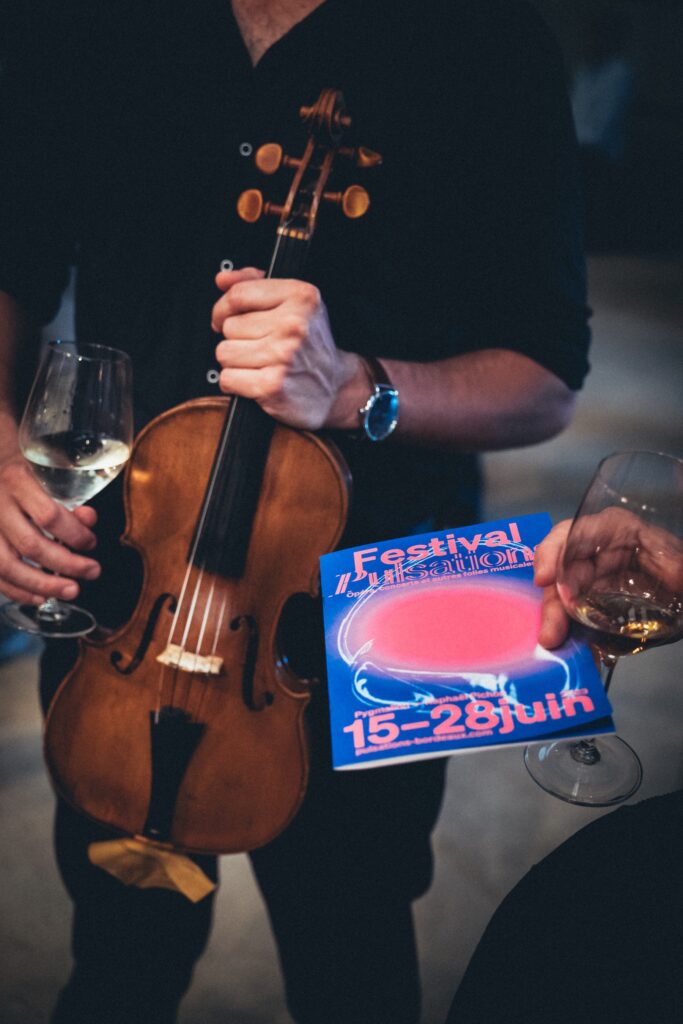
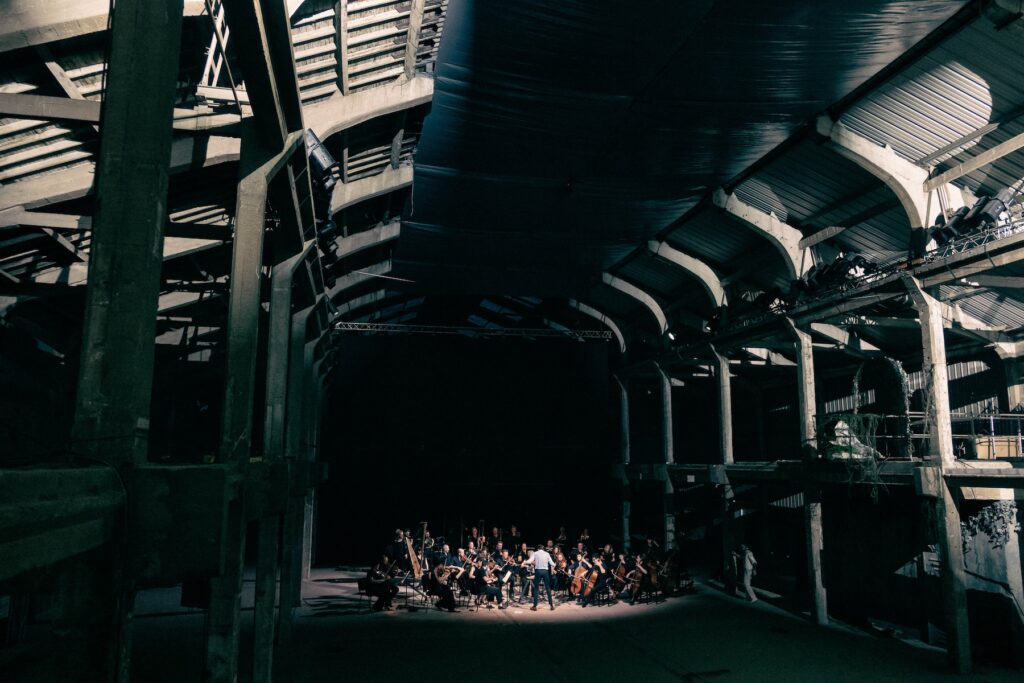
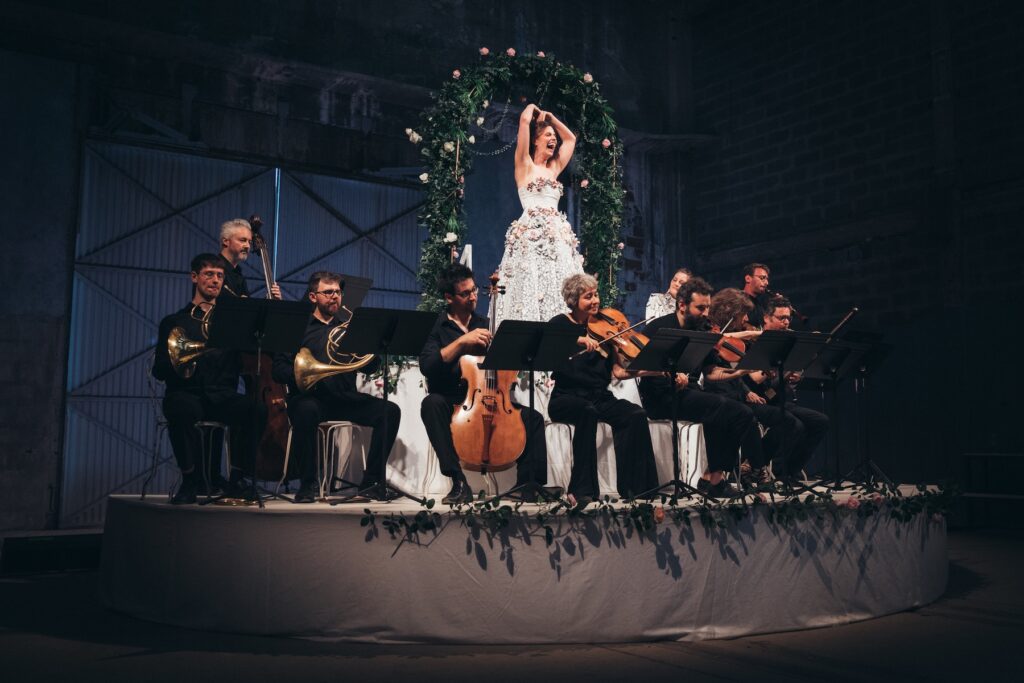
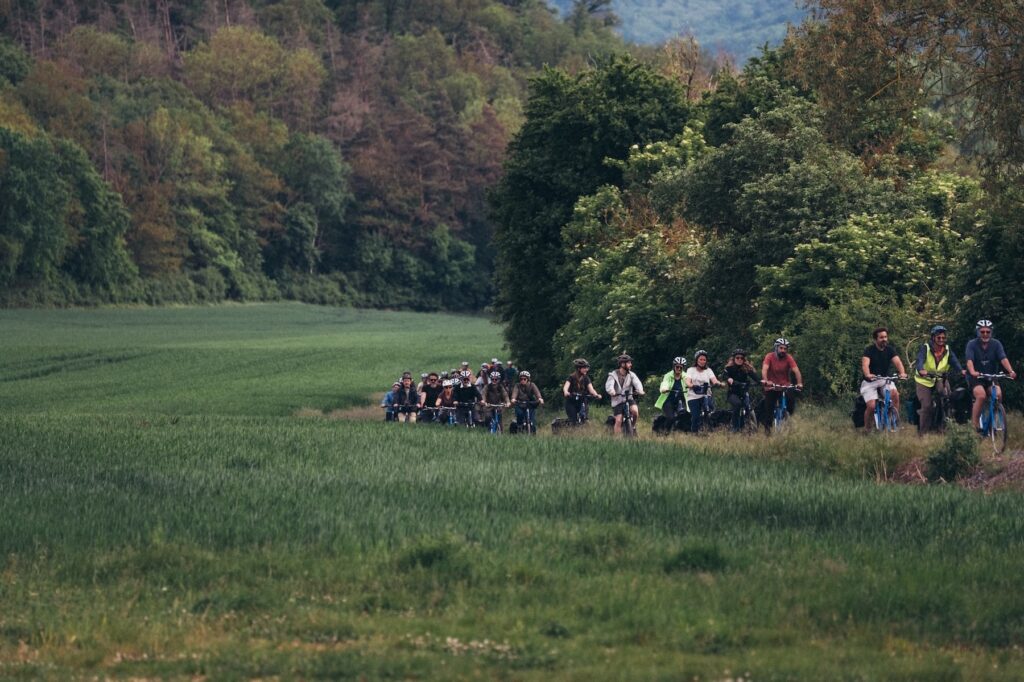
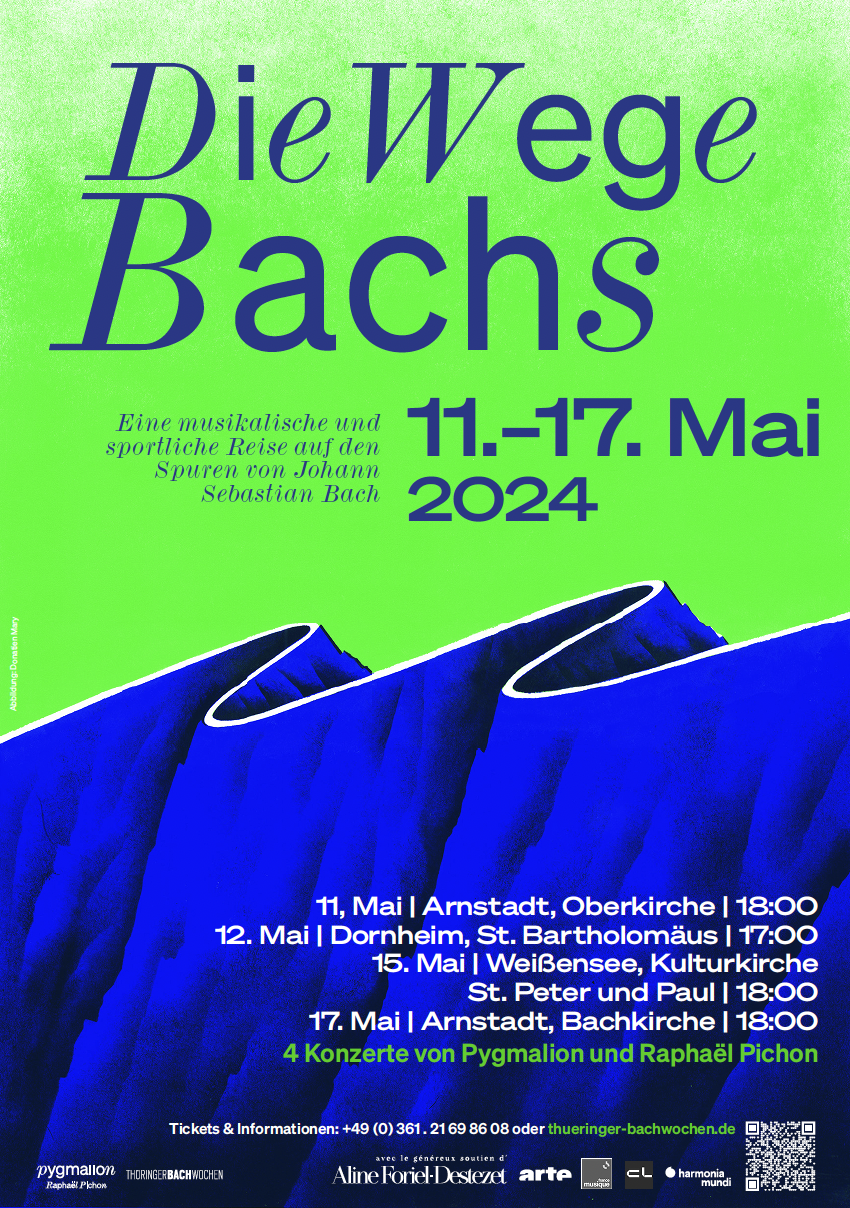
Les Chemins de Bach, a musical odyssey on foot, by bike, and online!
Conceived as an original production of digital, audio, and visual content, in partnership with Arte and France Musique, Pygmalion’s journey along Bach’s paths was a declaration of love for music and one of its greatest geniuses. For Pygmalion, it was also an opportunity to examine the evolution of musical practices and the relationship between the profession of musician and environmental and societal issues.
‘It is as splendid to watch as it is to listen to. Nothing escapes us thanks to Raphaël Pichon’s fervent, inspired conducting.’ (Télérama, Sophie Bourdais, 2025)
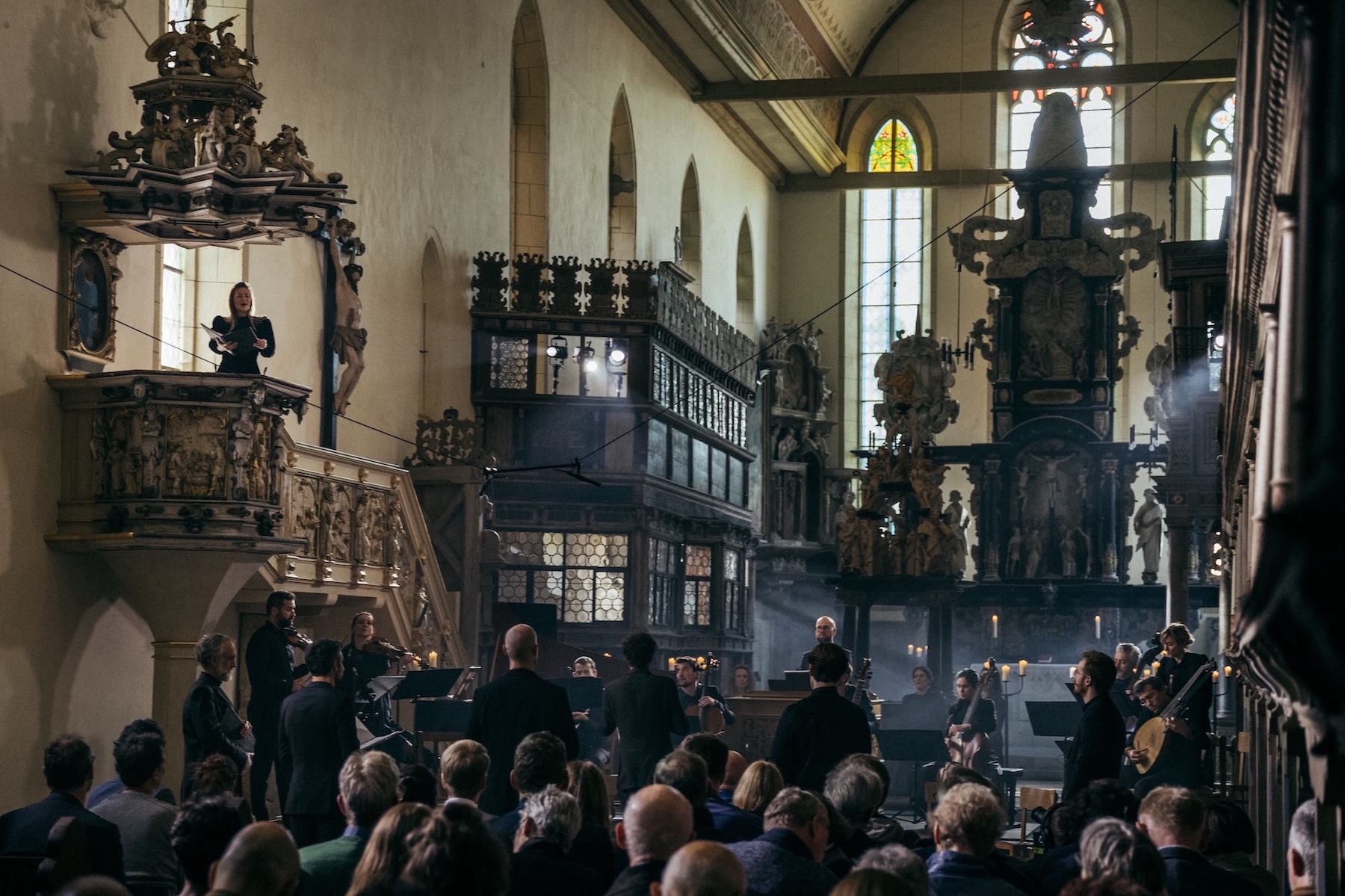
In search of Bach, a musical odyssey on foot, by bike, and online!
In 1705, Johann Sebastian Bach was twenty years old. A young choirmaster from a modest background, he wanted to perfect his musical education. Unable to make the grand journey to Italy he dreamt of, he decided to leave his town of Arnstadt in the heart of Germany and travel to Lübeck on the North Sea coast to meet the great composer Dietrich Buxtehude, the undisputed master of his time. He set off on a journey of more than 400 kilometres on foot, following an ancient Roman road.
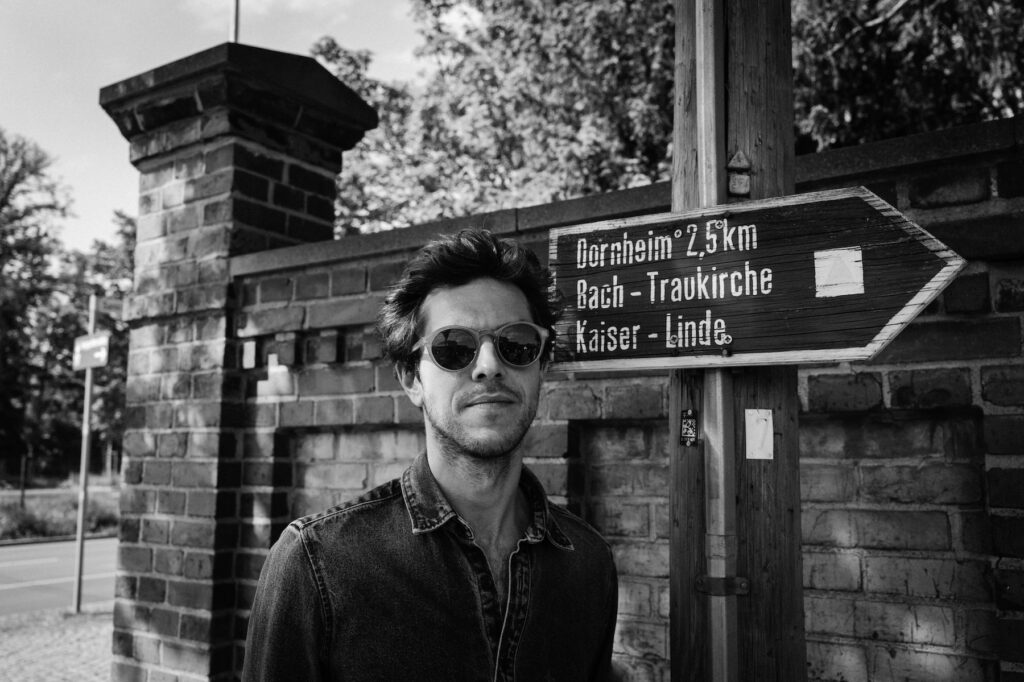
For its twentieth anniversary, Pygmalion embarked on its own musical journey, the first stage of which took it to Thuringia. The ensemble set off in the footsteps of the composer, to the sources of his music, on foot and by bicycle. Music inhabits exceptional places! We were thrilled to be in Arnstadt, in the Bachkirche where the young Bach held the position of organist, and in the Oberkirche, the church of his ancestors. Music also filled the Saint Bartholomäus Church in Dornheim, where Bach was married in 1707, and the Saints Peter and Paul Church in Weissensee, with a programme dedicated to Bach’s great cousin, Johann Michael Bach.